
24/7 Customer Support

Free returns

Same-day & Next-day Delivery

Quality Guaranteed

Unlock Your Welcome Offers: FREE Delivery | Up to 80% OFF | Free 30-day JoyPlus trial
Download the APP
Buying home fitness equipment can make exercise more convenient, but the wrong product may end up unused in a cupboard. UK homes often have limited storage, neighbours may be sensitive to noise and equipment needs to suit both the available space and the person using it.
Whether you need dumbbells, a yoga mat, a skipping rope, Pilates equipment or cardio workout equipment, focus on practical specifications rather than attractive claims. The following checks can help you avoid common buying mistakes.
A product may look compact in a listing photo but require considerably more room during use. A skipping rope needs overhead clearance and a safe landing area, while an exercise ball requires enough surrounding space to prevent contact with furniture or walls.
Before ordering, measure:
Words such as “professional”, “smart” or “premium” do not explain whether equipment is suitable for your routine. Check measurable details instead, including weight, dimensions, materials, adjustable settings, battery duration and included accessories.
For example, a tennis ball machine with app control may be useful, but ball capacity, portability and power options are more important if you regularly practise at different courts.
Equipment that moves, slips or becomes uncomfortable is less likely to be used consistently. A textured yoga mat, shaped dumbbell handle or non-slip exercise ball can make a noticeable difference to handling.
Also check cleaning and storage requirements. PVC mats and ropes can usually be wiped clean, while leather components may need different care. Always inspect moving parts, handles, ropes and inflatable equipment before use and stop using any item that shows damage.
For strength training equipment, select a resistance level that matches your ability and planned exercises. Fixed dumbbells are straightforward for home workouts, but a pair of 5 kg weights may be more suitable for some movements than others. Do not assume that a heavier weight is automatically more useful.
For an exercise ball, check the stated diameter and maximum user weight. A 65 cm ball, for example, may suit many adults, but height, posture and intended movement should also be considered. Inflate it gradually and follow the manufacturer’s instructions rather than relying on appearance alone.
Material affects grip, comfort, cleaning and expected wear:
For products used on the floor, check whether the surface is level and non-slip. A separate protective mat may help reduce marking or noise, subject to the flooring manufacturer’s guidance.
A 3 mm yoga mat measuring 68 inches by 24 inches offers a relatively slim, portable format for yoga, Pilates and floor workouts. It may be convenient to roll away after use, although users wanting more cushioning should compare thickness carefully.
For cardio workout equipment, consider noise and movement. A skipping rope is easy to store, but needs a clear area. A tennis robot may need transport between home storage and a court, so weight, battery arrangements and ball capacity are practical considerations.
When buying electrical or connected equipment, review the supplied instructions, charger requirements, warranty terms and any stated UK conformity information. These details should come from the product listing or manufacturer rather than assumptions based on appearance.
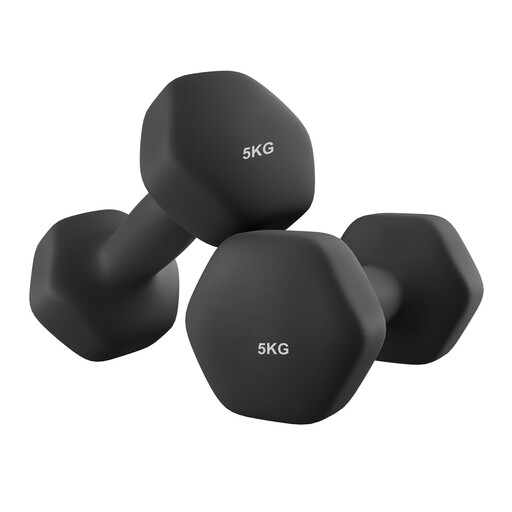
Why This Fits Their Persona: A pair of fixed weights gives beginners a simple way to add resistance to home strength and cardio routines without buying a large multi-weight rack.
The solid iron core and hexagonal ends provide a defined weight and help the dumbbells stay stationary when placed down. The neoprene finish is designed for a secure, comfortable grip.
Includes two 5 kg dumbbells; neoprene coating; compact 21 x 10.5 cm product dimensions. The listing notes a possible 3% weight discrepancy.
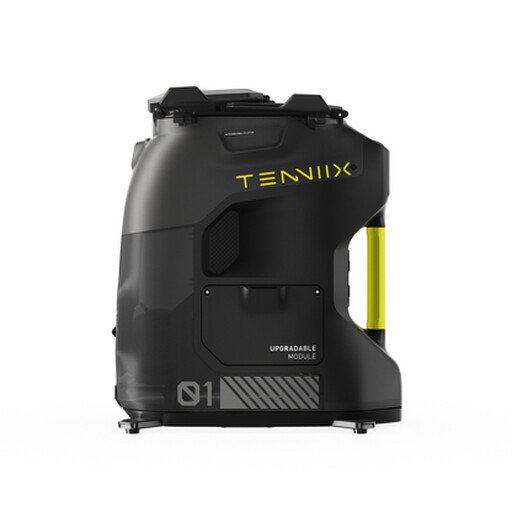
Why This Fits Their Persona: Tennis players wanting structured solo practice can adjust drills and use the machine at suitable courts, subject to venue permission and available space.
Instead of relying on a vague “smart” label, the listing specifies adjustable speed, spin and trajectory, plus app and voice control functions.
Holds more than 100 balls; weighs 18.7 lb; offers around four hours of playtime and a swappable battery according to the listing.
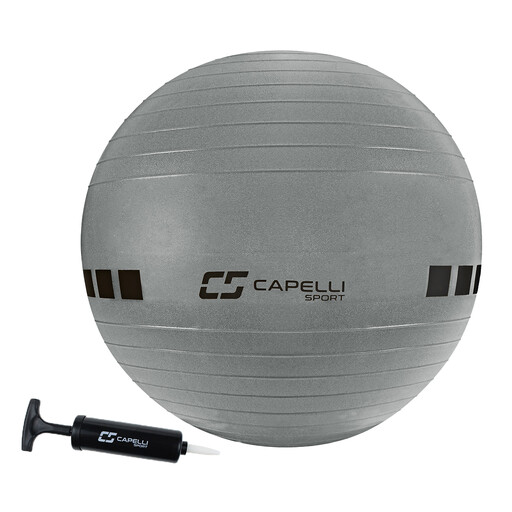
Why This Fits Their Persona: Users seeking one piece of Pilates equipment for balance, core work, stretching or seated use may value its multiple stated applications. Consult a qualified professional for rehabilitation or pregnancy-specific exercise guidance.
The listing provides a stated size range, weight capacity and anti-burst construction rather than leaving suitability unclear. Avoid over-inflation and check the ball before each session.
65 cm diameter; non-slip PVC surface; supplied foot pump; available in 55 cm, 65 cm and 75 cm sizes, with a stated capacity of up to approximately 150 kg.
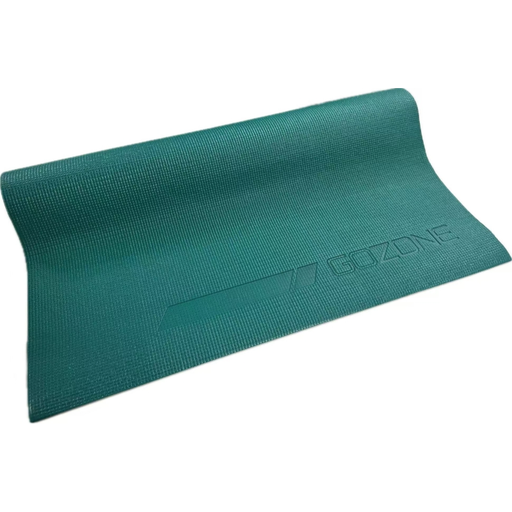
Why This Fits Their Persona: A slim, wipe-clean mat is a practical starting point for floor exercises, yoga, Pilates and basic mobility sessions at home or in the gym.
Its stated 3 mm thickness and 68 x 24 inch dimensions make the size easier to judge before purchase, while the embossed surface is intended to support stability.
PVC construction; embossed cushioned surface; suitable for yoga, Pilates, ab exercises and floor workouts; designed for easy everyday cleaning.
We have compiled a complete, real-time list of products that fully satisfy these strict selection criteria and UK safety regulations.
Start with equipment that supports the type of exercise you are most likely to repeat. A yoga mat can cover floor-based routines, while a fixed pair of dumbbells can add resistance without complicated setup. A skipping rope is useful if you have sufficient clearance and a suitable non-slip surface.
Allow more space than the equipment’s stored dimensions suggest. You need room to move safely, extend your arms and avoid nearby furniture. For skipping, check overhead clearance and the rope’s full rotation. For an exercise ball, leave space around the ball and avoid sharp edges.
Follow the care instructions, clean sweat and dust from surfaces, store equipment away from direct sunlight and keep PVC items away from sharp objects. Place dumbbells down gently rather than dropping them and inspect ropes, handles, mats and inflatable products regularly for damage.