
24/7 Customer Support

Free returns

Same-day & Next-day Delivery

Quality Guaranteed

Unlock Your Welcome Offers: FREE Delivery | Up to 80% OFF | Free 30-day JoyPlus trial
Download the APP
By Joybuy Product Recommendation Officer
A home workout can begin with good intentions and end with unused equipment taking up valuable cupboard space. The problem is often not motivation; it is buying equipment that does not match your routine, room, fitness level or safety needs.
Before choosing home fitness equipment, watch for three common shopping traps:
The right purchase should support the activities you actually perform, whether that means short home workouts, yoga, Pilates, rehabilitation exercise, balance training or portable strength sessions.
For resistance bands, check whether the product uses natural latex, TPE or synthetic rubber. Latex generally offers high elasticity, but it may not suit people with latex sensitivity. TPE options can be a practical alternative, although the product listing should still be checked for stretch limits and maintenance instructions.
Resistance also needs to match your intended use:
Inspect bands before each use. Do not use a band with cracks, tears or fraying, and avoid overstretching or allowing it to snap towards the body.
An exercise ball, yoga ball or stability ball should be selected according to height and intended use. Common sizes include 55 cm, 65 cm and 75 cm. A ball used for core training may require a different size from one used as an office chair, so check the seller’s sizing guidance rather than choosing by appearance alone.
Also check the stated maximum weight capacity. A listed capacity of up to 330 lb, or approximately 150 kg, does not remove the need to inflate the ball correctly and use it on a clear, non-slip surface.
For resistance tubes with handles, a 120 cm length provides room for movements such as rows, curls and shoulder presses. However, the handles must be held securely, and the tube should remain away from the face and eyes.
Useful home fitness equipment should be easy to inspect and maintain. Look for:
If you are pregnant, recovering from an injury or using physical therapy equipment, seek appropriate advice before starting a new exercise programme. Equipment can support a routine, but it should not replace personalised guidance from a qualified healthcare professional.
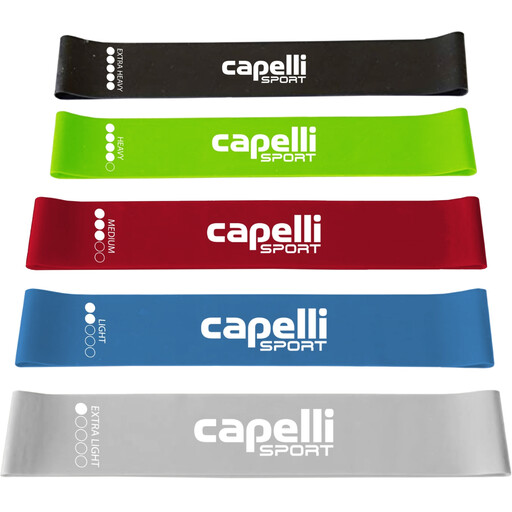
Why This Fits Their Persona: Five resistance levels offer a simple starting point for home workouts, yoga, Pilates and leg-focused training without bulky equipment or complicated setup.
The colour-coded levels avoid relying on one fixed resistance, while the 60 cm circumference and compact format make storage straightforward.
Five latex bands, a 5 cm width and a portable carry bag support varied routines indoors or outdoors.
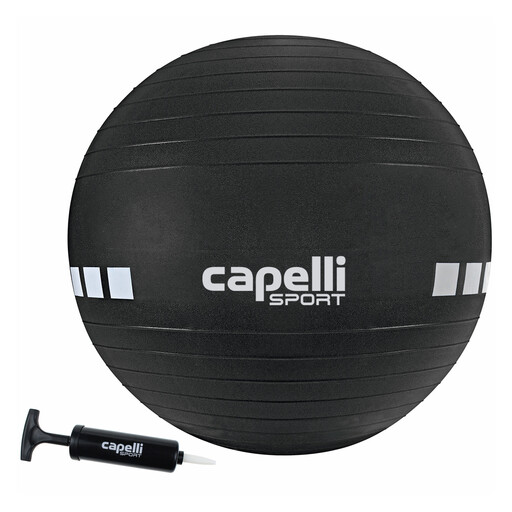
Why This Fits Their Persona: Users wanting one adaptable piece of Pilates equipment for balance, stretching, core work and home-office sitting can select from three size options.
The listing states the material, anti-slip and anti-burst features, available diameters and maximum supported weight.
Includes a foot pump; PVC construction and a stated capacity of up to 330 lb support regular home use when correctly inflated.
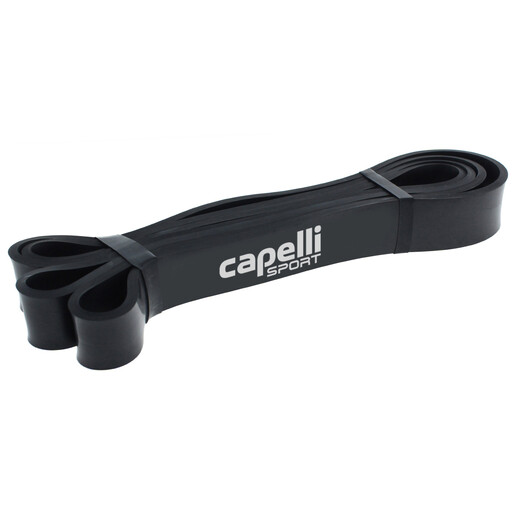
Why This Fits Their Persona: A 40–50 lb band suits experienced users seeking pull-up assist bands, muscle training and stronger stretching work at home or in the gym.
Its stated latex material, 2.8 cm width, 208 cm circumference and resistance range provide more useful buying information than a generic “heavy duty” label.
Natural latex construction and a long loop format allow use for assisted pull-ups, resistance training and body stretching.
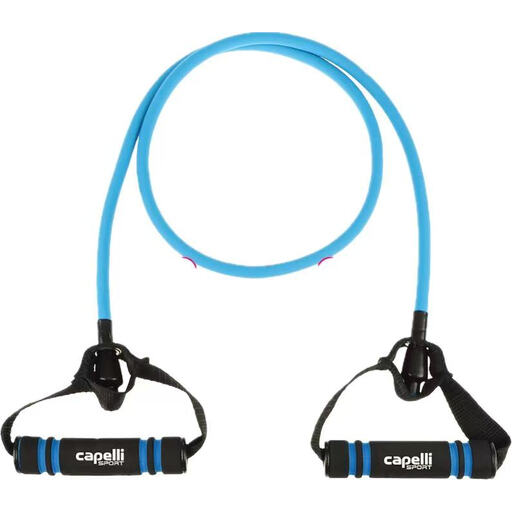
Why This Fits Their Persona: Foam handles and a 120 cm tube suit busy users who want to train arms, shoulders, legs or core at home, in the office or while travelling.
The medium resistance, tube length and handle design are clearly stated, helping buyers compare function rather than relying on lifestyle imagery.
Natural latex, foam sure-grip handles and a security strap support controlled resistance exercises.
We have compiled a complete, real-time list of products that fully satisfy these strict selection criteria and UK safety regulations.
Start with one or two items that match your routine instead of buying a complete collection immediately. A set of resistance bands can cover warm-ups, Pilates and strength work, while an anti-burst exercise ball adds balance and core exercises if you have enough floor space.
Keep a clear area around the equipment. Hardwood, laminate and tiled floors may become slippery, so use a suitable exercise mat where appropriate. Store latex bands flat or loosely coiled, away from heat and sunlight. Exercise balls should be checked regularly for punctures, surface damage and changes in firmness.
For physical therapy or rehabilitation exercise bands, follow the resistance level and movement guidance provided by your healthcare professional. Pregnancy-related exercise should also be adapted to individual circumstances, with medical guidance where needed.
Resistance bands, pull-up assist bands and compact fitness accessories require little storage space and can be used without large machines. A mini loop set is particularly portable, while a full-length band offers a wider range of upper- and lower-body movements.
Lifespan depends on frequency of use, stretching range, storage and exposure to heat or sunlight. Inspect bands before every session and replace them at the first sign of cracking, thinning or fraying. Avoid storing them near radiators, windows or sharp equipment.
Most bands, exercise balls and Pilates equipment require no electricity. Running costs are therefore limited to occasional replacement, cleaning supplies and, for exercise balls, inflation using the included or a compatible pump. This makes manual equipment suitable for low-overhead home workouts.