
24/7 Customer Support

Free returns

Same-day & Next-day Delivery

Quality Guaranteed

Unlock Your Welcome Offers: FREE Delivery | Up to 80% OFF | Free 30-day JoyPlus trial
Download the APP
Creating a home workout space can be more affordable than a gym membership, but choosing unsuitable products can quickly waste money. The right home fitness equipment should suit your available space, training style and expected frequency of use—not simply look impressive in a product photograph.
Three common buying traps are worth avoiding:
For resistance bands and glute bands, inspect the material and construction. Fabric loop bands can offer a different feel from latex or rubber bands, particularly during squats, lateral steps and hip exercises. A non-slip inner surface or textured fabric may help reduce rolling, but fit and exercise technique still affect stability.
A set with several resistance levels is useful when more than one person will use it, or when you want to progress gradually. Resistance labels such as light, medium and heavy are not universal measurements, so avoid comparing them directly across different manufacturers unless a force rating is provided.
For other non-slip workout equipment, look for a clearly described surface texture and follow the supplied safety instructions. Inspect bands, straps and fastenings before each session, especially if they are used frequently.
Measure the area where you plan to exercise before ordering. A standard yoga mat measuring approximately 68 inches by 24 inches provides a defined surface for yoga, Pilates and floor exercises, but taller users may prefer additional length.
For interlocking gym flooring tiles, calculate the total coverage rather than focusing only on the number of pieces. Six tiles measuring 60 x 60 cm cover approximately 24 square feet. This can work beneath a bench, exercise station or compact workout zone, but it may not cover an entire room.
Leave enough clearance around your mat or equipment for arms, legs and moving parts. Place flooring on a flat, dry surface, and avoid positioning foam tiles near open flames or high-temperature sources.
Women’s activewear, men’s training shoes and general gym clothing should allow unrestricted movement without creating loose sections that can catch on equipment. For leggings and trousers, check the waistband, seam placement, opacity and pocket design. For tops or jackets, consider whether a full zip, breathable fabric or layered fit suits the room temperature and activity.
Training shoes should match the activity. A casual trainer may be suitable for everyday walking, but running, lifting and high-impact exercise can require different levels of grip, cushioning and stability. Check the manufacturer’s size chart against your foot measurement and allow sufficient room for natural movement.
UK buyers should also look for clear product information, safety warnings, care instructions and seller details. Products supplied to consumers should be safe when used as intended; following the instructions and selecting the correct size remain important.
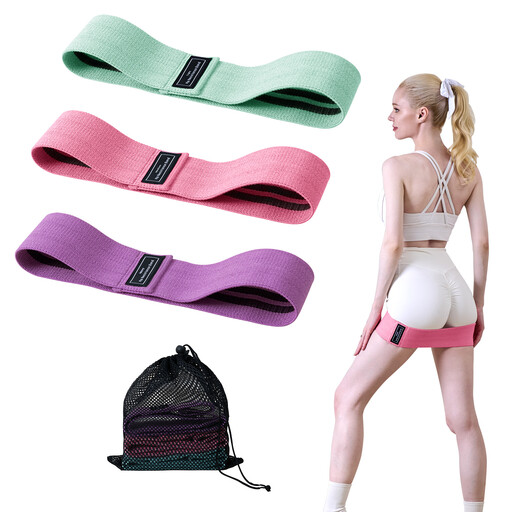
Why This Fits Their Persona: A compact option for people starting strength, Pilates or lower-body sessions in a flat, bedroom or shared home space. The set includes three fabric loop bands with light, medium and heavy resistance levels.
The three resistance choices make it easier to select a suitable starting level instead of relying on one fixed band. The fabric construction is described as non-slip, although users should still check fit and condition before exercise.
Three fabric loop bands, storage bag included and no installation required. Suitable for home fitness, yoga, Pilates and lower-body exercises.
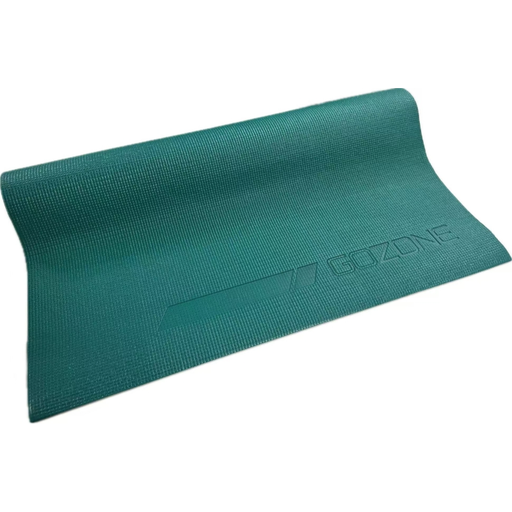
Why This Fits Their Persona: A straightforward surface for buyers who value easy cleaning and a defined training area for yoga, Pilates, stretching and floor workouts.
Its stated dimensions and 3 mm thickness make the purchase easier to assess before ordering. The embossed surface is designed to provide grip, but the mat should be placed on a clean, dry floor.
PVC construction, 68 x 24-inch size and wipe-clean surface. Suitable for several low-equipment activities.
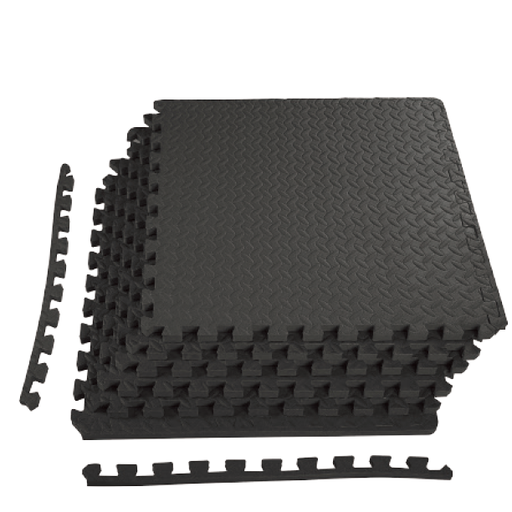
Why This Fits Their Persona: Suitable for people using weights, benches or repeated floor movements who want to protect a designated section of flooring in a home gym.
The 1.2 cm thickness and 24 square feet of stated coverage give a clearer basis for planning. Interlocking pieces can be assembled or removed as your space changes.
PE foam tiles with a wipe-clean surface, interlocking design and stated cushioning for workout areas and equipment.
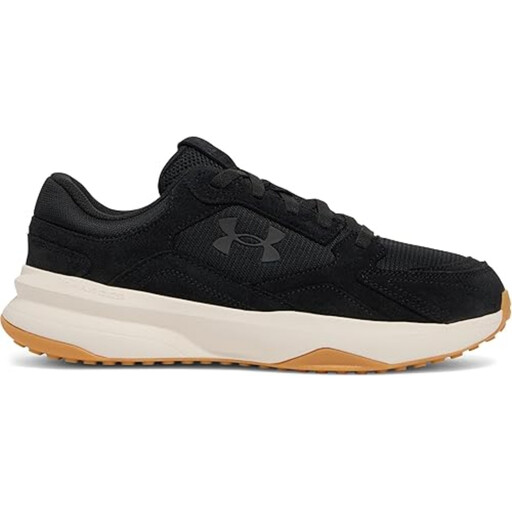
Why This Fits Their Persona: A practical choice for buyers wanting men’s training shoes that can move between everyday wear and lighter training sessions.
The listed UK size and foot-length measurements support a more informed fit check. The product information also specifies care for the suede and mesh upper, rather than suggesting machine washing.
Suede-and-mesh upper, lightweight sole and rubber outsole. Check suitability carefully before using for high-impact or specialised training.
We have compiled a complete, real-time list of products that fully satisfy these strict selection criteria and UK safety regulations.
Start with the items that solve your immediate training needs. A yoga mat and home gym accessories may be sufficient for stretching and bodyweight work, while resistance bands add progressive challenge without requiring a large storage area. If you use heavier equipment, place interlocking gym flooring tiles beneath the relevant zone rather than covering unused floor space.
Clothing should be comfortable, washable and suitable for the activity. Moisture-wicking women’s activewear or breathable gym clothing can be useful for warmer sessions, while supportive footwear should be selected according to movement, surface and impact level.
Yes, if you prioritise compact, multi-use items. Resistance bands, a yoga mat and a small set of home gym accessories can support strength, Pilates, mobility and floor workouts while fitting into a cupboard or storage bag.
Lifespan depends on frequency, storage, cleaning and loading. Inspect bands for stretching, fraying or cracks, check mats and flooring for splits, and replace any item that no longer stays stable. Keeping equipment dry and away from heat can help preserve materials.
Many basic products, including resistance bands, mats, flooring and training clothing, use no electricity. Powered equipment such as treadmills, bikes and cross trainers will add to household consumption, so check the product’s wattage and estimated running time before purchase.