
24/7 Customer Support

Free returns

Same-day & Next-day Delivery

Quality Guaranteed

Unlock Your Welcome Offers: FREE Delivery | Up to 80% OFF | Free 30-day JoyPlus trial
Download the APP
Buying home fitness equipment can seem straightforward until a resistance band rolls up mid-squat, an exercise ball is the wrong size or a massage tool feels too aggressive to use comfortably. Marketing often focuses on colour, resistance labels and broad claims about “full-body” workouts, while the details that affect everyday use receive less attention.
Before choosing equipment, watch for these common buying pitfalls:
For general strength training, resistance bands with handles provide a grip suited to curls, rows, presses and triceps exercises. Flat resistance bands are more adaptable for stretching, Pilates and physiotherapy-style movements, while mini loop bands are convenient for glute and leg workout equipment routines.
A set with light, medium and heavy levels allows progression without immediately purchasing several individual products. However, resistance still depends on how far the band is stretched and how it is anchored. Keep movements controlled rather than forcing the band to its maximum length.
For pull-up assistance, a long pull-up assist band or power band needs enough circumference and width for the intended exercise. Check the listed dimensions, not just the colour or resistance name.
Common materials include:
Inspect bands before every session for cracks, tears, fraying or weakened areas. Store them away from direct sunlight, excessive heat and sharp equipment. These simple habits can help reduce avoidable wear, although no flexible material lasts indefinitely.
For stability balls, diameter is more important than appearance. The available 55 cm, 65 cm and 75 cm options should be matched with your height, intended exercise and desk setup. When sitting on a ball, your feet should rest securely on the floor and your knees should remain in a comfortable position.
For massage tools, size affects portability and handling. A massage roller stick is useful when you want to control pressure with both hands, while massage balls can target smaller areas. Avoid using either type over bruised, inflamed or injured areas, and stop if the movement causes pain.
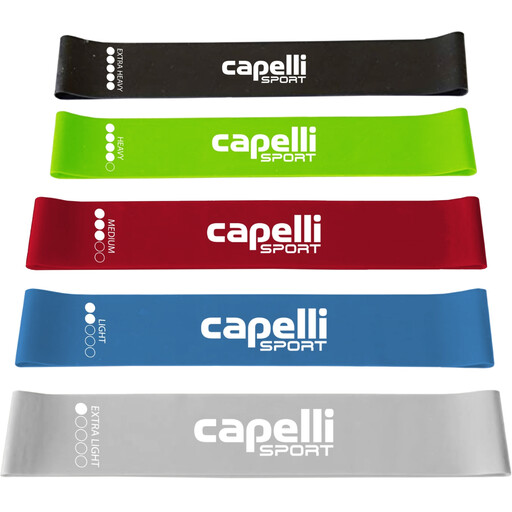
Why This Fits Their Persona: Five resistance levels give beginners room to build a simple home routine covering warm-ups, legs, glutes, yoga and Pilates without bulky equipment.
The set identifies five resistance levels rather than relying on one vague strength label. Its 5 cm width and 60 cm circumference are clearly specified.
Five colour-coded levels; includes a portable carry bag; latex construction is suitable for compact leg and glute routines.
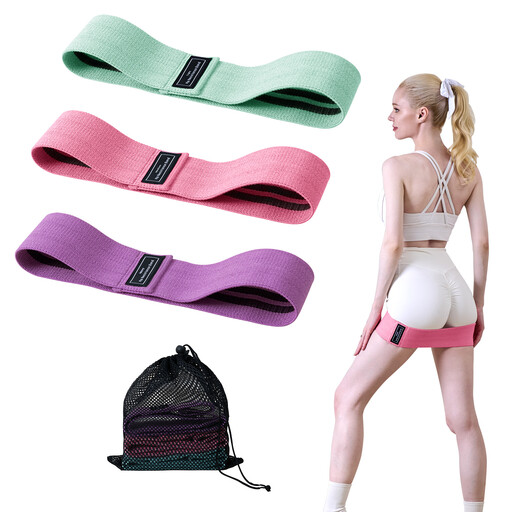
Why This Fits Their Persona: Users wanting a more stable, fabric-feel loop for squats, Pilates or home leg sessions may prefer this three-band set.
The cotton fabric construction and non-slip design address the common problem of loops rolling or moving during lower-body exercises.
Three light, medium and heavy fabric loops; supplied with a storage bag; listed dimensions are 38 x 8 cm.
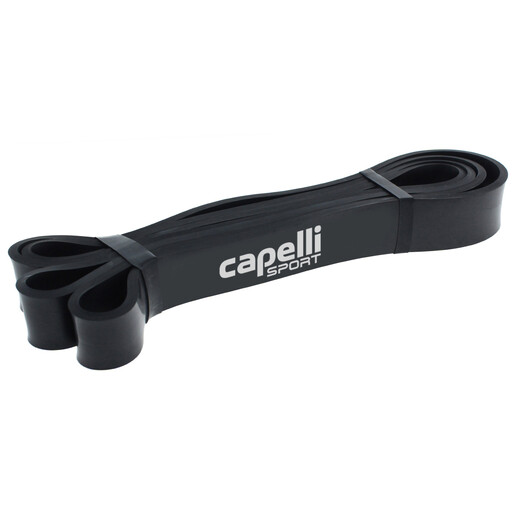
Why This Fits Their Persona: People requiring a long band for stretching, muscle training or pull-up assistance can use its 208 cm circumference across a wider range of movements.
The width, thickness and stated 40–50 lb resistance range provide more useful information than a colour-only strength description.
Made from natural latex; 2.8 cm width; suitable for stretching, strength training and pull-up assistance.
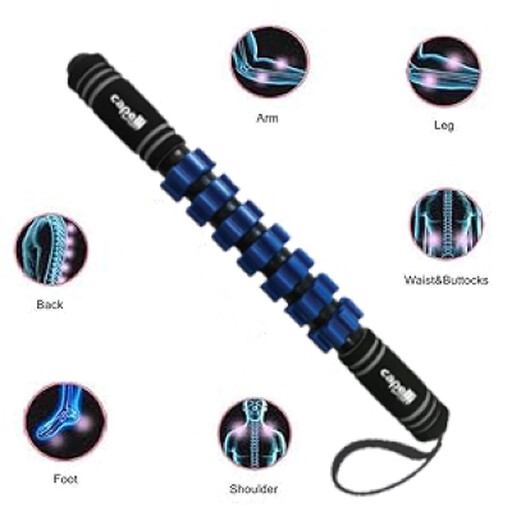
Why This Fits Their Persona: A compact option for office workers, gym users and people adding muscle recovery tools to a home fitness routine.
Its dual grips let you control pressure directly, rather than relying on a motor or fixed intensity that may not suit every user.
17.7-inch length; textured TPR grips; foam roller surface with elastic bumps and a solid steel rod core.
We have compiled a complete, real-time list of products that fully satisfy these strict selection criteria and UK safety regulations.
Start with equipment that supports several movements without requiring much space. A three-level resistance band set or mini loop set can cover warm-ups, basic strength training, Pilates and glute work. Add an exercise ball if you have enough floor space and can match its diameter to your height.
Wipe them with a damp cloth when necessary, allow them to dry fully and store them in a cool place away from sunlight, heat and sharp objects. Check for tears, cracks or fraying before every use. Do not use a damaged band or stretch it beyond its recommended range.
Some resistance bands, stability balls and massage tools are listed for physiotherapy or rehabilitation use, but suitability depends on the individual condition and exercise plan. Anyone recovering from injury or surgery, pregnant users or people with a medical condition should seek appropriate professional guidance before starting a new routine.