
24/7 Customer Support

Free returns

Same-day & Next-day Delivery

Quality Guaranteed

Unlock Your Welcome Offers: FREE Delivery | Up to 80% OFF | Free 30-day JoyPlus trial
Download the APP
Limited space, unpredictable weather and busy working days make home fitness equipment an appealing alternative to a commercial gym. However, choosing the right product requires more than comparing discounts or counting features. A compact design may still be awkward to store, while a resistance system may look versatile without offering enough adjustment for your routine.
This guide explains the main buying pitfalls, the specifications worth checking and which type of equipment may suit different UK households.
A product can be narrow yet difficult to move, lift or store beneath furniture. Check the full dimensions rather than relying on phrases such as “space-saving”. For example, a treadmill measuring 120 cm x 50 cm x 10.5 cm may fit under a standing desk, but you should still measure the clearance, storage route and available walking area around it.
For Pilates equipment, look at both the folded and in-use footprint. A foldable Pilates board can save floor space, but only if it can be folded safely and stored without damaging its resistance bands or moving parts.
A stated capacity is an important specification, not a guarantee that every user will find the equipment suitable. Compare your weight with the manufacturer’s maximum and allow room for clothing, footwear and normal movement. A 130 kg weight capacity treadmill should not be used above its stated limit.
Also check whether the floor is level and stable. Treadmills and resistance equipment should not be placed where the belt, board or frame can shift during use.
A phone holder, timer or resistance adjustment can be useful, but only when it supports how you intend to exercise. Someone taking short walking breaks between video calls may need an under-desk walking treadmill, while a beginner looking for controlled strengthening may prefer Pilates resistance bands and an adjustable board.
Before purchasing, decide whether your priority is walking, Pilates, strength training, weight management or low-impact cardio. This makes it easier to ignore features that add complexity without improving regular use.
Measure the product area and the surrounding clearance. For a home walking machine, consider:
For Pilates reformer board equipment, check the board length, width and whether the resistance components can be stored without bending or tangling.
Pilates equipment should provide clearly described resistance settings or attachment positions. An adjustable resistance workout system can support gradual progression, but the adjustment method should be straightforward and secure.
Inspect whether the product includes resistance bands, straps, a timer or a phone holder. These are practical features, but they should not replace checking the board’s dimensions, stability and instructions. If you are returning to exercise after an injury or have a health condition, seek appropriate professional guidance before starting a new routine.
For a treadmill, confirm the maximum user capacity, belt dimensions, speed controls and maintenance instructions. The supplied product information for the Lichico model states a steel frame, rubber running belt and a maximum capacity of 130 kg. It also recommends keeping the belt clean, lubricating it as instructed and checking belt alignment and tension.
Running costs depend on factors such as motor power, speed, session length and electricity tariffs. If energy use is important, look for the rated wattage or ask the seller before purchase; a compact design alone does not reveal how much electricity the machine uses.
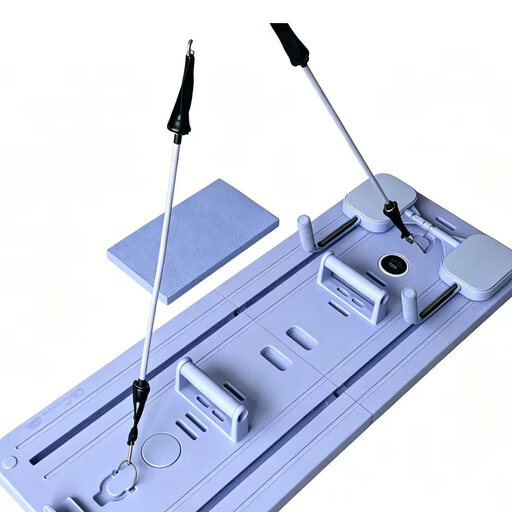
Why This Fits Their Persona: This compact Pilates reformer board is suited to starters who want one piece of home gym equipment for resistance-based sessions without dedicating a room to a larger setup. Its listed dimensions are 42 inches by 16 inches by 1.5 inches.
The adjustable resistance system allows users to select a more manageable starting level rather than relying on one fixed resistance setting.
Foldable format; includes multi-function resistance bands, a smart timer and a phone holder.
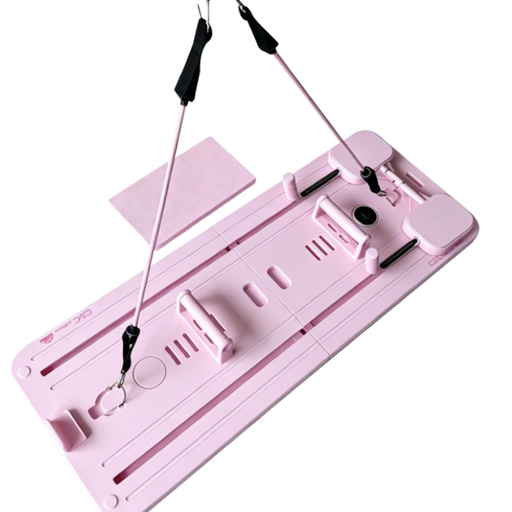
Why This Fits Their Persona: Users prioritising a fuller feature set may appreciate the adjustable resistance arrangement and integrated accessories for structured sessions at home.
The listing identifies specific features rather than relying only on general full-body training language: resistance adjustment, a timer and phone holder.
Compact 42-inch board length; resistance bands support multiple exercise variations.
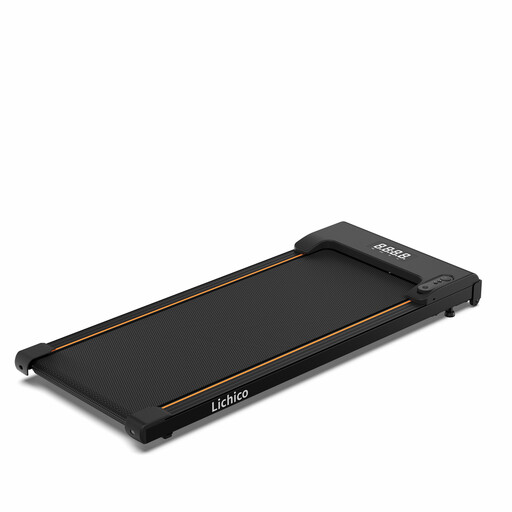
Why This Fits Their Persona: This under-desk walking treadmill is designed for home offices, study areas and standing desks. It may suit users who want regular walking breaks, light cardio or daily step sessions indoors.
The listing provides exact dimensions and a stated 130 kg maximum capacity, helping buyers check fit and suitability before ordering.
Steel frame and rubber belt; 120 cm x 50 cm x 10.5 cm under-desk format.
We have compiled a complete, real-time list of products that fully satisfy these strict selection criteria and UK safety regulations.
Before using any home fitness equipment:
Many compact products are designed for indoor use, but noise, vibration and floor stability still matter. An under-desk walking treadmill may be more practical than a full-size running machine in a flat, provided there is enough clearance and the flooring is suitable. Check the product instructions and consider neighbours when choosing session times.
Lifespan depends on usage frequency, user weight, belt care, storage conditions and maintenance. Regularly cleaning the belt, checking alignment and following lubrication guidance can help maintain operation. Avoid exceeding the stated 130 kg capacity or storing the machine where moisture can affect electronic components.
Walking treadmills, Pilates boards and resistance bands can all support lower-impact routines, but they suit different movements. A treadmill focuses on walking, while a Pilates reformer board provides resistance-based exercises. Choose according to your intended activity, available room and any guidance you have received from a qualified healthcare professional.