
24/7 Customer Support

Free returns

Same-day & Next-day Delivery

Quality Guaranteed

Unlock Your Welcome Offers: FREE Delivery | Up to 80% OFF | Free 30-day JoyPlus trial
Download the APP
Setting up a workout space at home sounds like a brilliant idea. No monthly fees, no commuting and no waiting for equipment. Yet, the path to creating a functional home gym is often paved with purchases that end up gathering dust. Many find themselves with bulky, impractical gear that doesn't fit their space or their fitness goals.
As the Joybuy Product Recommendation Officer, my role is to help you navigate the market and make informed choices. Before you add anything to your basket, let's look at the common pitfalls that lead to buyer's remorse and how you can avoid them.
adjustable weight bench can be surprisingly long, and a set of weights without a storage solution can quickly create clutter and a tripping hazard. In many UK homes, space is at a premium, and storage is a non-negotiable factor.To ensure your investment in home workout equipment pays off, focus on these essential specifications. They are the difference between gear you'll use for years and gear you'll sell online in a few months.
For any strength training equipment for home, the frame is paramount. Look for products made from heavy-gauge or alloy steel, as this provides superior stability and longevity. Pay close attention to two figures:
For free weights, the core material is typically cast iron. The coating matters for grip and durability. Neoprene is a popular choice as it offers a comfortable, non-slip grip even with sweaty hands and is less likely to chip or damage floors compared to painted or vinyl-coated weights.
To get the most out of a compact space, choose equipment that serves multiple functions. An adjustable weight bench is a cornerstone of versatile full body workout equipment. Check the number of backrest and seat adjustment positions. More angles mean more exercise variety, from flat bench presses to incline curls and seated shoulder presses.
Similarly, a door frame pull up bar should have an adjustable width locking mechanism. This ensures it can be fitted securely into various doorway sizes without the need for screws, making it an ideal solution for renters or anyone wishing to avoid drilling into walls.
We've matched some popular pieces of home gym equipment to different user needs, focusing on how they solve the common problems buyers face.
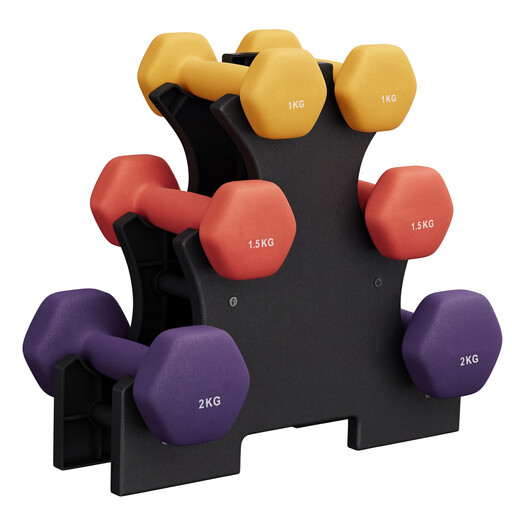
Why This Fits Their Persona: Perfect for those starting their fitness journey in a flat or smaller home. This set provides three different weights (1 kg, 1.5 kg, 2 kg) to allow for progression, without taking up significant floor space.
It directly solves the "Forgetting the Home" trap. The included compact stand provides a dedicated, tidy storage solution, preventing clutter.
The hexagonal shape prevents the dumbbells from rolling away, a crucial safety feature. The neoprene coating ensures a comfortable, non-slip grip.
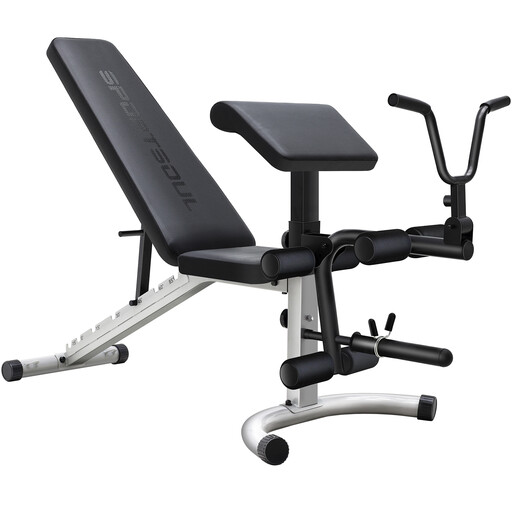
Why This Fits Their Persona: For those serious about lifting, this bench provides the stability and versatility needed for a comprehensive strength programme. It's a foundational piece for building a proper home gym.
It counters the "Unstable & Unsafe" trap with a high-grade alloy steel frame and a substantial 610 lbs dynamic weight capacity, ensuring a secure platform for heavy lifts.
The 7 backrest and 4 preacher pad positions, plus removable leg extension, offer exceptional versatility, replacing the need for multiple separate machines.
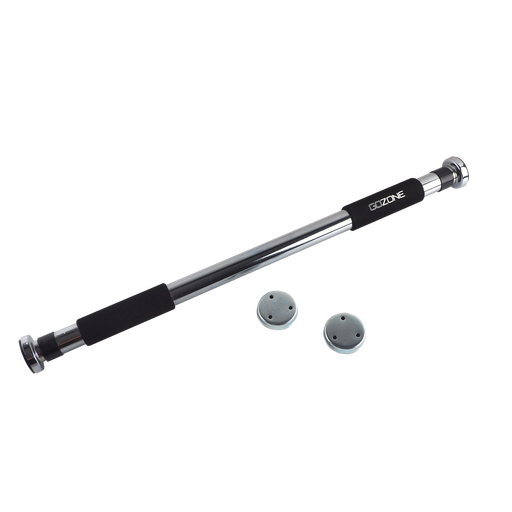
Why This Fits Their Persona: This is an excellent tool for anyone wanting to build upper body and core strength without permanent fixtures. Its no-screw design is perfect for renters or those who don't want to damage their door frames.
This bar avoids the trap of unstable, damaging equipment. The adjustable locking system ensures a secure fit and its portability means it can be stored away easily.
It's highly versatile for its size. Use it for pull-ups and chin-ups in the doorway, or place it on the floor for push-ups, dips and sit-ups.
We have compiled a complete, real-time list of products that fully satisfy these strict selection criteria and UK safety regulations.
1. How much space do I really need for a home gym? You need less space than you think. A corner of a room can be sufficient if you choose your equipment wisely. A yoga mat's footprint (roughly 2 x 6 feet) is a good starting point. This is enough space for bodyweight exercises, dumbbells and resistance bands. For an adjustable bench, you'll want to ensure you have at least 2 feet of clearance around all sides for safe movement. Always measure your available space before purchasing.
2. Is an adjustable weight bench worth it for a beginner? Yes, it can be a very worthwhile investment. While you can start with floor exercises, an adjustable bench provides support and proper posture for a much wider range of exercises, particularly for the chest, back and shoulders. It allows you to target muscles from different angles, which is key for balanced development. A good bench will grow with you as you progress from beginner to more advanced workouts.
3. What's the difference between neoprene and vinyl dumbbells? Both are coatings over a cast iron core. Neoprene has a matte, slightly soft and fabric-like texture that provides excellent grip, especially when your hands get sweaty. It's also durable and less prone to cracking. Vinyl has a smoother, glossier finish. While generally durable, it can become slippery when wet and may be more susceptible to cracking or splitting over time, especially with heavy use or if dropped. For most users, neoprene offers a more secure and comfortable feel.