
24/7 Customer Support

Free returns

Same-day & Next-day Delivery

Quality Guaranteed

Unlock Your Welcome Offers: FREE Delivery | Up to 80% OFF | Free 30-day JoyPlus trial
Download the APP
Creating a useful home workout space does not require a spare room filled with machines. The right home gym equipment can support strength, cardio, mobility and core training while fitting around British homes, shared spaces and busy routines. However, product pages often emphasise impressive-sounding features without explaining whether an item will suit your floor space, ability level or storage needs.
The following guide highlights common buying traps, key specifications to check and suitable options for different home workout profiles.
“Foldable” does not always mean effortless to put away. Check the equipment’s folded dimensions, weight and whether it has transport wheels. A machine that technically folds but is too heavy to move may remain in the middle of the room.
For smaller flats, look for fitness equipment for small spaces with a stated storage footprint, stable folding mechanism and practical carrying or rolling features.
A high number of resistance settings can be useful, but only if the adjustment is smooth and the lowest level is manageable for beginners. For cardio exercise machines, also consider stride length, pedal size, frame stability and noise. For strength training equipment, check whether resistance is appropriate for your intended exercises rather than focusing on a single headline number.
Padding, grip, anti-slip surfaces and knee support directly affect whether you can use equipment consistently. A product may be affordable, but uncomfortable contact points can discourage regular sessions.
Always use equipment on a stable, suitable surface, follow the assembly instructions and inspect moving parts regularly. If you are pregnant, recovering from an injury or managing a medical condition, seek appropriate professional advice before starting a new exercise routine.
Measure the area where you intend to exercise, including clearance around the equipment. An elliptical needs space for movement, while an exercise ball needs room to roll safely. Check product dimensions when assembled and folded, not just the marketing photograph.
For an exercise ball, diameter should match your height and intended use. The Capelli Sport ball is available in 55 cm, 65 cm and 75 cm sizes, with a stated capacity of up to approximately 150 kg. Choose firmness carefully and avoid over-inflation.
For inflatable products, anti-burst PVC and a textured, non-slip finish can provide practical reassurance, although no inflatable item should be used near sharp objects. For Pilates and resistance accessories, inspect the ring or handles for smooth edges and structural flexibility.
With larger machines, steel frames may offer a stable base, while thick sponge padding can improve comfort during floor-based or kneeling exercises. Material information should be clear enough for you to assess durability and cleaning requirements.
Adjustable settings help a product accommodate different fitness levels. An adjustable ab trainer may offer incline and height changes, whereas an elliptical may provide resistance levels for warm-ups and more demanding sessions.
Displays can track time, speed, repetitions or distance, but treat calorie figures as estimates rather than precise measurements. If you live above another household or share walls, a stated noise figure and magnetic resistance system may be more useful than a larger display.
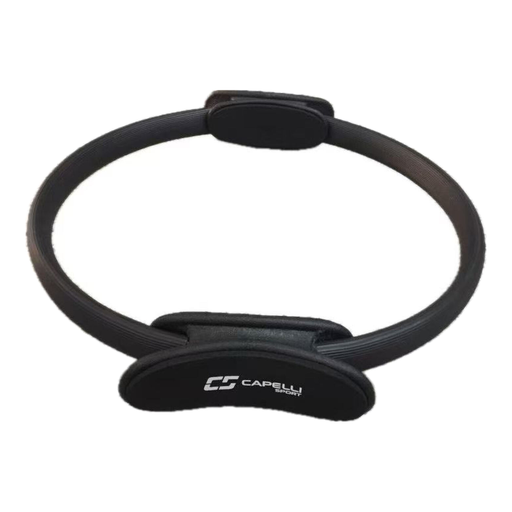
Why This Fits Their Persona: Its compact format suits beginners building a simple home routine, renters with limited storage and users who want a portable Pilates accessory.
It avoids bulky storage demands and has no installation requirements. Its PP and PE construction should still be checked regularly for wear.
Lightweight 40 cm design; suitable for targeted inner-thigh, arm and core resistance exercises.
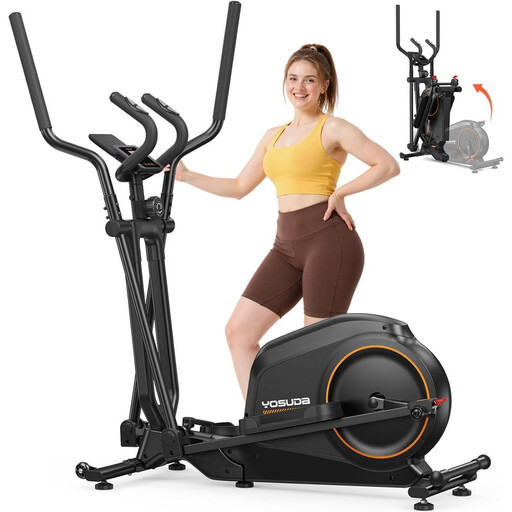
Why This Fits Their Persona: This suits users wanting a dedicated cardio exercise machine with adjustable intensity, data tracking and a storage-conscious design.
Its three-step folding design and transport wheels address the practical problem of moving and storing a full-size machine.
16 resistance levels; stated operation below 20 decibels; LCD display and approximately 0.2 m² folded footprint.
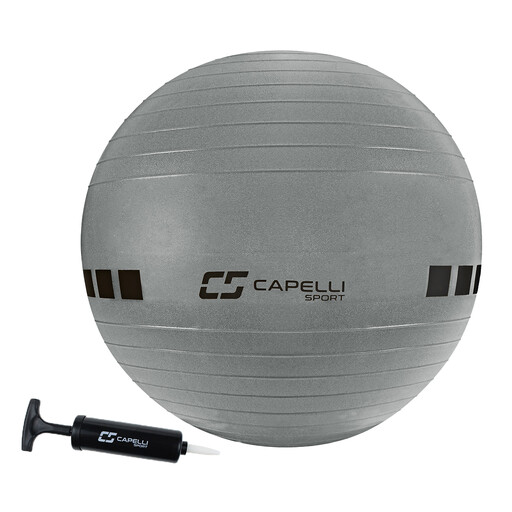
Why This Fits Their Persona: It works for users seeking versatile core workout equipment for Pilates, balance exercises, stretching or supported seating.
The stated anti-burst construction is designed to deflate slowly if punctured. Users must still keep it away from sharp surfaces and avoid over-inflation.
Non-slip surface; included foot pump; available in three diameters for different heights and uses.
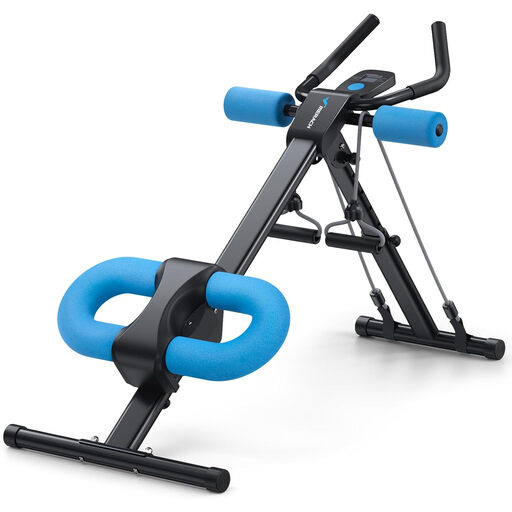
Why This Fits Their Persona: This option is designed for people prioritising structured abdominal training with adjustable positioning at home.
Five height adjustments and two incline settings make it less restrictive than a fixed ab trainer. Thick padding and smooth rollers address comfort concerns.
Foldable 70 x 35 x 115 cm design; LCD display records exercise counts, time and estimated calories.
We have compiled a complete, real-time list of products that fully satisfy these strict selection criteria and UK safety regulations.
Start with equipment that supports several movement types without requiring complex setup. A Pilates ring, exercise ball or adjustable ab trainer can provide accessible options, while resistance should be increased gradually. Choose stability and comfort over a long list of features.
That depends on the product. Compact accessories need little storage, but an elliptical requires clearance for the stride and handles. Measure both the operating area and folded footprint before ordering, allowing room to move safely around the equipment.
Manual accessories and ab trainers generally do not require mains electricity. An elliptical with an LCD display may use batteries or electronic components, depending on its design. Check the product specification for power requirements, and unplug mains-powered equipment when not in use.