
24/7 Customer Support

Free returns

Same-day & Next-day Delivery

Quality Guaranteed

Unlock Your Welcome Offers: FREE Delivery | Up to 80% OFF | Free 30-day JoyPlus trial
Download the APP
Creating a workout space at home can be more convenient than travelling to a gym, but buying the wrong equipment can quickly turn an organised room into an expensive storage area. The right home gym equipment should suit your available space, training goals and realistic routine—not simply look impressive in an online listing.
Before choosing a dumbbell set, yoga mat, gym flooring tiles or fitness accessories, watch for these common buying traps.
A large collection of hand weights may appear versatile, but very light dumbbells can become unsuitable as your strength improves. On the other hand, buying heavy weights too soon can make exercises uncomfortable and difficult to control.
Look for a practical progression. Beginners may prefer 1kg to 2kg weights for mobility exercises, Pilates and lighter upper-body work. Regular strength training may call for 3kg or 4kg pairs, depending on the exercise and your experience. Check whether the listed weight applies to one dumbbell or the complete pair.
A yoga mat or interlocking exercise mats may have a textured surface, but grip can vary according to dust, sweat, flooring material and movement intensity. A mat designed for stretching may not provide enough cushioning for jumping or heavy equipment.
Before buying, check the material, thickness, dimensions and cleaning instructions. Also place mats on a dry, flat surface and inspect them regularly for curling edges or damage.
Home gym equipment needs a dedicated place. Dumbbells left on a hallway floor can create a trip hazard, while weights placed directly on laminate or tiles may mark the surface. A compact stand, storage rack or protective gym flooring can make the difference between equipment being used regularly and being packed away permanently.
For a dumbbell set, verify the individual weight, total number of pieces and handle measurements. Neoprene dumbbells offer a soft-coated grip that can feel more comfortable for home workouts, while hex dumbbells have flat ends that help prevent rolling between sets.
A secure grip does not remove the need to use controlled movements. Put weights down gently, avoid storing them at height and keep them away from children.
A 3mm yoga mat is relatively lightweight and suitable for yoga, Pilates, balance work and floor-based exercise. It may be easier to roll and store, but it provides less cushioning than thicker foam flooring.
For a workout area beneath equipment, 1.2cm gym flooring tiles provide more separation from a hard floor. Each tile in the featured six-piece pack measures 60 x 60cm, covering 24 square feet in total. Measure your training area first, allowing room to move around the equipment.
Women's sportswear should be selected by activity and fit rather than appearance alone. For running or high-movement training, look for 4-way stretch fabric, a secure fit and moisture-wicking construction. A full-zip women's workout jacket can provide adjustable ventilation and an extra layer outdoors.
For yoga and Pilates, check whether the waistband stays in place and whether the material allows bending without restricting movement. Flared yoga leggings may work for studio sessions and everyday wear, but check the inseam against your height and make sure the hem will not catch underfoot.
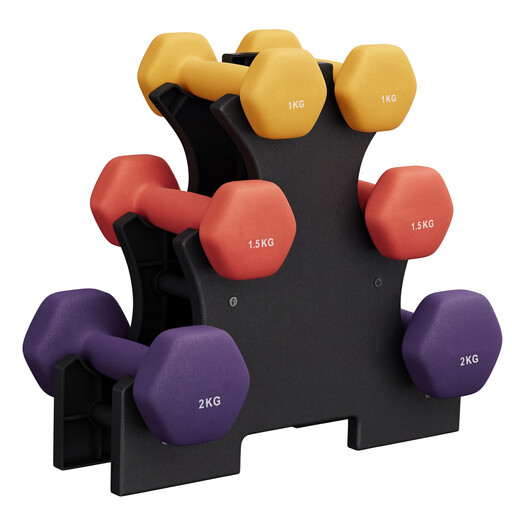
Why This Fits Their Persona: The 1kg, 1.5kg and 2kg pairs give beginners several starting points for short home sessions, while the compact stand helps keep a small flat or spare room organised.
The set states each weight clearly and includes a stand, reducing the risk of buying mismatched pairs or leaving weights loose on the floor.
Six cast-iron dumbbells have a neoprene coating and hexagonal ends that help prevent rolling.
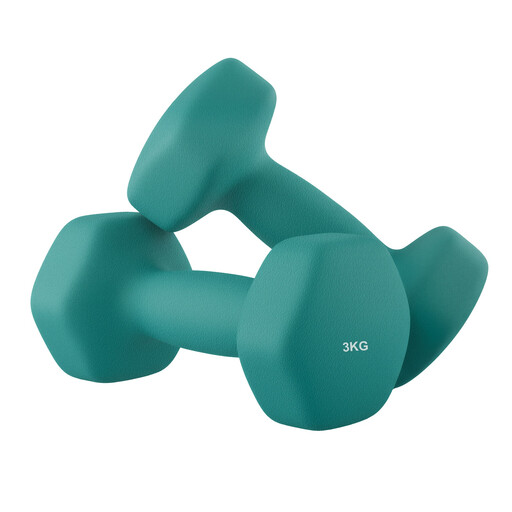
Why This Fits Their Persona: This pair suits shoppers who want a clearly specified step up from lighter hand weights for regular strength and cardio sessions at home.
The product information identifies the pair weight, dimensions and possible 3% weight discrepancy, helping buyers set realistic expectations.
The solid iron core, neoprene coating and hexagonal ends provide defined construction details for everyday use.
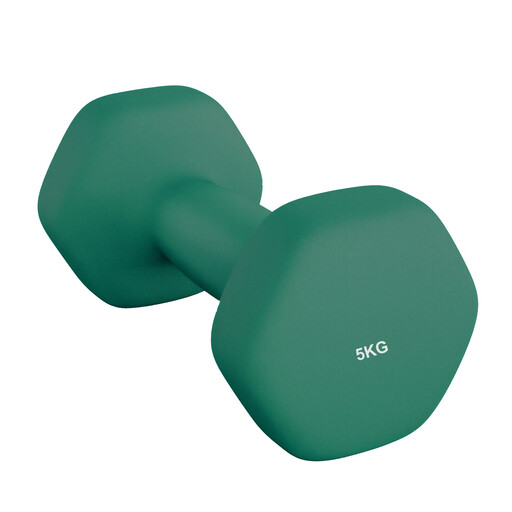
Why This Fits Their Persona: The 4kg pair is aimed at users whose routine has progressed beyond lighter weights and who have a stable, dedicated training area.
The listing gives the dimensions, handle size and stated 3% weight discrepancy, rather than leaving important specifications unclear.
Each cast-iron weight has a neoprene coating and hexagonal shape for a stable resting position.
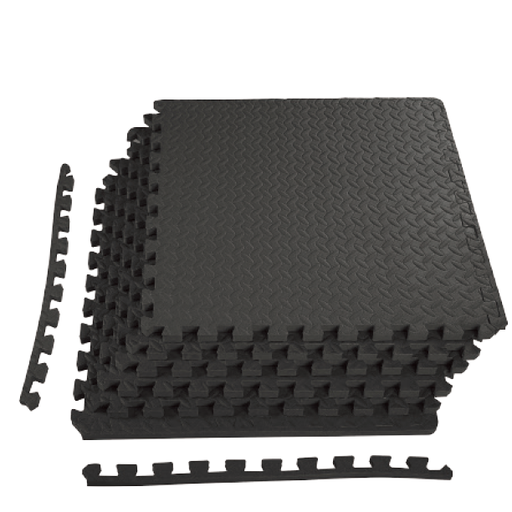
Why This Fits Their Persona: These tiles suit people converting part of a garage, spare room or flat into a workout area and wanting a wipe-clean surface beneath home workout equipment.
The stated 1.2cm thickness and 24-square-foot total coverage make it easier to assess cushioning and quantity before ordering.
PE foam tiles interlock for flexible installation and can be wiped with a damp cloth after use.
We have compiled a complete, real-time list of products that fully satisfy these strict selection criteria and UK safety regulations.
A balanced space does not need to contain every type of home gym equipment. Start with the items that support your chosen routine:
Measure the equipment footprint, then leave additional room for arm movement, stepping and safe placement of weights. A yoga mat typically needs a clear area around its full length and width. For dumbbells, allow enough space to pick them up without twisting around furniture.
Lifespan depends on materials, frequency of use, storage and cleaning. Keep neoprene dumbbells dry, wipe mats after sweaty sessions and store equipment away from direct heat and sunlight. Foam tiles should be kept on a flat, dry surface and protected from sharp objects.
Most basic equipment, including dumbbells, mats and flooring, uses no electricity. A fitness smartwatch may require regular charging, while powered machines can add to energy use. For a low-running-cost setup, combine manual strength training equipment with floor-based workouts and activewear suited to your routine.