
24/7 Customer Support

Free returns

Same-day & Next-day Delivery

Quality Guaranteed

Unlock Your Welcome Offers: FREE Delivery | Up to 80% OFF | Free 30-day JoyPlus trial
Download the APP
Setting up a personal workout space is an empowering step towards consistent fitness. However, the market for home gym equipment is flooded with options, and it's easy to make a purchase you later regret. Many products promise the world but fail to deliver on durability, safety or even basic functionality, leaving you with little more than expensive clutter.
As a Joybuy Product Recommendation Officer, my role is to help you see past the marketing jargon. This guide focuses on the common pitfalls UK buyers face and provides a clear framework for choosing equipment that truly fits your space, goals and budget.
Before you add anything to your basket, be aware of these frequent issues that lead to buyer's remorse:
To make a smart investment, focus on these non-negotiable specifications. They are far more important than flashy features or marketing claims.
The longevity and safety of your strength training equipment depend entirely on what it's made of. For items like a power tower or bench, look for a heavy-duty steel frame. This provides the necessary stability for exercises like pull-ups and dips. Check the product's total weight and weight-bearing capacity—a heavier unit is generally a more stable one. For a dumbbell set or hand weights, solid cast iron is the standard. A quality neoprene coating is essential, as it provides a secure, non-slip grip (even with sweaty hands) and protects your floors from damage.
Always measure your available space before buying. Check the product's assembled dimensions (Length x Width x Height) and ensure you have at least a metre of clear space around it for safe movement. For a pull up bar or power tower, the base dimensions are critical. A wider, heavier base prevents tipping and provides confidence during dynamic movements. For smaller items like dumbbells, consider storage. A set that includes a compact stand keeps your space tidy and your equipment organised.
Instead of a single, compromised machine, consider a combination of versatile items. A quality power tower allows for pull-ups, chin-ups, dips and leg raises, covering most of your upper body and core. When paired with a good dumbbell set, you can effectively train your entire body. This modular approach allows you to build your home workout gear collection over time as your fitness level and goals evolve.
Based on the principles of durability, space-efficiency and practical function, here are some recommendations matched to different user needs.
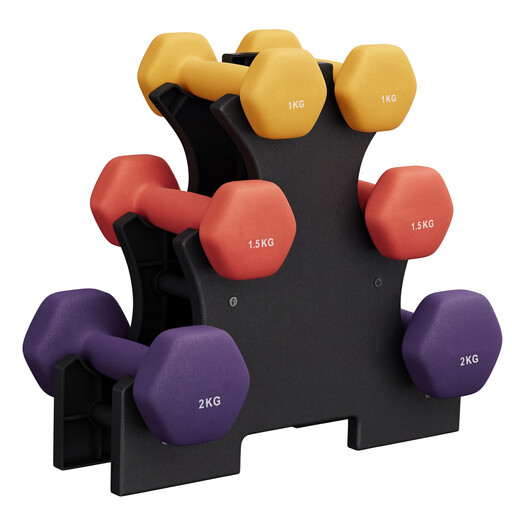
Why This Fits Their Persona: Ideal for someone starting out in a flat or small home. The light, incremental weights (1 kg, 1.5 kg, 2 kg) are perfect for building foundational strength and toning without risk of injury and the entire set takes up minimal floor space.
It directly counters the "space miscalculation" trap. The included vertical stand ensures the dumbbells are stored neatly and compactly, rather than being left on the floor.
The hexagonal shape prevents the weights from rolling away, enhancing safety. The non-slip neoprene coating provides a comfortable and secure grip during workouts.
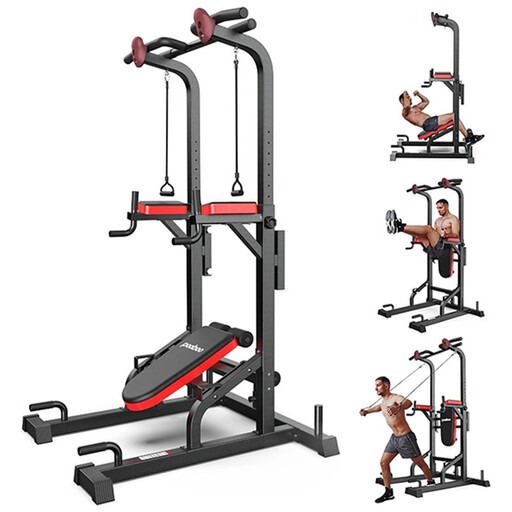
Why This Fits Their Persona: For the intermediate user with a dedicated space like a garage. This combines a pull-up station, dip bars and a bench, offering a robust platform for serious upper body and core strength training without the compromises of a typical multi-gym.
It avoids the "do-it-all disappointment" by focusing on core bodyweight functions and executing them well. The heavy-duty steel frame and high weight capacity (480 lbs / ~217 kg) ensure it is stable and durable, not flimsy.
Its multifunctional design consolidates several key pieces of equipment into one footprint. The adjustable height and non-slip structure add to its safety and versatility.
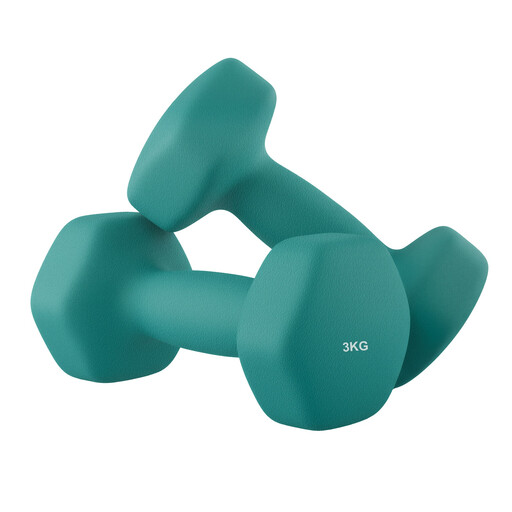
Why This Fits Their Persona: Perfect for someone who already enjoys activities like yoga, Pilates or running and wants to add a moderate level of resistance training. This 3 kg pair is a step up from beginner weights, ideal for targeted exercises like bicep curls, shoulder presses and lunges.
This avoids the "false economy" trap. The solid iron construction and durable neoprene finish mean they are built to last, unlike cheap, sand-filled plastic weights that can leak or crack.
The ergonomic handle design reduces hand fatigue during workouts. The slip-resistant matte texture ensures a firm grip, which is crucial for safety as you increase workout intensity.
We have compiled a complete, real-time list of products that fully satisfy these strict selection criteria and UK safety regulations.
This depends on your chosen equipment. For a dumbbell and mat-based routine, a clear floor space of 2m x 2m is usually sufficient. For a power tower or bench, measure carefully. You'll need the equipment's footprint plus at least one metre of clearance on all sides for safe movement. Always check the height, especially if you have low ceilings in a garage or basement.
It can be. Because power towers are vertically orientated, they have a relatively small floor footprint for the number of exercises they offer (pull-ups, dips and leg raises). They are often a more space-efficient choice than a sprawling multi-gym, provided you have the necessary ceiling height.
For a true beginner, it's always better to start too light than too heavy. The goal is to master the form of each exercise before increasing the load. A set with 1-3 kg weights is a great starting point. You should be able to complete 10-15 repetitions of an exercise with good form, where the last few reps feel challenging but not impossible.