
24/7 Customer Support

Free returns

Same-day & Next-day Delivery

Quality Guaranteed

Unlock Your Welcome Offers: FREE Delivery | Up to 80% OFF | Free 30-day JoyPlus trial
Download the APP
Building a home workout area can be more practical than paying for a gym membership, but choosing unsuitable home gym fitness equipment can quickly waste money and space. A power tower may look versatile yet be too tall for a spare room, while a thin mat may roll, slide or provide less cushioning than expected.
Before buying, look beyond promotional wording and check the measurements, materials, weight limits and intended use. The following guide explains the main pitfalls and compares suitable options for strength training, yoga, Pilates and general fitness at home in the UK.
A large stated weight-bearing figure does not mean every room or user is suitable for the equipment. You still need to consider the user’s body weight, additional movement forces, available floor space and ceiling height.
For a multifunction power tower, check:
A tower that is 99 inches high, for example, may be unsuitable for a low-ceilinged room, even if its footprint appears manageable.
A non-slip surface can improve traction, but performance depends on the floor beneath it. Dust, moisture, polished laminate, uneven tiles and carpet can all affect stability. Mats should be placed on a clean, flat surface and checked regularly for curling edges or damage.
For yoga, Pilates and floor workouts, compare the surface texture with the level of cushioning you require. A 3 mm yoga mat is easier to roll and store, while a thick exercise mat generally offers more padding for kneeling, stretching and floor-based strength work.
A product may combine several exercise stations, but that does not guarantee that each position suits every user. An adjustable power tower can provide more flexibility, particularly when several people share the equipment. Check the adjustment range, locking points and whether the bench position supports your planned exercises.
A steel frame can provide a stable foundation for bodyweight exercises, but the frame alone is not enough. Examine the base design, connection points and included safety instructions. The Pooboo multifunction power tower listed below has a stated 480 lb weight-bearing capacity, an adjustable height design and a 41 x 30 x 99-inch assembled size.
Use a power tower only on flat, stable ground. Follow the assembly instructions, inspect bolts and connections periodically, and keep children and pets away during operation. Do not exceed the stated capacity.
A pull-up bar and dip station can support several bodyweight movements, including pull-ups, assisted variations, dips and supported leg exercises. Adding a bench allows more options for pressing, core work and dumbbell exercises, although the bench’s configuration and available room should be checked before purchase.
A rock climbing grip pull-up bar offers varied hand positions compared with a conventional straight bar. This may appeal to experienced strength-training users, but beginners should select grips and movements that match their current ability rather than treating extra grip options as a requirement.
Mat choice should reflect the activities you perform most often:
Also check cleaning instructions and storage. PVC mats can be wiped clean, while NBR foam should be cleaned with a damp cloth and mild soap, then allowed to air dry.
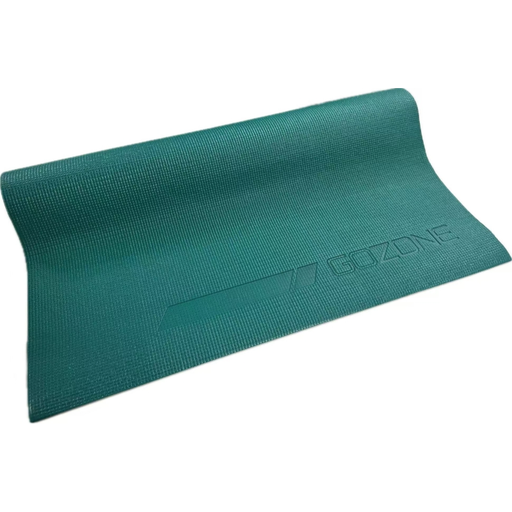
Why This Fits Their Persona: A portable option for UK beginners who need one mat for stretching, Pilates, ab exercises and occasional home workouts without storing bulky equipment.
Its listed 3 mm thickness and 68 x 24-inch dimensions make the level of portability and cushioning clear, rather than relying only on broad “all-purpose” wording.
PVC construction, embossed surface and wipe-clean design; suitable for yoga, Pilates, core, balance and flexibility exercises.
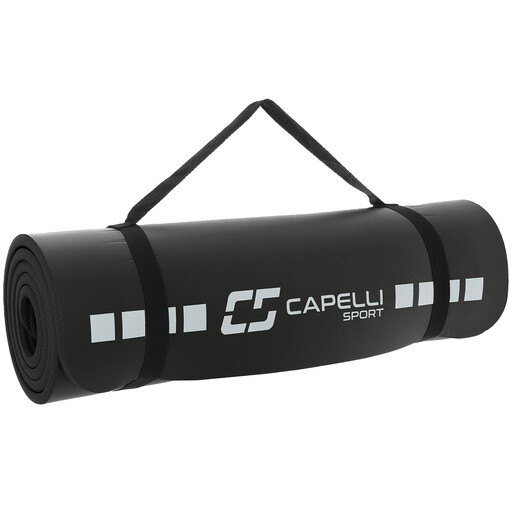
Why This Fits Their Persona: Designed for users who value additional cushioning and want a reusable mat for home fitness, Pilates, yoga and general gym-style floor workouts.
The material, 1.2 cm thickness and 61 x 183 cm dimensions are specified, helping buyers compare cushioning and storage needs before ordering.
1.2 cm NBR foam layer, textured surface and elastic carrying strap for transport and storage.
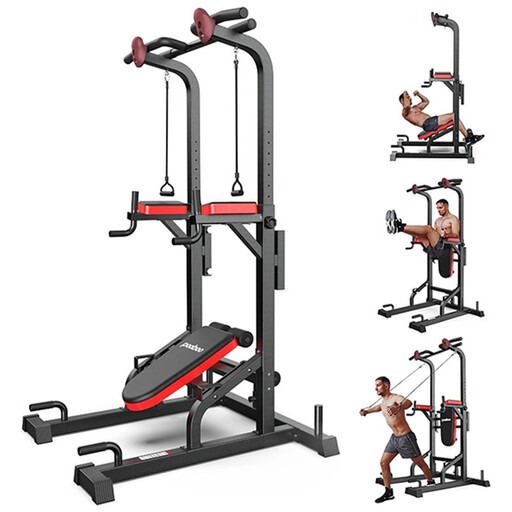
Why This Fits Their Persona: Suitable for experienced home gym users who want several bodyweight and bench-based strength exercises from one assembled station and have sufficient ceiling clearance.
The listing states the 99-inch height, 41 x 30-inch footprint, 86 lb net weight and 480 lb weight-bearing limit, so space and capacity can be assessed in advance.
Heavy-duty steel frame, adjustable height, bench, dip station and rock climbing grip pull-up bar in one unit.
Measure the intended area before ordering, including clearance above a power tower and room to move around it. In flats or terraced homes, consider flooring and noise: controlled movements, a cushioning mat and sensible workout times can reduce disturbance.
For a balanced setup, combine one main item of strength training equipment with yoga and fitness accessories. A power tower can support upper-body and bodyweight work, while a mat provides a defined surface for warm-ups, mobility, Pilates and floor exercises. Avoid placing NBR foam or PVC mats against sharp edges, abrasive surfaces or damp storage areas.
We have compiled a complete, real-time list of products that fully satisfy these strict selection criteria and UK safety regulations.
Start with equipment that matches your available space and routine. A non-slip mat can support stretching, Pilates and floor workouts, while a power tower is more suitable if you have adequate ceiling height and plan regular pull-up, dip or bodyweight training.
Lifespan depends on frequency of use, storage, cleaning and the floor underneath. Inspect the surface before each session and replace a mat if it develops significant tearing, permanent deformation, exposed material or reduced traction.
Many items, including power towers, benches and exercise mats, do not require electricity. Running costs are therefore mainly linked to lighting, heating, ventilation and any separate powered equipment used in the room.