
24/7 Customer Support

Free returns

Same-day & Next-day Delivery

Quality Guaranteed

Unlock Your Welcome Offers: FREE Delivery | Up to 80% OFF | Free 30-day JoyPlus trial
Download the APP
Choosing home health monitoring and car diagnostic devices can save time and support routine checks, but product listings often make similar promises. A low purchase price may hide ongoing costs, limited compatibility or accessories that are difficult to replace. The right choice depends on how often you will use the device, who will use it and whether you need basic readings or deeper diagnostics.
A blood glucose monitor may look affordable, but the continuing cost usually comes from blood glucose test strips and lancets. Before ordering, check:
For example, Safe AQ Pro I strips are designed for the Safe AQ Pro I monitor, while Safe AQ Smart strips are intended for the Safe AQ Smart meter. These systems should not be treated as interchangeable.
An entry-level OBD2 car diagnostic scanner may read engine fault codes but not access ABS, SRS or transmission systems. Similarly, a device advertised with a bi-directional scan tool function may only support active tests on selected makes and models.
Service resets, ECU coding, injector coding and security gateway access are also highly vehicle-dependent. Always confirm compatibility using the car’s make, model, engine, registration details or VIN, particularly before buying a professional-grade device.
A blood glucose monitor, upper arm blood pressure monitor or fitness smartwatch can help record personal readings, but consumer devices do not replace clinical assessment. Incorrect cuff placement, unwashed hands, movement and unsuitable test strips can affect results.
Look for clear instructions, UK support information and appropriate product labelling. Check for relevant CE or UKCA marking where applicable, the manufacturer or responsible person details and a clear user manual.
For regular home testing, focus on the complete system rather than the meter alone:
Do not share meters or lancing devices. Used lancets should be disposed of safely in an appropriate sharps container, following local guidance.
An upper arm blood pressure monitor is generally more suitable for routine home tracking than relying on wrist positioning, but cuff fit is critical. Measure the user’s upper-arm circumference before ordering.
Useful specifications include:
Sit quietly before measuring, keep the arm supported at heart level and avoid talking during the reading. Persistent or concerning results should be discussed with a healthcare professional.
For car owners and workshops, compare the following:
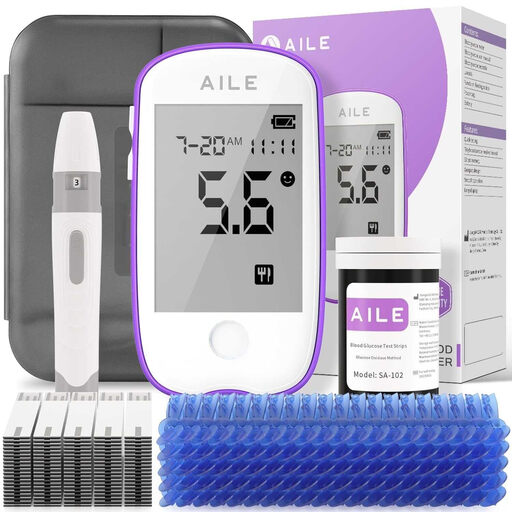
Why This Fits Their Persona: This bundled diabetes testing kit suits first-time home users who want the meter, 50 strips, 50 lancets and lancing device together.
The included strip quantity makes the ongoing supply requirement more visible than a meter-only listing. It also uses a no-code design.
Five-second readings, selectable mmol/L or mg/dL units and a large LCD display.
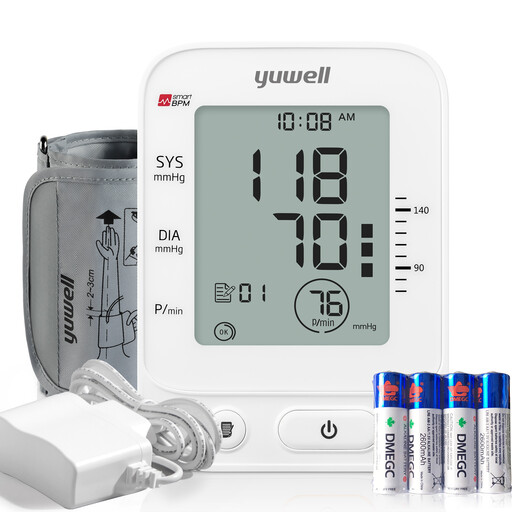
Why This Fits Their Persona: Its one-touch operation, wide-range cuff and included power adapter suit households prioritising straightforward daily monitoring.
The stated 22–42 cm cuff range reduces the risk of buying a monitor with an unsuitable adult cuff size.
99-reading memory, irregular-heartbeat detection and a 3.6-inch display.
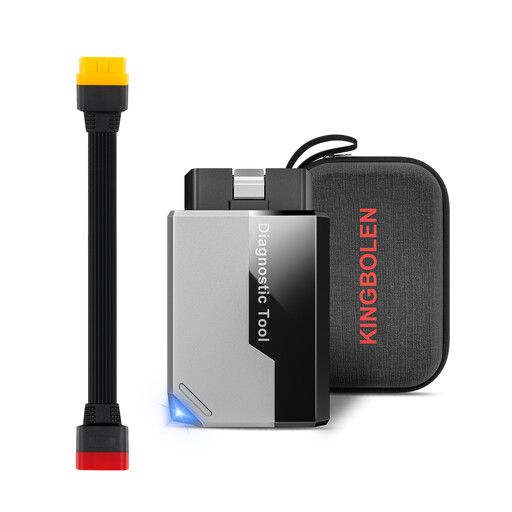
Why This Fits Their Persona: DIY owners, mobile mechanics and small workshops can use its smartphone-based interface for wider diagnostic work.
The listing separates full-system scanning, active tests and special functions, while noting that availability varies by model and year.
Bluetooth 5.2, CAN FD support, 15 listed reset functions and lifetime update access stated by the listing.
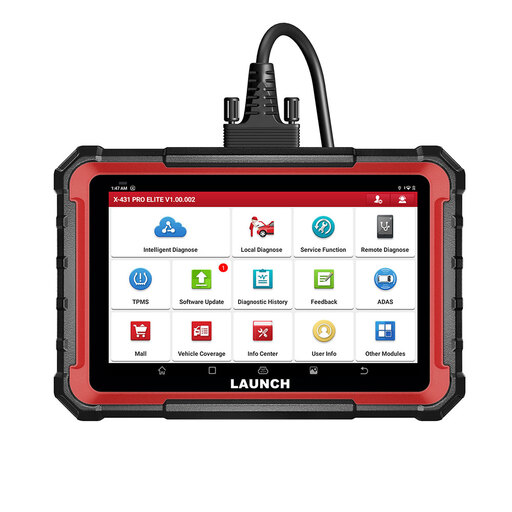
Why This Fits Their Persona: A suitable direction for repair shops and technicians needing a tablet-format tool with deeper workshop functions.
The listing clearly states that ECU coding and active tests vary by vehicle, so compatibility should be confirmed before ordering.
8-inch touchscreen, DoIP and CAN FD support, full-system diagnostics and listed ECU coding functions.
We have compiled a complete, real-time list of products that fully satisfy these strict selection criteria and UK safety regulations.
The purchase price is only part of the calculation. Blood glucose monitors require compatible strips and lancets, while blood pressure monitors generally have lower recurring costs beyond batteries. A fitness smartwatch may require app access, charging and occasional replacement straps. Check consumables, warranty terms and battery requirements before buying.
No. Compatibility depends on the vehicle’s protocol, model, engine, system and security gateway. Many petrol vehicles support standard OBD2 communication, while diesel compatibility and advanced functions can differ. Confirm the exact vehicle details with the seller before purchasing a full-system scanner or ECU coding tool.
Lifespan depends on storage, handling, battery care and usage frequency. Keep devices dry, avoid excessive heat and follow the manufacturer’s cleaning guidance. For health monitors, replace cuffs, lancets or strips according to their instructions rather than using damaged or expired accessories. For car scanners, check whether software updates, warranty cover and app support continue after purchase.