
24/7 全天候客户支持

免费退货

当日/次日达

品质保障

开启新人专享福利: 全场免邮 | 低至 2 折 | 免费试用 30 天 JoyPlus 会员
下载 Joybuy
Taking a proactive approach to your health is more accessible than ever, thanks to the wide array of home health monitoring devices available. From tracking fitness progress to managing chronic conditions, these tools offer valuable insights. However, the market is flooded with gadgets that over-promise and under-deliver. Many UK households end up with inaccurate devices or get locked into expensive ecosystems.
As a Joybuy Product Recommendation Officer, my role is to help you see past the marketing clutter. This guide will highlight the common pitfalls to avoid and the essential features to look for, ensuring you choose a device that is both reliable and right for your needs.
Before you add anything to your basket, be aware of these frequent issues that can turn a helpful tool into a frustrating waste of money.
To make a smart purchase, focus on these non-negotiable parameters. They are the foundation of a reliable and useful personal health tracker.
The core function of any monitoring device is to provide accurate data.
If you're choosing a smart device, ensure it works for you, not the other way around. Before buying, check the product description or manufacturer's website to see if the device's app can sync with major health platforms. Open compatibility ensures your at-home medical devices can contribute to a single, unified health record on your phone, making long-term trend analysis much simpler.
For any device that measures your health, safety and reliability are paramount. In the UK, look for the CE marking. This indicates that the manufacturer has checked that the product meets EU/UK safety, health and environmental requirements. It is a key indicator of quality and accountability, especially for devices used for health management.
Based on these practical criteria, here are a few options suited to different user needs.
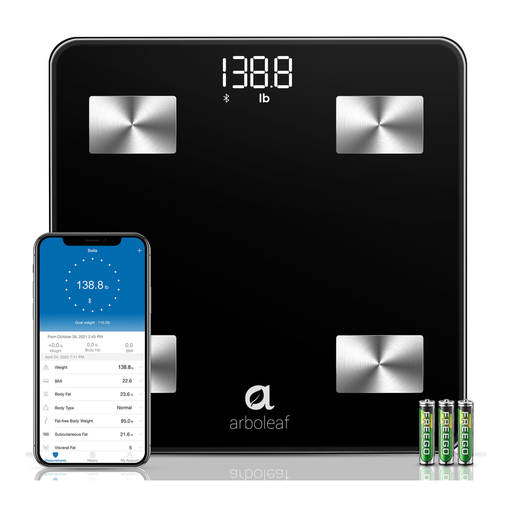
Why This Fits Their Persona: This scale is ideal for a family wanting to track general wellness together. It automatically recognises different users and syncs their data privately to their own phones, making it simple for everyone from parents to teenagers to keep an eye on their health metrics.
It sidesteps the "App-Locked Ecosystem" trap by offering compatibility with major health platforms beyond its native app, allowing for integrated health tracking.
Supports unlimited user profiles with automatic recognition. Features a clear, easy-to-read LED display visible in any light.
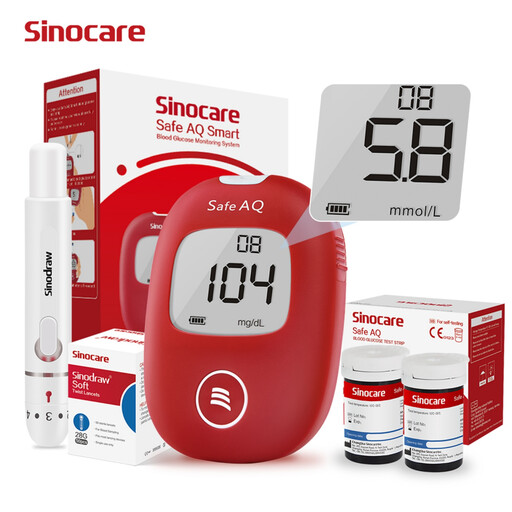
Why This Fits Their Persona: For someone who needs to monitor their blood glucose regularly, this kit provides everything needed to start. The fast 5-second test time, small blood sample requirement (0.6μL) and low-pain lancing device make the daily routine as straightforward as possible.
This kit directly counters the "Hidden Consumable Costs" trap by including a generous supply of 50 test strips and 50 lancets, offering excellent initial value.
A complete starter kit with no coding required. It uses an advanced FAD-GDH enzyme system for reliable accuracy.
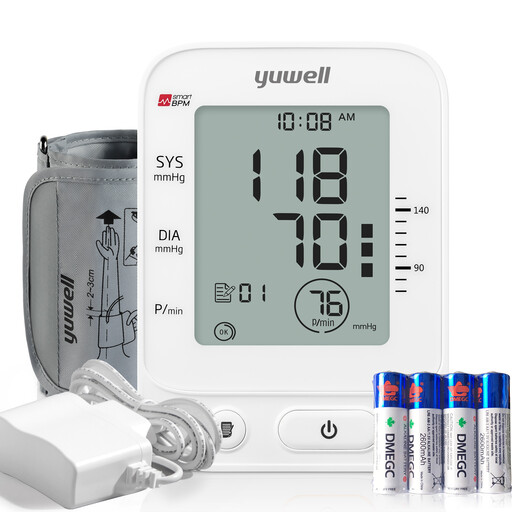
Why This Fits Their Persona: This user doesn't want apps, Bluetooth pairing or complex features. They need a reliable, straightforward device that does one job well. With its one-touch operation and large, clear display, this monitor is exceptionally easy to use for daily blood pressure checks.
It completely bypasses the "App-Locked Ecosystem" and "Inaccurate Metrics" traps by focusing on being a dedicated, accurate medical device without any smart functionality.
Features a large 3.6-inch HD display and a wide-range cuff for comfort. It also includes an irregular heartbeat detector and stores up to 99 readings.
We have compiled a complete, real-time list of products that fully satisfy these strict selection criteria and UK safety regulations.
Most modern digital bathroom scales perform an automatic calibration. To ensure accuracy, always place your scale on a hard, flat surface like tile or wood, not on a carpet. If you move the scale, it's good practice to step on and off it once to allow it to re-calibrate before taking your official weight.
High-quality home devices, particularly those with CE marking or which meet clinical standards, can be very accurate for monitoring trends. They are excellent for tracking changes over time between visits to your doctor. However, they are intended for personal monitoring, not for self-diagnosis. Always consult a qualified healthcare professional for any medical concerns or before making changes to your treatment plan.
The lifespan varies by device type and quality. A well-maintained set of digital bathroom scales can last for five years or more. Electronic devices like blood pressure or glucose monitors typically have a functional life of three to five years. The most important factor for longevity is proper care: store devices in a dry place, handle them carefully and replace batteries as needed. For devices with consumables, such as a digital thermometer with probe covers or a diabetes testing kit, always check the expiry date on the test strips, as using expired strips can lead to inaccurate results.