
24/7 全天候客户支持

免费退货

当日/次日达

品质保障

开启新人专享福利: 全场免邮 | 低至 2 折 | 免费试用 30 天 JoyPlus 会员
下载 Joybuy
Whether you are supporting an older relative, managing blood sugar, checking blood pressure or preparing a family travel kit, the right home health monitoring devices can make routine readings easier to organise. However, product pages often focus on speed, large displays or advanced-sounding sensors while leaving out the details that affect everyday use.
Joybuy Product Recommendation Officer guidance focuses on the practical specifications behind the marketing language, so you can compare home health monitoring equipment with fewer surprises.
A low-priced blood glucose meter may seem economical until you discover that its blood glucose test strips are compatible only with one model. Check the strip type, pack size, expiry period and cost before buying. Some products include lancets and strips, while others contain the meter only.
Do not assume that test strips from the same manufacturer are interchangeable. For example, Safe AQ Pro I, Safe AQ Pro III, Safe-Accu 2 and Safe AQ Smart products use different designated consumables.
A digital thermometer that displays a result in one second is convenient, but positioning, ambient temperature and cleaning still matter. Similarly, blood pressure readings can vary if the cuff is over clothing, the user has just exercised or the arm is not supported at heart level.
Fast readings are useful for routine checks, but they do not remove the need to follow the supplied instructions.
A small display may be difficult for someone with limited eyesight. A narrow blood pressure cuff may not fit every adult arm. A fingertip pulse oximeter can give inconsistent results if fingers are cold or covered with nail polish.
Before purchasing, consider who will use the device, where it will be stored and whether readings need to be reviewed over time.
For a blood glucose monitor or blood sugar testing kit, check:
A glucose meter is for self-monitoring and does not replace advice from a healthcare professional.
An upper arm blood pressure monitor is usually more practical for regular home use than a wrist model, but cuff sizing is essential. Compare the stated arm circumference range, such as 22–32 cm or 22–42 cm, with the user’s arm measurement.
Other useful specifications include:
Look for clear UK instructions and check the packaging for applicable medical-device information, responsible-person details and manufacturer support.
A digital thermometer with a flexible tip may suit children and households that prefer contact measurement. An infrared thermometer can offer forehead, ear or object modes, but each mode requires the correct distance and positioning.
For a pulse oximeter, check whether it displays both oxygen saturation and pulse rate, whether the screen rotates and whether it includes low-battery warnings. Cold fingers, artificial nails and movement can affect readings. These devices provide reference information rather than a diagnosis.
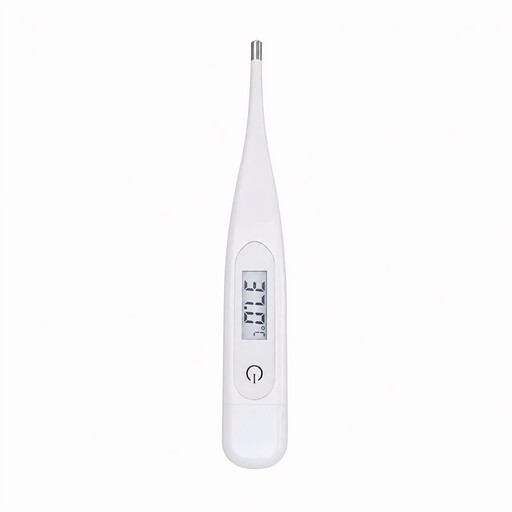
Why This Fits Their Persona: A straightforward choice for households wanting a compact thermometer for occasional checks, travel bags or a first-aid drawer.
The mercury-free pen design avoids specialist consumables and offers switchable °C/°F readings, while the stated display range is 32.0°C–42.9°C.
0.1°C display resolution, audible completion alert and a slim ABS body powered by an LR41 battery.
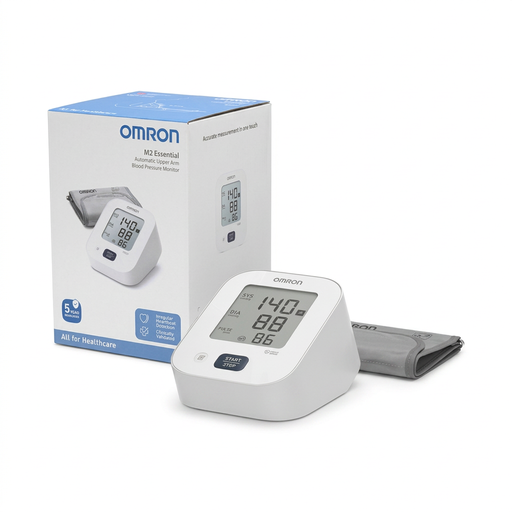
Why This Fits Their Persona: Suitable for users who prioritise a recognised format, guided cuff placement and simple one-touch operation for regular home monitoring.
The 22–32 cm cuff specification makes fit easier to verify before purchase, and the device provides movement and cuff-wrapping indicators.
Stores 30 readings for one user, includes four AA batteries and has an automatic inflation function.
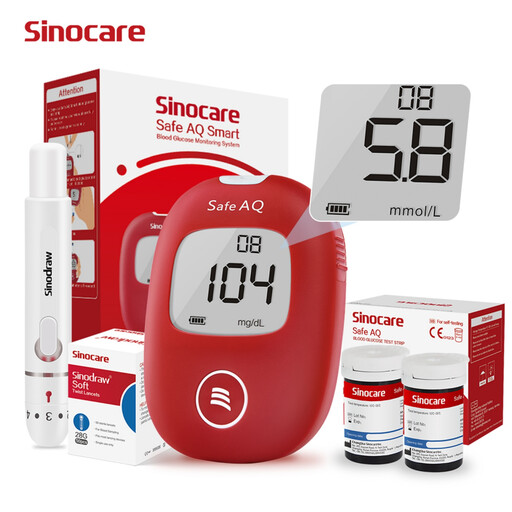
Why This Fits Their Persona: Designed for people who need a complete blood sugar testing kit with strips and lancets included for ongoing personal monitoring.
The package contents are clearly specified: one meter, lancing device, 50 strips and 50 lancets. Check strip compatibility and opening-life guidance before reordering.
No-coding operation, 0.6 μL stated sample requirement and readings displayed within five seconds.
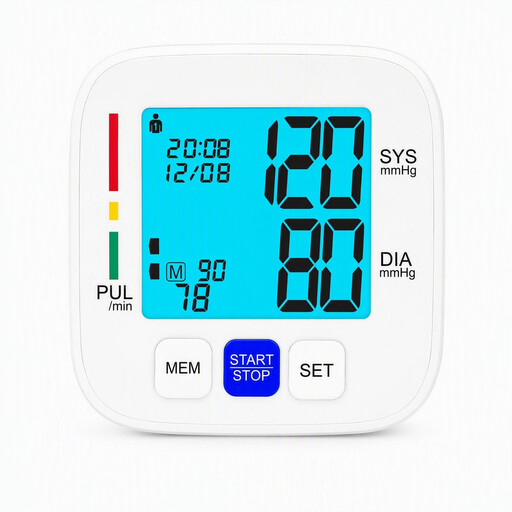
Why This Fits Their Persona: A practical option for households where two people need separate reading histories and a wider cuff range.
The 22–42 cm cuff range is stated clearly, helping buyers compare fit rather than relying on vague “family use” wording.
Two user profiles with 90 stored readings each and an automatic average of three readings.
We have compiled a complete, real-time list of products that fully satisfy these strict selection criteria and UK safety regulations.
A digital thermometer is a sensible starting point for most homes. Add an upper-arm blood pressure monitor if regular blood pressure checks are needed, and choose a blood glucose monitor or pulse oximeter according to personal requirements and professional advice.
Lifespan depends on battery care, cleaning, storage and frequency of use. Consumables such as strips and lancets have their own expiry or opening-use limits. Keep packaging and instructions, and replace any device that is damaged or produces unusual results.
Compare the complete ownership cost rather than the purchase price. Include replacement batteries, compatible blood glucose test strips, lancets, probe covers if required and any accessories. For multi-user homes, memory capacity can also reduce the need for separate paper records, provided each person’s readings are kept distinct.