
24/7 全天候客户支持

免费退货

当日/次日达

品质保障

开启新人专享福利: 全场免邮 | 低至 2 折 | 免费试用 30 天 JoyPlus 会员
下载 Joybuy
Taking a more active role in managing your health is an empowering step. With the right tools, you can track key metrics from the comfort of your home, providing valuable insights for you and your healthcare provider. However, the market for home health monitoring devices is crowded with gadgets that promise much but often deliver little. Navigating this landscape can be tricky, and it's easy to end up with a device that's inaccurate, costly to maintain or simply frustrating to use.
As the Joybuy Product Recommendation Officer, my role is to help you sidestep these common issues. Let's look at the frequent pitfalls UK shoppers face and how to choose a device that genuinely supports your wellness goals.
diabetes testing kit or monitor can become a significant expense over time. Some brands lock you into a system that requires proprietary, expensive and sometimes hard-to-find test strips or cuffs. Always check the long-term cost and availability of refills before committing.smart body fat scale is only as good as its companion app. Many devices are let down by clunky software, unreliable Bluetooth connectivity or vague data privacy policies. A device that makes it difficult to access and track your data over time defeats its own purpose.To avoid the traps, focus on the fundamental specifications that determine a device's quality and usability. Here’s what to look for.
For any device measuring medical data, such as a digital blood pressure machine or a blood glucose monitor, this is non-negotiable. In the UK, look for the CE marking, which indicates the product meets EU and UK health, safety and environmental protection standards. For blood glucose meters, compliance with the ISO 15197:2015 standard is a key indicator of clinical accuracy. These certifications provide a baseline of trust in the readings.
If you're choosing a smart device like a body composition analyser or bluetooth bathroom scales, examine its digital ecosystem.
A seamless digital experience is crucial for long-term tracking and motivation.
A device should fit into your life, not complicate it. Consider these practical points:
diabetes testing kit, how much blood does a strip require? Smaller samples (e.g., 0.6μL) mean a less painful test. Are the strips easy to handle and insert?Instead of a one-size-fits-all approach, the right device depends on your specific needs. Here are our recommendations matched to different user profiles.
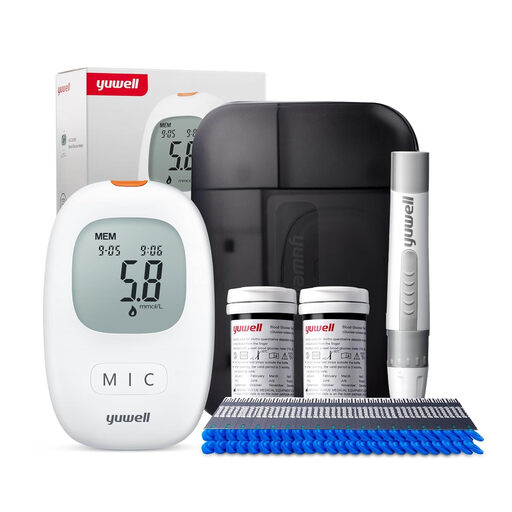
Why This Fits Their Persona: This is an ideal starting point for anyone newly diagnosed or beginning to monitor blood sugar. It's a complete, affordable kit that includes the monitor, 50 test strips and 50 lancets, removing the guesswork of buying separate components.
It directly counters the "hidden costs" trap by providing a generous supply of consumables upfront. The device is also certified to ISO 15197:2015 standards, addressing the "accuracy illusion" pitfall.
No coding is required, which simplifies the testing process and reduces user error. The adjustable lancing device with 5 depth settings makes blood collection more comfortable.
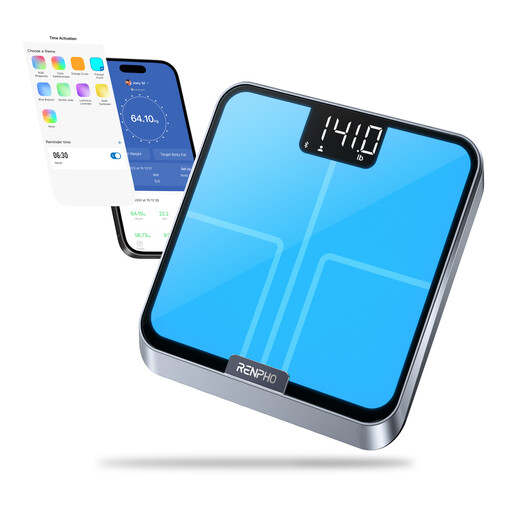
Why This Fits Their Persona: For those who live in their fitness apps, this scale offers seamless integration. It tracks 13 key body metrics and syncs the data automatically to the RENPHO Health app, as well as popular platforms like Apple Health, Google Fit and Fitbit.
It solves the "flawed smart features" problem with a reliable app and broad third-party compatibility. The use of high-quality ITO conductive coating on the glass also enhances sensor sensitivity for more consistent readings.
It supports unlimited user profiles, making it great for households with multiple fitness-focused individuals. The Baby Mode is a practical extra for weighing infants or pets.
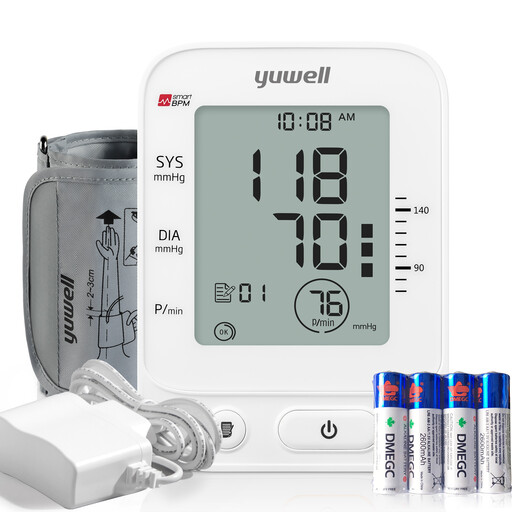
Why This Fits Their Persona: When you need a no-fuss, reliable device for monitoring blood pressure for yourself or a loved one, this is an excellent choice. Its large display, one-touch operation and wide-range cuff make it accessible for all adults, including older users.
This monitor avoids the "accuracy illusion" by being a medical-grade device that meets European Society of Hypertension (ESH) standards. Its simplicity means there are no confusing smart features to grapple with.
It includes irregular heartbeat detection and a hypertension indicator, providing crucial context beyond just the numbers. The 99-reading memory is useful for tracking trends between doctor visits.
We have compiled a complete, real-time list of products that fully satisfy these strict selection criteria and UK safety regulations.
Most modern home devices, like digital blood pressure monitors and scales, are designed to be self-calibrating and do not require manual adjustment. For a blood pressure machine, it's good practice to compare its reading with one taken at your GP's surgery once a year to ensure it remains accurate. For scales, always place them on a hard, flat surface and allow them to zero out before stepping on.
The technology used in a smart body fat scale, known as Bioelectrical Impedance Analysis (BIA), sends a very low, imperceptible electrical current through the body. This is generally considered safe for most people. However, it is not recommended for individuals with implanted medical devices like pacemakers. Regarding data, always review the app's privacy policy before you start. Reputable brands will be transparent about how your data is stored and used.
blood glucose monitor can last for many years with proper care. The more critical factor is the test strips. Each vial of strips has an expiration date printed on it, and they should also be used within a specific period after opening (typically 3-6 months). Using expired strips can lead to inaccurate results, so always check the packaging.