
24/7 Customer Support

Free returns

Same-day & Next-day Delivery

Quality Guaranteed

Unlock Your Welcome Offers: FREE Delivery | Up to 80% OFF | Free 30-day JoyPlus trial
Download the APP
Choosing home healthcare products can feel straightforward until you compare temperature readings, suction levels, cuff sizes, ingredients and safety instructions. Marketing often highlights a single impressive specification while overlooking the details that affect everyday use.
For UK households, the right choice depends on who will use the item, how often it will be used and whether it is designed for monitoring, personal care or comfort. This guide explains the main buying traps, the specifications worth checking and a selection of products suited to different household needs.
A thermometer with multiple modes or a skincare mask with several light settings may appear more capable, but extra functions are only useful when they match your routine. A parent taking a temperature at night may value a mute mode and backlit display more than additional settings. Likewise, a nasal aspirator needs comfortable tips and easy cleaning, not simply the highest suction figure.
Healthcare items can require frequent contact with skin, saliva or mucus. Removable parts, washable materials and a protective case make a meaningful difference. Check whether batteries, charging cables, replacement tips or compatible cuffs are included. A low purchase price can become less convenient if essential accessories need to be bought separately.
A CE-marked device or a product described as “medical grade” still needs to be used according to its instructions. Home health monitoring devices are intended to support readings and record-keeping; they do not replace professional assessment. Do not use a blood pressure reading to change medication without advice from a GP, pharmacist or other qualified healthcare professional.
For a digital thermometer for adults and children, check the measurement site, displayed resolution, stated error range and completion alert. A pen-style medical thermometer may suit a medicine cabinet or travel bag, while a digital forehead thermometer can be more convenient when a child is asleep.
The yuwell YT-1 uses non-contact infrared measurement, a distance detection sensor, a one-second reading and a display resolution of 0.1°C or 0.1°F. Its vibration reminder and mute mode are practical features for night-time use. A traditional contact thermometer, such as the Treesmile T11, displays readings to 0.1°C, switches between Celsius and Fahrenheit and uses a beep to indicate completion. Follow the supplied instructions for the chosen measurement site, as readings can vary between methods.
For an upper arm blood pressure monitor, cuff fit and positioning are more important than a large screen alone. The cuff should sit on the bare upper arm, with the arm supported at heart level. Sit quietly for around five minutes, avoid talking during the reading and take measurements consistently.
The yuwell YE660E includes a wide-range cuff, one-touch operation, irregular heartbeat detection, a large display and memory for up to 99 readings. It also includes a power adapter. These features may help adults or carers track readings over time, but results should be discussed with a healthcare professional when appropriate.
For baby products, comfort and supervision are essential. A nasal aspirator should have a suitable tip, adjustable suction where available and parts that can be washed thoroughly. Never insert the tip deeply into a baby’s nostril, and always use the product under direct adult supervision.
Look for clearly stated materials such as food-grade or medical-grade silicone, BPA-free plastic and washable components. Check battery safety, charging requirements and age suitability. Products containing small parts must be kept away from young children.
For skincare and wellness devices, check ingredients, contact time, eye protection and contraindications. An LED light therapy mask should not be treated as a general-purpose healthcare device. The Renpho mask includes red, blue, green and near-infrared modes, adjustable treatment times and a USB-C rechargeable control unit. Use the included eye protection, do not use it while charging and complete a patch test if recommended by the instructions.
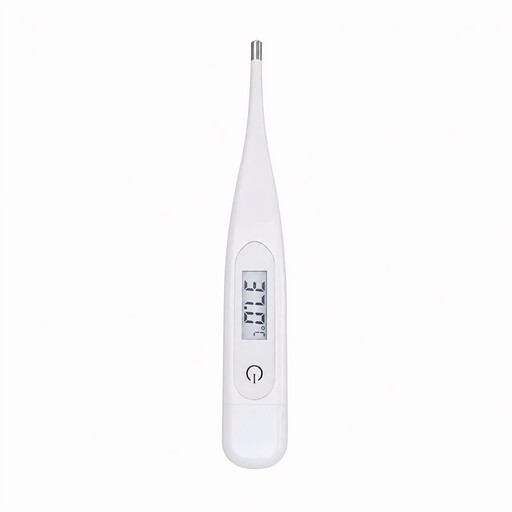
Why This Fits Their Persona: A compact option for a UK medicine cabinet, travel washbag or family that wants one straightforward thermometer for regular home use.
It focuses on core temperature measurement rather than unnecessary functions, with a mercury-free body and clear unit switching.
0.1°C display resolution; pen-style design; Celsius/Fahrenheit conversion; mercury-free construction.
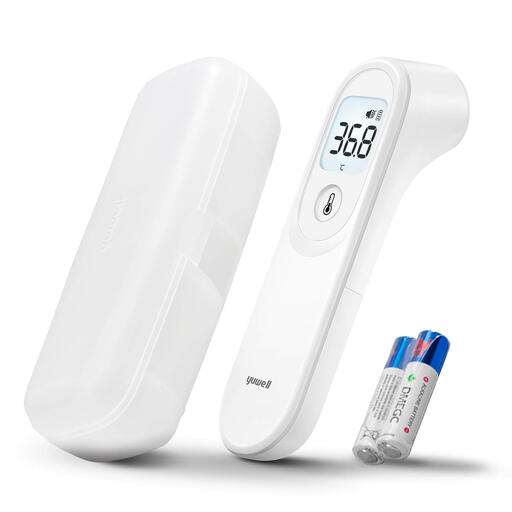
Why This Fits Their Persona: Designed for households wanting contact-free temperature checks, particularly parents measuring a sleeping baby or checking several family members.
Its distance detection sensor helps guide positioning, while the mute mode avoids relying on a loud alert during night-time checks.
One-second readings; 0.1°C/0.1°F resolution; vibration reminder; large backlit display; carrying case included.
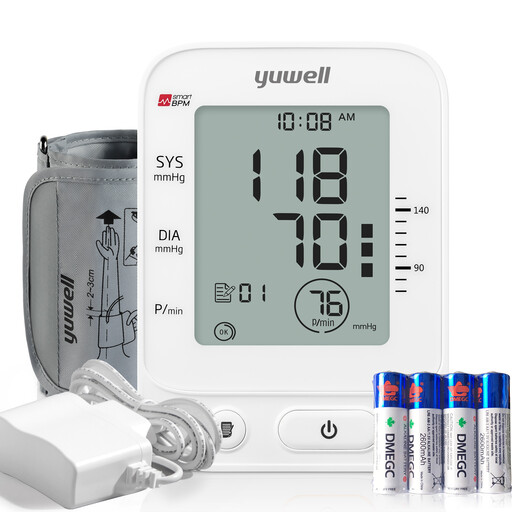
Why This Fits Their Persona: Suitable for adults or carers who need a repeatable home routine and want to review readings rather than record every result manually.
The wide-range cuff and stored readings address common usability issues, but correct positioning and professional interpretation remain essential.
99-reading memory; large 3.6-inch display; one-touch operation; included power adapter; irregular heartbeat detection.
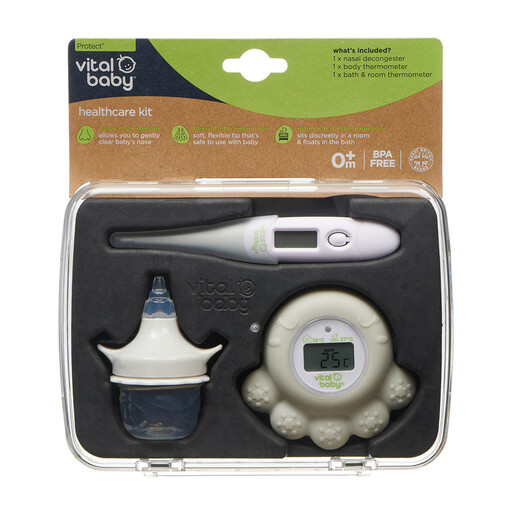
Why This Fits Their Persona: A practical starting point for new parents who want several newborn healthcare essentials together for home use or travel.
It combines a flexible-tip thermometer, bath thermometer and silicone nasal aspirator in one case, reducing the need to purchase each item separately.
Suitable from 0 months+; waterproof room and bath thermometer; disassemblable aspirator; hygienic storage case.
We have compiled a complete, real-time list of products that fully satisfy these strict selection criteria and UK safety regulations.
For persistent dry or itchy skin, an itch relief cream should be checked for active ingredients, age guidance and warnings. E45 Itch Relief Cream contains 5% urea and 3% lauromacrogols and is fragrance-free, but it is still important to follow the label and stop use if irritation occurs.
For at-home skincare routines, an LED mask such as the Renpho ARTEMIS offers several light modes and 10-, 20- and 30-minute automatic shut-off settings. It is a personal-care product, not a substitute for treatment. Keep it away from children, protect the eyes and follow the charging instructions.
A basic kit may include a digital thermometer, plasters, sterile dressings, disposable gloves, hand sanitiser and any regularly prescribed medicines. Families with babies may also consider a bath thermometer and baby nasal aspirator. Store items in a dry, accessible place and check expiry dates regularly.
Lifespan depends on battery condition, cleaning, storage and manufacturer guidance. Replace batteries when readings or displays become unreliable, inspect cuffs and probes for damage, and clean contact surfaces as instructed. Rechargeable devices should be charged with the specified cable and adapter.
Pen-style thermometers typically use a small replaceable battery, while forehead thermometers may use AAA batteries. Blood pressure monitors can use batteries or a mains adapter. Rechargeable products such as electric nasal aspirators and LED masks require occasional charging, so the ongoing cost is mainly electricity, replacement batteries and consumable accessories.