
24/7 Customer Support

Free returns

Same-day & Next-day Delivery

Quality Guaranteed

Unlock Your Welcome Offers: FREE Delivery | Up to 80% OFF | Free 30-day JoyPlus trial
Download the APP
Choosing home kitchen and wellness appliances can be more complicated than comparing prices. A stand mixer may advertise a large bowl but offer little usable capacity, while a heated massager may include several modes that are uncomfortable or impractical for everyday use. The right purchase depends on specifications, cleaning requirements, safety features and how regularly you expect to use it.
This guide highlights common buying traps and compares suitable options for UK households, home bakers, busy professionals and shoppers looking for useful home relaxation products.
A mixer’s bowl volume is not the same as its recommended working capacity. A 6-litre bowl may not safely accommodate 6 litres of dough or batter. Check the manufacturer’s guidance for flour, dough and cake mixtures before buying.
For example, the Monsga SM100 lists a 6-litre maximum bowl capacity but recommends a usable capacity of around 5 litres. By comparison, the Kenwood Chef Baker provides specific maximums including 1.3kg of dough and 2kg of cake mixture. These details are more useful than bowl size alone.
A high wattage figure does not automatically indicate better mixing. Motor design, speed control, planetary movement and overload protection also affect how an electric food mixer performs. Some listings quote peak power, while others specify rated power, so compare like with like.
A dough mixer should also be used within its stated limits. Heavy dough can place more strain on a motor than whisking egg whites, and repeated overloads may trigger thermal protection or shorten the appliance’s working life.
A heated massager is not automatically more comfortable. Heat levels, node movement, pressure settings, fit and session timers all affect the experience. A neck massager designed for one user may feel too firm for another.
Massage appliances should be used according to their manuals. Avoid using heat while sleeping, keep electrical products away from water and stop immediately if you experience discomfort. If you have a medical condition, are pregnant, use a pacemaker or have reduced sensation, seek appropriate medical advice before use.
For family baking, look beyond the stated bowl size. Check:
A kitchen mixer with a dough hook is useful for bread and pizza, while a K-beater is more suited to cakes, biscuits and pastry mixtures. A balloon whisk is generally intended for aerating cream or egg mixtures.
Variable speed control gives more control when switching between folding, whisking and kneading. Planetary mixing action moves the attachment around the bowl, helping it reach more of the mixture.
Also consider the mixer’s weight, footprint and grip. Suction feet, non-slip feet and a stable, level worktop can reduce movement during kneading. Check dimensions before buying if the appliance will be stored beneath a cupboard.
For a shiatsu neck massager, compare:
For a foot massager, check the supported foot size, massage coverage and whether the foot sleeves can be removed for cleaning. A head massager should have an adjustable fit and clearly stated session guidance, particularly when it includes pressure or heat.
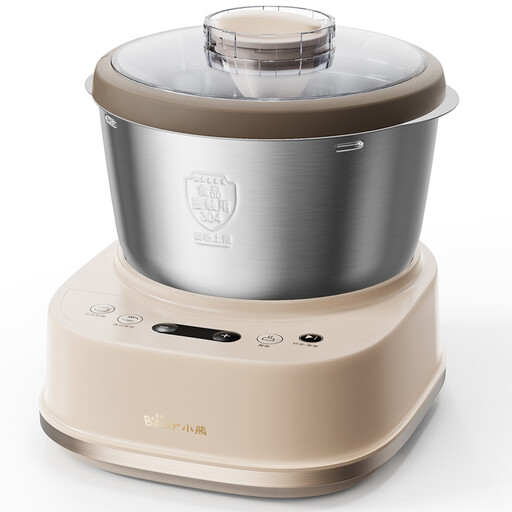
Why This Fits Their Persona: Its automatic kneading and fermentation programmes suit new home bakers who want to prepare dough without investing in a multi-purpose mixer.
The listing states a recommended dry-flour range of approximately 400–1600g, helping buyers distinguish working limits from the 5-litre bowl capacity.
5-litre stainless-steel bowl, automatic kneading and fermentation, 200W DC motor and stated 61dB operating noise.

Why This Fits Their Persona: A suitable choice for regular bakers who value integrated weighing, metal construction and the option to expand kitchen functions.
It provides stated maximum capacities and an in-built EasyWeigh function, making portion planning clearer than relying on wattage or bowl volume alone.
1200W digitally controlled motor, 4.6-litre stainless-steel bowl, pulse and fold functions and compatibility with over 25 optional attachments.

Why This Fits Their Persona: Its larger bowl and multiple speed settings are suited to households making bread, cakes, pastry and other batches regularly.
The tilt-head lock, suction feet and overheating protection address stability and motor-care concerns; users should still follow the stated domestic-use limits.
6.5-quart bowl, 10 speeds, three included attachments, splash cover and stated overheat protection.
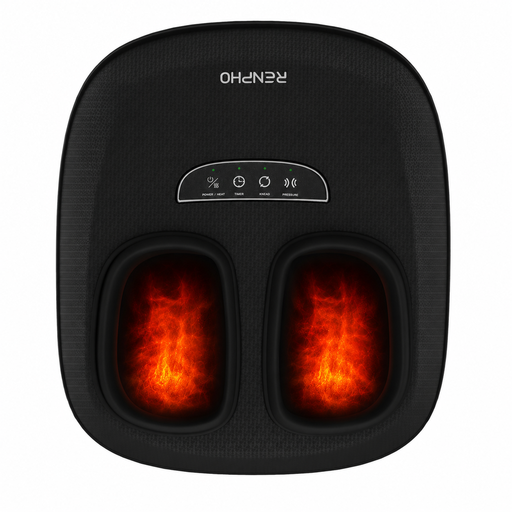
Why This Fits Their Persona: This foot massager suits people who spend long periods standing or want a simple seated relaxation routine at home.
It specifies separate heel and instep control, adjustable kneading and timer settings rather than presenting a generic list of massage modes.
Full-foot kneading, optional heat, removable washable cover and large control buttons.
We have compiled a complete, real-time list of products that fully satisfy these strict selection criteria and UK safety regulations.
Running cost depends on the appliance’s power rating and session duration. A 200W dough maker used for a short cycle will generally consume less electricity per use than a high-powered stand mixer operated for an extended period. For massagers, battery models can reduce cable clutter, while mains-powered products avoid regular recharging.
Lifespan depends on build quality, workload, cleaning and whether the mixer is used within its stated limits. Avoid repeatedly kneading quantities above the recommended maximum, allow the motor to cool when required and store the appliance in a dry location.
No. These products are designed for personal relaxation and should not be treated as medical devices or a substitute for professional care. Read the instructions carefully and seek medical advice if you have an existing condition, persistent symptoms or concerns about using heat or pressure.