
24/7 Customer Support

Free returns

Same-day & Next-day Delivery

Quality Guaranteed

Unlock Your Welcome Offers: FREE Delivery | Up to 80% OFF | Free 30-day JoyPlus trial
Download the APP
With more of us working and studying from home, the dining chair is no longer a viable option for long hours at a desk. Discomfort, back pain and poor posture are common complaints that stem from an unsuitable seating arrangement. A dedicated home office chair is not a luxury; it's a fundamental component of a productive and comfortable workspace.
Navigating the market can be overwhelming, with countless options all claiming to be the right choice. This guide is designed to help you understand the key features to look for and to present a few carefully selected options that cater to different needs and preferences, helping you make an informed decision for your home setup.
Before diving into specific models, it's helpful to know what separates a great chair from a mediocre one. Here are a few practical points to consider during your search.
No two bodies are the same, which is why a one-size-fits-all approach doesn't work for seating. An ergonomic desk chair should adapt to you, not the other way around. Look for an adjustable computer chair with several key customisation points:
The material of your chair affects both comfort and maintenance. A mesh office chair is a popular choice for its breathability. The open weave allows for excellent air circulation, keeping you cool during long sessions. On the other hand, upholstered options like a velvet desk chair can offer a plusher feel and add a touch of elegance to your room's decor. Consider your personal preference and the climate of your workspace.
A swivel chair with wheels provides the freedom to move around your workspace without straining. This is particularly useful if you need to access different parts of your desk or nearby filing cabinets. If you have limited space, consider an armless design or chairs with flip-up arms that can be tucked neatly under the desk when not in use.
Based on features, user feedback and overall value, here are our recommendations for your consideration.
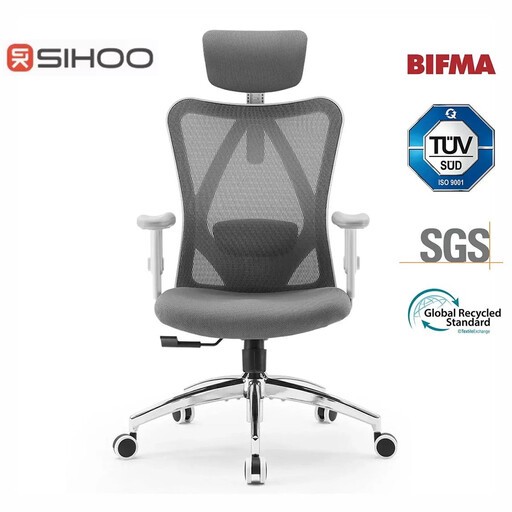
Why It Stands Out: The Sihoo M18 is built with a focus on comprehensive adjustability. It offers five distinct ergonomic settings, allowing you to fine-tune the chair to your specific body shape and posture needs. The high-quality breathable mesh backrest is a standout feature, promoting airflow to keep you comfortable even on warmer days.
Pros:
Who is it for? This chair is an excellent choice for professionals, students or anyone who spends the majority of their day seated and requires a high degree of personalised ergonomic support to maintain comfort and focus.
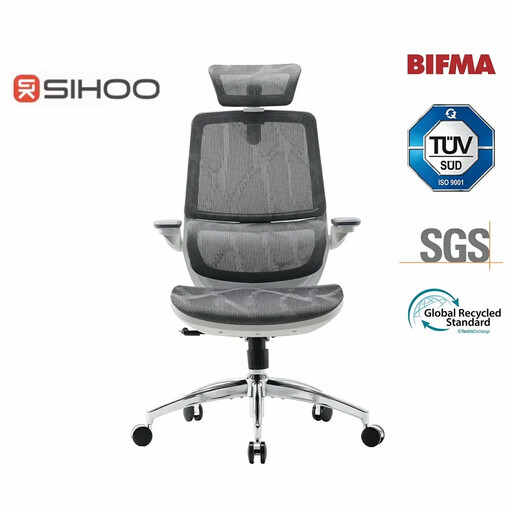
Why It Stands Out: The M59S model introduces an innovative dual-back design with adaptive lumbar support that moves with you, providing continuous support as you shift your posture. Its most practical feature for home use is the 80° folding armrests, which allow the chair to be pushed completely under a desk to save valuable floor space.
Pros:
Who is it for? This chair is well-suited for users in compact home offices or multi-purpose rooms where space is at a premium. It's also a great fit for those who appreciate a chair that actively supports them as they move.

Why It Stands Out: Proving that a comfortable study chair doesn't have to compromise on aesthetics, the HULALA HOME chair blends modern design with practical function. Upholstered in soft grey velvet with a stylish criss-cross metal base, it adds a sophisticated touch to any room while still providing necessary support for work or study.
Pros:
Who is it for? This chair is perfect for those who prioritise style and want a chair that seamlessly integrates with their home decor, such as in a bedroom, study nook or living area. It's a strong contender for users who need a chair for moderate periods of sitting.
A great chair is the first step towards an ergonomic workspace. If you're looking to complete your setup with a surface that is just as functional, consider upgrading your desk. Many people find that modern gaming desks offer the durability, generous surface area and cable management features that are also ideal for a productive home office.
To see options that could complement your new chair, explore our selection of desks.
Q1: How long should a good home office chair last? The lifespan of a home office chair depends on its construction, materials and frequency of use. Generally, a well-maintained chair can last anywhere from 5 to 10 years. Regularly checking and tightening screws and cleaning the upholstery can help extend its life.
Q2: Is a mesh office chair better than a fabric one? This comes down to personal preference. A mesh office chair offers superior breathability, which is a significant advantage for those who tend to feel warm while sitting for long periods. Fabric or velvet chairs often provide a softer, plusher feel and can offer more stylistic variety, but they retain more heat.
Q3: What is the most important feature in an ergonomic desk chair? While all adjustments are beneficial, arguably the most critical feature is adjustable lumbar support. Proper support for the lower back is essential for maintaining a healthy posture and preventing the chronic pain that can result from prolonged sitting. Following that, seat height adjustability is key to ensuring your feet, knees and hips are correctly aligned.