
24/7 Customer Support

Free returns

Same-day & Next-day Delivery

Quality Guaranteed

Unlock Your Welcome Offers: FREE Delivery | Up to 80% OFF | Free 30-day JoyPlus trial
Download the APP
Setting up a productive workspace at home is more than just finding a spare corner. The right home office desk is the foundation of your productivity, whether you're working full-time, freelancing from a small flat or creating a dedicated study area. With so many options available, choosing the right one can feel overwhelming. This guide is designed to cut through the clutter, offering practical advice to help you select a desk that fits your space, budget and working style.
We'll explore key considerations for UK homes and highlight a few recommendations that balance function, style and value.
Before you start browsing, a little planning goes a long way. Focusing on these three areas will help you narrow down your search for the ideal computer desk or study table.
The most common mistake is underestimating how much room a desk and chair actually occupy. Start by measuring the length, width and height of your intended area. Remember to account for:
This will help you decide whether you need a small desk for a bedroom or have the luxury of space for a large office desk.
How you use your desk dictates its most important features. An ergonomic desk setup is crucial for comfort and preventing strain during long hours.
Your desk should complement your home's decor, not clash with it. Materials play a big role in both aesthetics and durability.
Here are our recommendations for home office desks that cater to different needs, from expansive workspaces to compact corners.
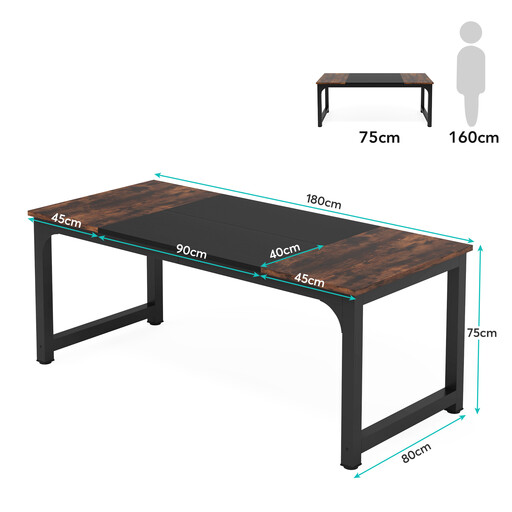
Why It Stands Out: This desk is all about space and strength. Its expansive surface and formidable weight capacity make it a standout choice for professionals with multi-monitor setups or those who need a shared workspace. The modern industrial design blends a rustic brown top with a solid black metal frame, offering a professional look for any home office.
Pros:
Who is it for? This is the ideal large office desk for remote workers, creatives or gamers who need a heavy-duty surface for extensive equipment. It also functions perfectly as a two-person workstation or a small conference table.
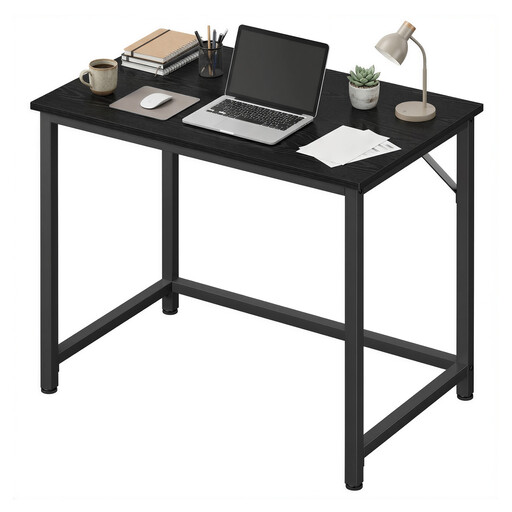
Why It Stands Out: This desk proves that you don't need a lot of space to create a functional work area. Its sleek, minimalist design and compact footprint make it a versatile choice for smaller rooms, student accommodation or as a secondary desk.
Pros:
Who is it for? Perfect for students, renters or anyone needing a small desk for a bedroom or a compact flat. It’s an excellent, no-fuss study table that delivers on function without overwhelming the room.
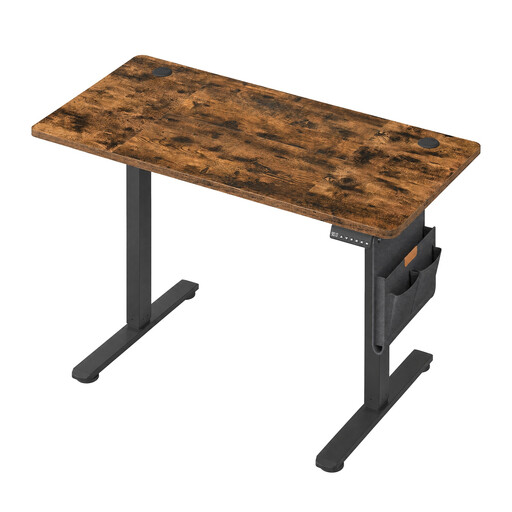
Why It Stands Out: This standing desk brings premium ergonomic features into the home office. The quiet electric motor allows for smooth transitions between sitting and standing, while the memory presets make it easy to switch to your preferred heights with a single touch. It’s a smart investment in your comfort and long-term well-being.
Pros:
Who is it for? This ergonomic desk is for anyone who spends long hours at their computer. It’s particularly beneficial for remote workers and freelancers looking to improve their posture, boost energy levels and create a more dynamic workspace.
If our top recommendations aren't quite what you're looking for, or if you have a specific aesthetic in mind, there are many other options to explore. For those who appreciate a modern, robust look, a black metal desk offers a timeless combination of durability and style.
? Explore our full collection of Black Metal Desks here
A good starting point for a single-monitor setup is a desk around 120 cm wide and 60 cm deep. This provides enough space for your screen, keyboard and some writing room. If you use two monitors or need more surface area for documents, consider a large office desk that is 140 cm or wider. For tight spaces, a small desk for a bedroom around 80-100 cm wide can be perfectly adequate.
For many people, yes. A height adjustable desk encourages you to change posture throughout the day, which can help reduce back pain, improve circulation and even boost focus. If you spend more than four hours a day at your desk, the ability to switch between sitting and standing is a valuable ergonomic feature.
This varies significantly by design and material. A compact desk might hold around 50 kg, which is sufficient for a laptop, monitor and a few books. A more robust desk with a steel frame, like the Tribesigns model mentioned, can support over 200 kg, making it suitable for heavy-duty equipment and multiple large monitors. Always check the manufacturer's specified maximum static weight capacity.