What to prioritise when choosing
Treat phone charging, broadcast information and lighting as separate jobs. UK Government Prepare campaign guidance suggests keeping a battery or wind-up radio at home for power cuts.
| Concern |
What to check when buying |
Who this matters to |
| Keeping a phone charged |
Match the phone connector to the bank and cable; compare tested device charges and recharge time rather than relying on rated capacity alone. |
If essential communication depends on a compatible, charged phone, I want to know what will connect and how I will recharge the bank. About 29% of consumers put phone charging first. |
| Receiving updates offline |
Check supported FM, AM or DAB bands against useful local stations, then test reception where the radio will be used. Check its battery type or charging method. |
If home internet may be unavailable, I want a radio that receives useful broadcasts in my area and has a power source I can maintain. About 24% of consumers prioritise offline information. |
| Having separate light |
Compare brightness and runtime in the same operating mode, and check the beam options and power source. |
When I need light without using my phone battery, I want to understand how long the torch runs at the brightness I will use. About 18% of consumers put lighting first. |
| Keeping stored equipment ready |
Check the maker’s charging instructions, battery condition and required spare cells; test the assembled kit periodically. |
If equipment will stay in a cupboard, I want a clear routine for checking its charge or keeping the right spare batteries. About 18% of consumers prioritise kit readiness. |
| Carrying the kit |
Check size, weight and connector compatibility. For air travel, check the power bank’s stated Wh rating and current airline requirements. |
If I may need to carry the kit or take it on a flight, I want it to fit my needs without overlooking the separate rules for flying with a power bank. About 11% of consumers prioritise portability. |
For flights, UK Civil Aviation Authority guidance says power banks must travel in cabin baggage, limits passengers to two and prohibits recharging them on board. Check the bank’s stated Wh rating and your airline’s requirements before travelling; these flight conditions are not a general limit on a home kit.
Joybuy product choices
These choices focus on portable phone charging: power banks and cables for devices with compatible connectors.
 No image available
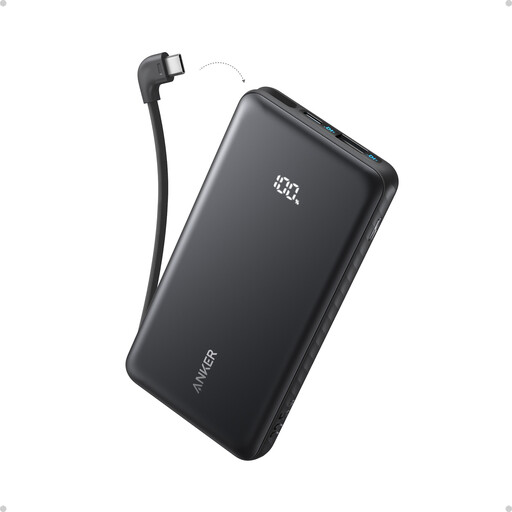
Anker Zolo Power Bank, 10,000mAh, 22.5W, with built-in USB-C cable
For keeping a compatible USB-C phone charged with a power bank that has an integrated cable.
Rated capacity: 10,000mAh. Output: 22.5W. The built-in cable is USB-C; a device with a different connector needs a compatible cable.
View on Joybuy
 No image available
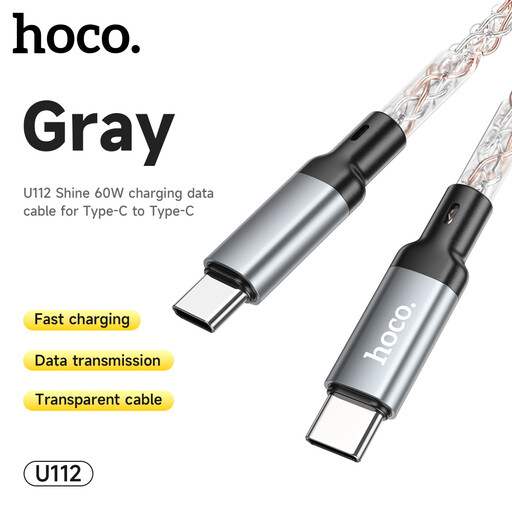
HOCO U112 USB-C to USB-C charging cable, up to 60W
For connecting a USB-C power source to a USB-C device when both ports match.
USB-C to USB-C; specified support up to 60W. Check both connected devices have USB-C ports.
View on Joybuy
 No image available
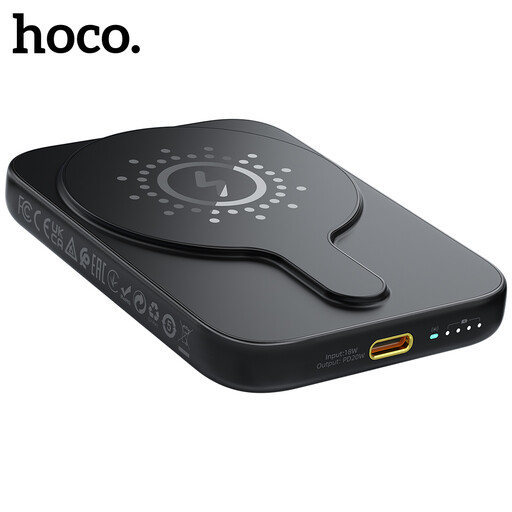
HOCO J117 Esteem 5,000mAh magnetic power bank, black
For a MagSafe-compatible device when magnetic wireless charging suits your setup.
Rated capacity: 5,000mAh. The magnetic wireless charging feature is described for MagSafe-compatible devices.
View on Joybuy
 No image available
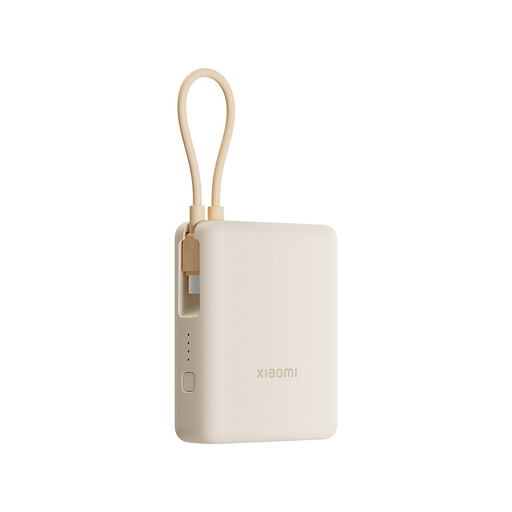
Xiaomi 33W Power Bank, 10,000mAh, integrated cable, tan
For a charging kit where an integrated cable is useful for connecting a compatible device.
Rated capacity: 10,000mAh. The product name specifies 33W and an integrated cable.
View on Joybuy
 No image available
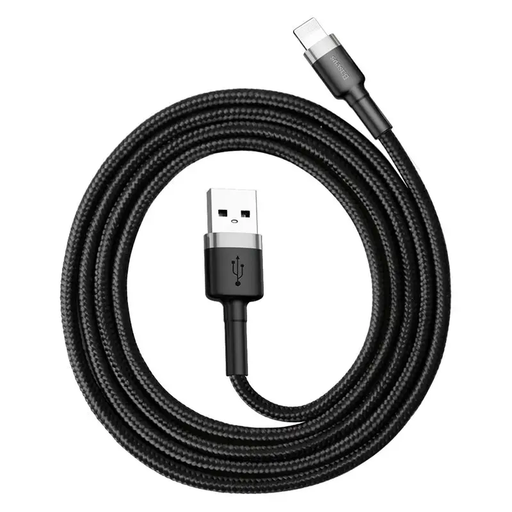
Baseus Cafule USB-A to USB-C cable, 1 metre
For connecting a USB-A power-bank output to a USB-C device.
Length: 1 metre. Specified maximum current: 3A, dependent on the source supporting high-current output. Check that the device and power source have the required ports.
View on Joybuy
Frequently asked questions
Will a charged phone and power bank guarantee I can make a call during a power cut?
No. UK Government Prepare campaign guidance warns that a mobile phone may stop working if a local mast is affected. Keep the power bank charged, but do not treat consumer charging equipment as a substitute for emergency-service instructions.
Do I need DAB to hear useful radio updates?
Not necessarily. Check which stations and frequencies are useful where you live, match those bands to the radio and test reception in the intended room. The Sony ICF-P27 supports FM/AM, while a radio specifically needed for DAB or DAB+ must support those bands.
How should I maintain a rechargeable bank or torch in a stored kit?
Follow the manufacturer’s charging instructions and test the assembled kit periodically. Mid and West Wales Fire and Rescue Service advises using the correct charger, charging on a hard surface while nearby, and stopping use of swollen, damaged or overheating lithium-ion batteries. Charging intervals depend on the product’s instructions.
Can I put my emergency power bank in checked baggage when flying?
No. UK Civil Aviation Authority guidance says power banks must travel in cabin baggage, limits passengers to two and says they must not be recharged on board. Its guidance requires airline approval for power banks from 100Wh to 160Wh and prohibits those over 160Wh in passenger baggage. Check the bank’s stated Wh rating and your airline’s requirements; these are flight conditions, not a general home-kit capacity limit.
What should I check about returns and warranty?
Check the seller’s terms and the warranty for the specific product. For UK online purchases, GOV.UK guidance says customers can generally notify the retailer of cancellation within 14 days of receipt and have a further 14 days to return the item. Faulty or misdescribed goods have separate remedies.


