
24/7 Customer Support

Free returns

Same-day & Next-day Delivery

Quality Guaranteed

Unlock Your Welcome Offers: FREE Delivery | Up to 80% OFF | Free 30-day JoyPlus trial
Download the APP
A home security camera can help you check an entrance, watch a pet, monitor a child’s room or keep an eye on a driveway from your phone. However, the headline specification does not always tell the full story. A high-resolution camera may still be inconvenient if it only works with a subscription, while a “wireless” outdoor model may need frequent charging or have limited Wi-Fi range.
Before buying home security cameras, check how the camera will fit your property, internet connection, storage preferences and daily routine.
A wireless security camera usually connects over Wi-Fi, but it may still require a mains cable. Battery-powered models avoid a permanent power lead, but their recording frequency, detection settings and weather conditions affect how often they need charging. Solar security cameras can reduce manual charging, although the panel still needs suitable exposure to daylight and a clear installation position.
Some cameras support local microSD recording without a monthly fee, but cloud backups, thumbnail previews or extended video history may cost extra. Always check whether the advertised free feature refers to AI detection, local recording or cloud storage. For example, a camera may offer free person detection while charging separately for cloud video storage.
A 4K or 2.5K image can provide more detail, but it does not automatically cover a wider area. A fixed camera may leave blind spots, whereas a pan and tilt camera can be controlled remotely. For driveways and gardens, also consider the lens angle, night visibility, mounting height and whether motion tracking keeps a moving subject in view.
An indoor security camera is designed for rooms, shelves and desks. It may include features such as baby-cry detection, pet monitoring, privacy modes and two-way audio. An outdoor security camera needs a suitable weather-resistance rating, securely protected power connections and mounting hardware appropriate for brick, wood or rendered walls.
IP ratings are useful indicators: IP65 protects against dust and water jets, while IP66 offers a higher level of water-jet protection. Neither rating means the camera should be submerged, placed in standing water or left with exposed electrical connections. Check the manufacturer’s installation guidance before mounting.
Basic motion detection can react to trees, shadows, passing vehicles or pets. An AI person detection camera may distinguish people from other movement, while some models also identify vehicles, animals or sounds such as a baby crying. Customisable activity zones are useful for ignoring pavements, busy roads or a swaying garden gate.
Detection is not a guarantee that every event will be identified correctly. Adjust sensitivity and review notification settings after installation to reduce unnecessary alerts.
A Wi-Fi security camera may use 2.4GHz, 5GHz or both. The 2.4GHz band generally travels further through walls, while 5GHz can offer faster local connections at shorter range. Check your router location and test signal strength at the proposed camera position.
For storage, compare microSD capacity, continuous recording support and cloud charges. A no subscription security camera may still require you to buy a memory card separately. If you need 24/7 footage, choose a camera and card designed for continuous recording rather than relying only on short motion clips.
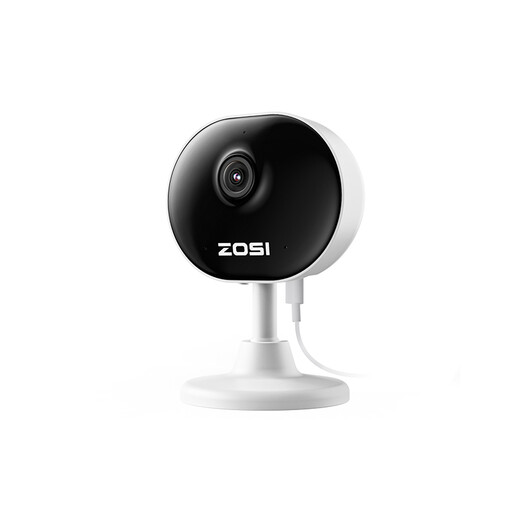
Why This Fits Their Persona: This compact indoor model suits renters, pet owners and anyone wanting app-based monitoring without installing a larger system.
It supports local microSD recording and adjustable motion zones, helping buyers avoid depending entirely on paid cloud storage or overly sensitive alerts.
1080p video, 33-foot night vision, two-way audio and support for 2.4GHz Wi-Fi.
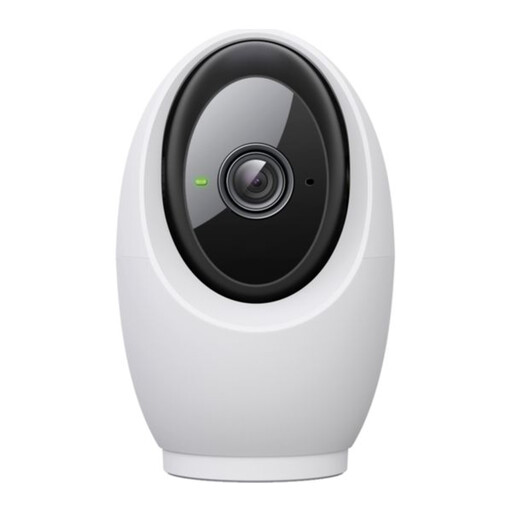
Why This Fits Their Persona: A strong fit for households wanting detailed indoor views, smart alerts and remote control over a larger room.
Its physical privacy mode blocks the lens, while activity zones help focus alerts on relevant areas rather than every movement.
4K 8MP resolution, 360° horizontal and 116° vertical movement, AI detection and microSD support up to 512GB.
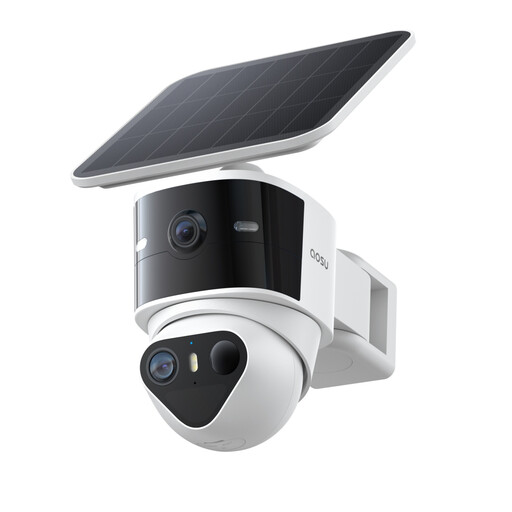
Why This Fits Their Persona: Designed for driveways, front gardens and larger outdoor areas where broad coverage and reduced charging are priorities.
The dual-camera design combines a fixed wide-angle view with a PTZ camera, reducing reliance on one narrow viewing angle.
3K dual-lens video, 360° PTZ, solar charging, person and vehicle detection, IP65 weather resistance and local storage up to 256GB.
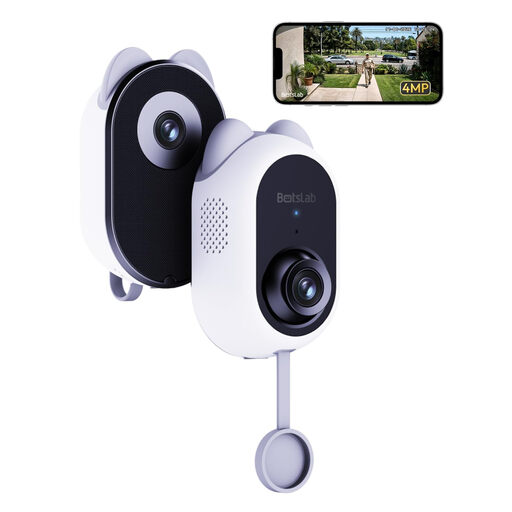
Why This Fits Their Persona: Its adhesive window mounting suits flats and rented homes where drilling into walls is not practical.
The rear lens is designed for outdoor viewing through glass, while the front lens can be covered for added indoor privacy.
4MP video, anti-glare lens design, dual-band Wi-Fi, 24/7 microSD recording up to 512GB and two-way talk.
We have compiled a complete, real-time list of products that fully satisfy these strict selection criteria and UK safety regulations.
Position cameras so they cover your own property wherever possible. Avoid pointing an indoor or outdoor camera directly towards neighbours’ windows, shared spaces or public areas unless you have considered the relevant privacy requirements. The Information Commissioner’s Office provides guidance on domestic CCTV and data protection responsibilities.
Use strong, unique passwords, enable app security features and keep firmware updated. Mount outdoor cameras securely, protect power connections from rain and test the live view before finalising the installation.
Most app-controlled models need Wi-Fi for remote viewing and phone alerts. Some outdoor CCTV systems can use Ethernet, while local recording may continue during a temporary internet interruption depending on the model. Check whether your chosen camera supports 2.4GHz, 5GHz or wired networking.
The recording period depends on resolution, motion frequency, microSD capacity and whether the camera records continuously. A larger card stores more footage, but it can eventually fill and overwrite older files. If footage may be needed later, back up important clips promptly.
They can avoid monthly cloud charges when recording to a compatible microSD card, but the card is usually purchased separately. Optional cloud services, advanced alerts or image previews may still involve fees. Read the storage terms before buying rather than relying on the product title alone.