
24/7 Customer Support

Free returns

Same-day & Next-day Delivery

Quality Guaranteed

Unlock Your Welcome Offers: FREE Delivery | Up to 80% OFF | Free 30-day JoyPlus trial
Download the APP
Choosing home security devices for a UK property can seem straightforward until you compare subscription fees, Wi-Fi requirements, installation limits and weather ratings. A camera may advertise high resolution but offer limited storage, while a bright outdoor light may perform poorly if its solar panel receives little daylight.
The right choice depends on the area you want to protect, how you plan to monitor it and what ongoing costs you are comfortable with. This guide explains the main pitfalls, specifications and product matches to consider before buying.
Some security cameras offer free motion detection but charge for cloud recording. Others allow local recording to a microSD card but sell the card separately. Check whether the advertised “no-subscription” feature applies to AI motion detection, live viewing, alerts or recorded footage.
For households wanting 24/7 recording, local storage can reduce recurring costs, but you will need to check card capacity, overwrite settings and the risk of losing footage if the camera is damaged.
A 2K or 2.5K label does not tell you everything. Field of view, night vision, image processing, Wi-Fi stability and camera positioning also affect useful footage. A lower-resolution camera installed in the right location may be more practical than a higher-resolution model facing glare or a weak wireless signal.
For outdoor use, check for a genuine weather-resistance rating and protect power connections separately. An IP66 waterproof security camera, for example, is designed to resist powerful water jets but is not intended for submersion.
A solar security light, motion sensor floodlight or outdoor alarm siren can increase visibility and act as a deterrent, but these products should complement sensible locks, window security and careful access control. Lights also need suitable positioning: a sensor aimed at a busy pavement may trigger frequently, while a panel installed in shade may not charge effectively.
For an outdoor security camera, compare the viewing angle, pan-and-tilt range and detection distance rather than focusing only on megapixels. A wide-angle or dual-lens design can reduce blind spots. Look for adjustable detection zones if the camera faces trees, roads or communal areas.
Useful features include:
A Wi-Fi CCTV camera may use 2.4GHz, 5GHz or both. The 2.4GHz band generally travels farther through walls, while 5GHz can offer higher speeds at shorter distances. Dual-band support can be helpful, but neither option solves a weak router signal at the installation point.
Before ordering, establish:
A no-subscription security camera usually means that core functions can operate without a monthly plan, not that every storage or advanced feature is free.
For external products, check the IP rating, mounting method, cable protection and exposure to rain. Solar lights should be positioned where the panel receives sufficient direct daylight. Their stated brightness is measured in lumens, but the actual spread depends on the lens and angle.
For indoor carbon monoxide protection, choose a detector that clearly identifies its intended use and standard. The WISUALARM model below is listed as complying with EN 50291 and is designed for carbon monoxide, not natural gas or methane. Follow the manufacturer’s placement instructions and test the alarm regularly.

Why This Fits Their Persona: A practical starting point for renters and homeowners who want improved visibility around a garden, driveway, porch or garage without wiring to the mains.
It uses solar power rather than requiring electrical wiring, while the IP65 rating provides resistance to dust and water jets. Positioning still matters for charging performance.
302 LEDs, stated 3000-lumen output, three heads, a 270° coverage range and a 60-foot detection distance.
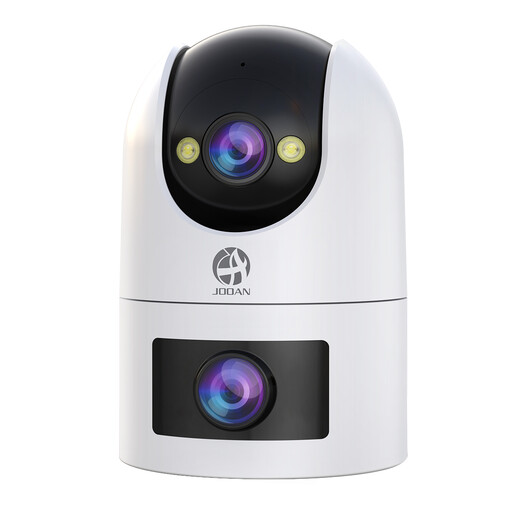
Why This Fits Their Persona: Suitable for property owners who want one camera for wider outdoor coverage, remote viewing and flexible recording options.
It supports both 2.4GHz and 5GHz Wi-Fi and offers microSD recording, so buyers can review storage choices before paying for cloud services.
Dual lenses, 360° PTZ viewing, IP66 weather resistance, colour and infrared night vision, built-in siren and support for up to 256GB microSD storage.
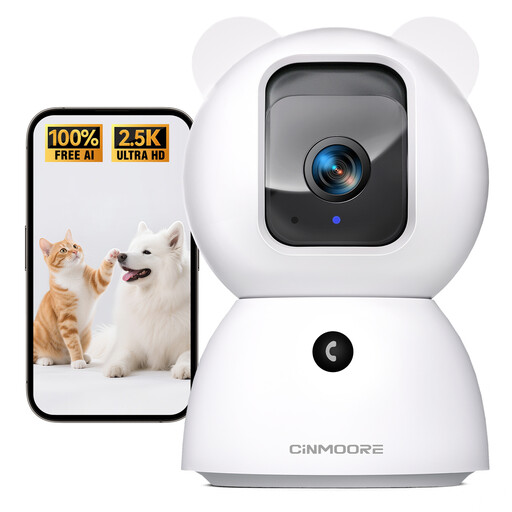
Why This Fits Their Persona: A flexible indoor option for families monitoring a baby, older relative or pet, especially where local recording and app access are priorities.
The listing identifies free local person, pet and baby-cry detection, while cloud storage is separately described as chargeable. It supports a microSD card up to 256GB.
2.5K video, pan-and-tilt control, IR and colour night vision, full-duplex two-way audio and 2.4GHz Wi-Fi support.
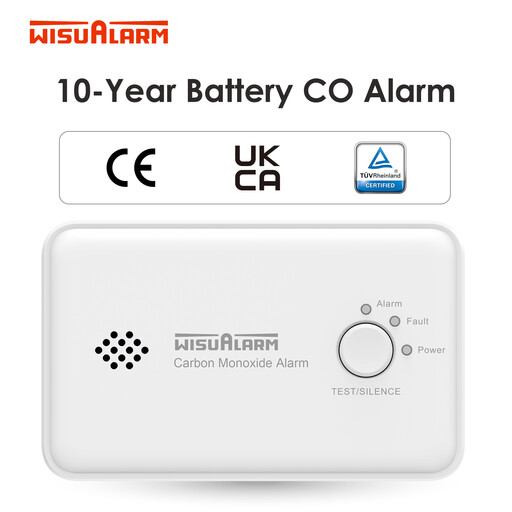
Why This Fits Their Persona: Appropriate for households wanting a dedicated indoor carbon monoxide alarm alongside cameras, lights or an existing alarm system.
Its product information states that it detects carbon monoxide only, not methane or natural gas, helping buyers avoid choosing the wrong detector type.
10-year battery specification, test and silence button, 85dB alarm at 3 metres and stated EN 50291 compliance.
Before installing a camera, assess whether it captures a public footpath, neighbouring garden or another person’s private area. Aim cameras only where necessary and use privacy masking or activity zones where available. Landlords and small-business owners should also consider signage, access to recordings and appropriate data-handling practices.
For renters, window-mounted or adhesive indoor cameras can avoid drilling. For outdoor devices, use suitable fixings for brick, render or timber, keep mains connections dry and mount equipment high enough to reduce tampering. Test notifications from the intended Wi-Fi location before permanently fixing the device.
We have compiled a complete, real-time list of products that fully satisfy these strict selection criteria and UK safety regulations.
Not always. Some models support local microSD recording and basic alerts without a monthly plan. However, cloud backup, extended storage or certain advanced functions may cost extra. Read the storage terms carefully before buying.
Many DIY cameras include wall-mounting hardware and app setup instructions. You still need a stable Wi-Fi signal, a protected power connection and a suitable mounting surface. Check the IP rating limitations and avoid positioning the camera where it intrudes on neighbours’ privacy.
Battery life varies by device and usage. Solar lights depend on daylight, operating mode and motion frequency. A carbon monoxide detector may specify a long battery period, but it should still be tested according to the instructions. Cameras that record continuously generally require a permanent power supply rather than relying on small rechargeable batteries.