Desk-based focus workers
For someone trying to concentrate through nearby activity, an around-ear fit and adjustable ANC may matter more than a compact design. Comfort over the intended work session still needs checking.


For concentrated listening at a desk, consider over-ear active noise cancellation (ANC); choose earbuds when compactness and moving between rooms matter more, or a wired headset when computer calls are the priority. Passive isolation is another option if you prefer to rely on a physical seal rather than powered ANC. Check fit, microphone performance and connections separately: reducing what you hear does not establish what callers will hear, and headphones do not resolve the underlying disruption.
For someone trying to concentrate through nearby activity, an around-ear fit and adjustable ANC may matter more than a compact design. Comfort over the intended work session still needs checking.
If colleagues need to hear you over activity at home, assess the outgoing microphone and your meeting setup separately from the noise reduction you hear.
For calls, reading or media away from a fixed desk, compact earbuds may appeal. An in-ear seal, comfort and listening time per charge become important checks.
Start with the task most affected by the disruption: concentrating, being heard on calls, moving around or connecting to a work computer. Then check fit and the features needed for that task; over-ear ANC, earbuds, wired headsets and passive-isolating designs need not solve it in the same way.
| Concern | What to check | Who this matters to |
|---|---|---|
| Sustained concentration | Check the seal and comfort for a full work block, plus ANC controls if choosing a powered model. Passive isolation depends on the physical fit; ANC cannot be assumed to remove every household or building sound. | When nearby noise interrupts desk work or reading, I want listening to feel less distracting without expecting the headphones to stop the noise itself; around 36% of consumers would put sustained concentration first. |
| Being heard on calls | Check the stated microphone design and test voice pickup in your usual call location. For a work headset, confirm the exact meeting-platform and computer compatibility. | If activity at home makes it harder for colleagues to hear me, clear outgoing voice matters more than quiet listening alone; roughly 29% of consumers would prioritise call clarity. |
| Portable listening | For earbuds, check the supplied fit options, comfort and single-charge listening time with ANC enabled, rather than relying only on a case battery figure. | Moving between rooms or listening during breaks makes a compact option more useful to me, provided the in-ear fit works; about 21% of consumers would put portability first. |
| Wired computer setup | Confirm the connector, any supplied adapter, cable reach and the precise Teams or UC variant where applicable. | I mainly take calls at one computer and want a connection that fits that desk arrangement, even if a cable limits movement; around 14% of consumers would make wired setup their main concern. |
Active noise control can help with some low-frequency noise, but its effect varies with the sound and the system. A comfortable physical seal also matters, whether the headphones use ANC or passive isolation.
Choose for the sounds and session that concern you, assess the fit, and review the retailer's fit-related return terms before ordering.
ANC reduces sound reaching the wearer; microphone pickup and outgoing noise processing are separate features. A quieter listening experience does not establish that colleagues will hear your voice clearly.
Check the microphone description and computer compatibility, then assess voice quality in your usual call location if you can.
The UK Health and Safety Executive warns that isolation can make warning signals and communication harder to hear.
Use an awareness mode, if the model has one, or remove the headphones when you need to hear alarms or someone requiring your attention.
A connector, supplied adapter and conferencing compatibility can differ by version. A cable also restricts how far you can move from the computer.
Match the exact Teams or UC version to your setup and check that the listed cable length reaches your usual desk position.
These brands illustrate different product routes, not a ranking of their ranges. Check the specifications of the particular model and version before deciding.
QuietComfort Ultra Headphones illustrate the wireless, around-ear ANC route for desk listening.
WH-1000XM6 represents an over-ear ANC route, while WF-1000XM6 represents sealing ANC earbuds.
AirPods Pro 3 illustrate the compact ANC-earbud route for consumers comfortable with an in-ear design.
Zone Wired 2 illustrates a USB headset route for calls from a fixed work computer.
These choices cover wired computer calls, over-ear ANC listening and portable ANC earbuds. Choose by your main task and check fit, connection and call performance for your own setup; the products below are not a test of which approach blocks home noise most effectively.
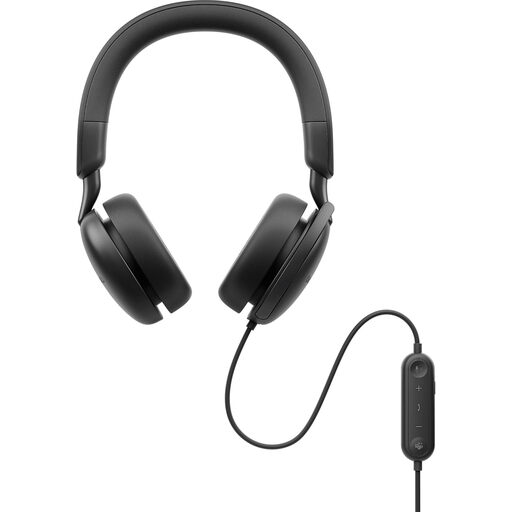 No image available
Consider this wired headset for calls from a fixed desk. Check that its connection suits your computer and assess outgoing voice quality in the room where you work; ANC alone does not answer the call-quality question.
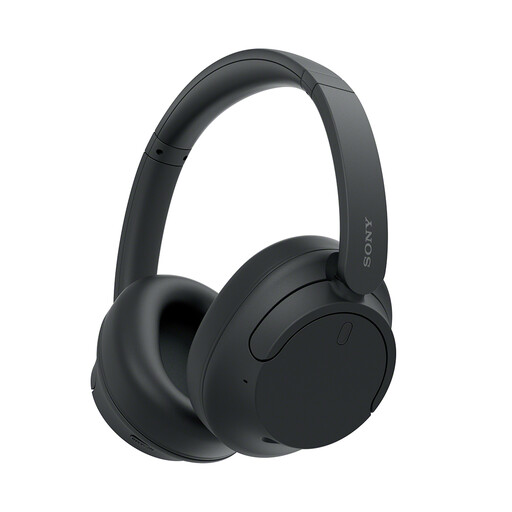 No image available
For desk listening, this model offers the over-ear ANC form factor. Check how the fit feels over your intended work session, and assess the microphone separately if calls are important.
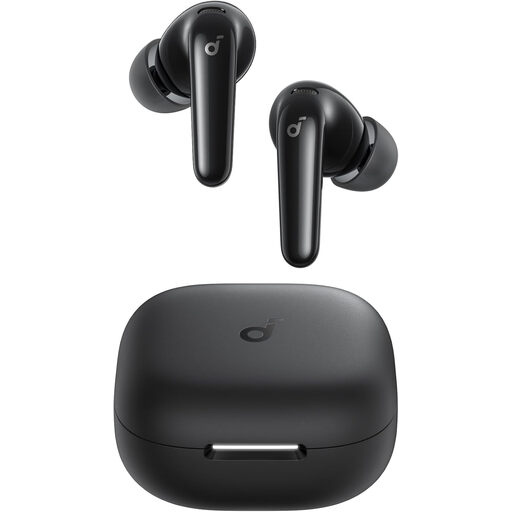 No image available
For listening away from a fixed desk, the earbud design is the compact option here. Check the in-ear seal and comfort before relying on it through a long session, and confirm compatibility with devices used for calls.
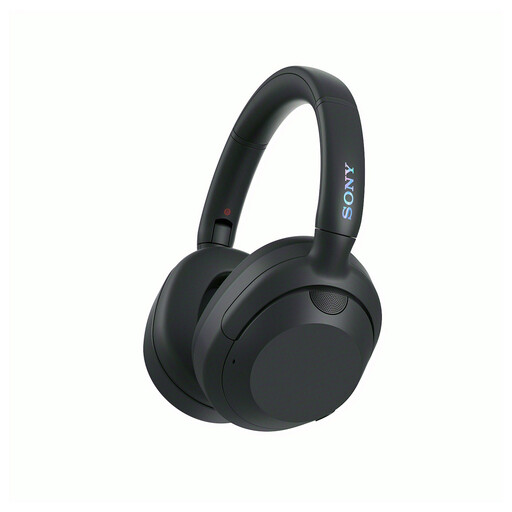 No image available
Consider this over-ear ANC model for desk listening rather than assuming it will also meet meeting-heavy call needs. Check long-session fit and the outgoing microphone performance that matters in your room.
 No image available
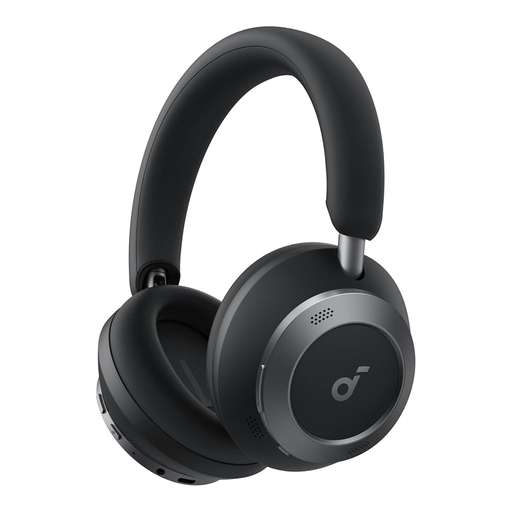
For focused desk listening, the product title specifies adaptive ANC and associates six microphones with its noise-cancelling design. Assess fit for your intended session, and check call and awareness features separately if either is essential.
No. Passive isolation comes from the physical seal, while active noise control generates an opposing signal. Research published in Building Acoustics describes active control as useful for some low-frequency noise problems, not as a way to remove every building or household sound; check both fit and ANC controls.
Not necessarily: listening-side ANC and outgoing microphone processing do different jobs. Check the microphone design and, for work calls, the exact computer and meeting-platform compatibility. Assess voice quality in your usual room if possible.
Match the connector, any adapter, cable reach and headset variant to your computer and meeting platform. For example, Logitech lists USB-C, a supplied USB-A adapter and a 1.9 m cable for Zone Wired 2; confirm the compatibility of the particular Teams or UC version you choose.
No: do not treat consumer ANC headphones as a substitute for controlling a workplace noise risk. The UK Health and Safety Executive advises that hearing protection should not replace technical and organisational controls and warns that isolation can make warning signals harder to hear. If noise exposure is part of an employer-managed work situation, raise it with your employer.