Home workers with short lunch breaks
A tinned soup can be kept in the cupboard for a break that moves between meetings. Check the pack’s heating instructions and serving count before relying on it as the whole lunch.


Choose a tinned soup when you want a cupboard lunch ready for an unpredictable break; choose a chilled soup when you can refrigerate it and use it within its stated life. A premium range name does not establish how the soup will taste or whether one pack makes a suitable lunch, so compare the recipe, serving count and current label before deciding.
A tinned soup can be kept in the cupboard for a break that moves between meetings. Check the pack’s heating instructions and serving count before relying on it as the whole lunch.
Ingredient-led tinned recipes and chilled soups offer different storage and portion arrangements. Compare the individual recipes rather than assuming that a premium range name describes the eating experience.
Salt, ingredients, allergens and dietary suitability need to be assessed for the exact soup and intended portion. The current pack matters particularly when a familiar product may have been reformulated.
Start with storage and preparation, then check whether the recipe and intended portion work for your lunch.
Choose it when: You want cupboard storage and a particular recipe, such as the chicken and sweetcorn in Sainsbury’s Taste the Difference chowder.
Bear in mind: Premium positioning is not a taste guarantee; Sainsbury’s lists its 380g chowder as two servings.
Choose it when: A shelf-stable vegetable-led or chunky recipe matters more to you than the range name.
Bear in mind: Check the intended portion: Tesco Groceries lists 1.1g salt per half-can for Heinz Big Soup Chunky Veg 400g.
Choose it when: You want a chilled recipe and have fridge space and a definite plan to eat it.
Bear in mind: Chilled soup is not a cupboard backup; Sainsbury’s gives its Moroccan Style Chicken & Chickpea Soup a typical life of seven days.
| Priority | What to check | Your needs |
|---|---|---|
| Storage and heating | Check whether the soup belongs in a cupboard or fridge. Read the pack’s heating method and instructions against the time and equipment available. | I need lunch available when a meeting ends, without depending on a shopping trip or a lengthy preparation window. |
| Portion and recipe | Compare the pack weight with its stated serving count, then look at the actual ingredients and whether you want an accompaniment. Sainsbury’s lists its 380g Chicken & Sweetcorn Chowder as two servings. | A chunky recipe appeals to me, but I want to know whether the portion I intend to eat works as lunch. |
| Salt and allergens | Compare salt using the portion you intend to eat, not just the printed serving. Check the current ingredients and highlighted allergens for the exact variant. | If I am comparing labels or avoiding an ingredient, I need the figures and allergen details for the soup actually in my kitchen. |
| Premium positioning | Compare the individual recipes, pack sizes and storage instructions. A premium range name alone does not establish taste or make a chilled soup interchangeable with a tin. | I may want a more distinctive lunch, but cupboard flexibility could matter more on an unpredictable workday. |
Premium identifies how a range is positioned, not how an individual soup will taste. Tinned and chilled products can also differ in storage and serving count.
Choose the storage format first, then compare recipes and labels for the soups you would actually eat.
Sainsbury’s lists its 380g Taste the Difference Chicken & Sweetcorn Chowder as two servings. Eating the whole can changes the basis on which to read its nutrition information.
Check the serving count and assess the amount you intend to eat, with any accompaniment.
Tesco Groceries lists 1.1g salt per half-can for Heinz Big Soup Chunky Veg 400g, equivalent to 2.2g for the whole can. Sides also form part of the lunch.
Compare labels on the same intended-portion basis, particularly when adding bread, cheese or another savoury side.
Tesco Groceries notes that food products can be reformulated, including changes to ingredients, nutrition and allergens.
For allergies or other strict dietary requirements, read the current physical pack rather than relying on a previous purchase or website filter.
These examples illustrate recipes and formats to compare; a brand name alone does not settle the lunch choice.
Its Big Soup range offers a chunky tinned option alongside smoother soup styles.
A condensed-soup alternative within Tesco Groceries’ tinned-soup selection.
Tesco Groceries’ tinned-soup range provides a place to compare different branded cupboard options.
Its Taste the Difference examples include both tinned chowder and chilled soup.
M&S Collection includes tinned recipes with distinctive flavour names.
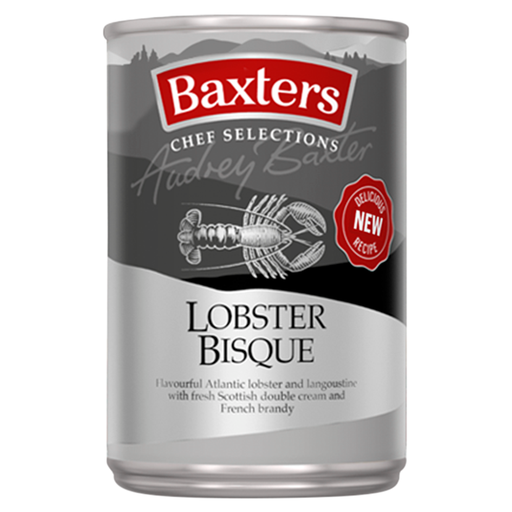
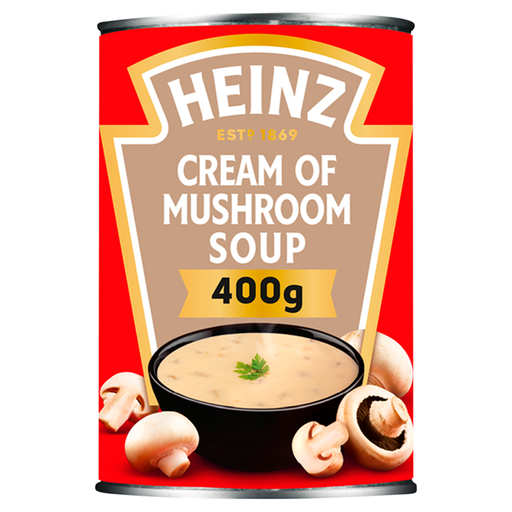
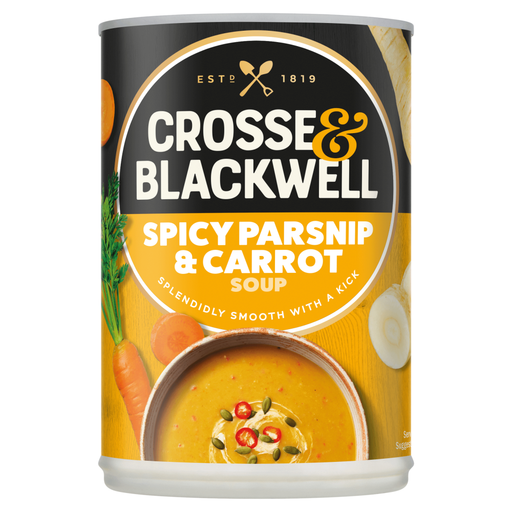
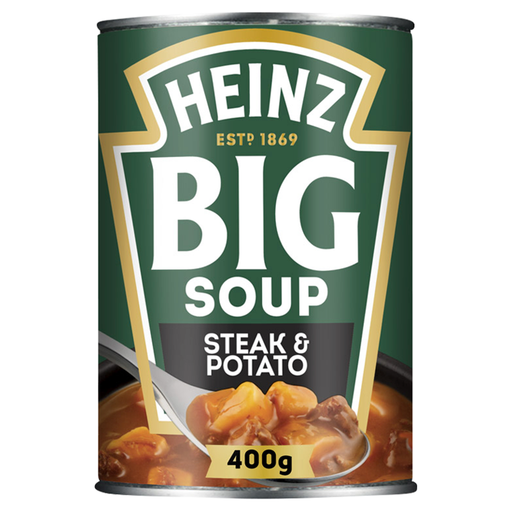
These tins cover a bisque, chunky beef-and-vegetable recipes, a smooth mushroom soup and a spiced vegetable recipe. Compare each one with your preferred portion and preparation routine rather than treating them as interchangeable premium choices.
 No image available
Consider this lobster bisque if you want a different recipe from a vegetable or mushroom soup for lunch. It contains crustaceans, milk, sulphites and celery; check the current pack if these allergens matter.
No image available
This beef-and-vegetable tin is a mainstream option if you prefer that recipe to a bisque. The can is labelled as two servings, so check your intended portion and whether you want a side.
 No image available
Choose this mushroom soup if its smooth recipe suits your lunch plans. The can is listed as two servings and contains milk and wheat (gluten); check the current pack if either allergen matters.
 No image available
This parsnip-and-carrot recipe offers another vegetable-led lunch option. Check the serving count and heating instructions when planning a short break; it contains celery, milk and wheat.
 No image available
This steak-and-potato soup is a mainstream alternative to the bisque. Before choosing it for a tightly timed lunch, check the current pack for its serving count, heating method and unopened storage instructions.
Not automatically: check the serving count and the portion you intend to eat. Sainsbury’s lists its 380g Taste the Difference Chicken & Sweetcorn Chowder as two servings, so decide whether your portion calls for an accompaniment.
Choose chilled soup when you have fridge space and a plan to eat that recipe within its stated life. For example, Sainsbury’s gives its chilled Moroccan Style Chicken & Chickpea Soup a typical life of seven days; a tin better serves a cupboard-backup plan.
Use the same basis for both: the amount you intend to eat, rather than the printed serving alone. Tesco Groceries lists 1.1g salt per half-can for Heinz Big Soup Chunky Veg 400g, which is 2.2g if you eat the whole can.
Check the current physical pack instead. Tesco Groceries notes that reformulation can change ingredients, nutrition and allergens, which matters when an ingredient must be avoided.
Read the exact pack’s heating and serving instructions before relying on it for a tightly timed lunch. Make sure the stated method matches the appliance you can use, and follow the pack’s directions when preparing it.