
24/7 Customer Support

Free returns

Same-day & Next-day Delivery

Quality Guaranteed

Unlock Your Welcome Offers: FREE Delivery | Up to 80% OFF | Free 30-day JoyPlus trial
Download the APP
Setting up or upgrading your home gym is an exciting step. Yet, the sheer volume of home workout accessories on the market can be overwhelming. It's easy to fall for marketing hype and end up with equipment that gathers dust or, worse, hinders your progress. As a Joybuy Product Recommendation Officer, my role is to help you sidestep these issues and find gear that genuinely supports your fitness goals.
Before you add anything to your basket, let's look at a few common purchasing traps that catch out even savvy shoppers:
To make an informed choice, focus on a few core parameters rather than flashy marketing claims. These are the details that determine whether a piece of home gym gear will be a reliable partner in your workouts.
The material of your equipment directly impacts its performance, durability and safety.
For equipment like resistance bands, versatility is everything. A single band limits your ability to target different muscle groups effectively or to increase the challenge as you get stronger. A set that includes multiple bands—typically light, medium and heavy—is far more practical. This allows you to use a lighter band for warm-ups or smaller muscles and a heavier one for compound movements like squats, ensuring you can continue to progress over time.
When it comes to core training equipment like an ab roller, stability is paramount for both safety and effectiveness. A common design flaw is a narrow, wobbly wheel that makes it difficult to maintain control, increasing the risk of injury. Look for an ab roller with a wider wheel base, as this provides a more stable platform for rolling. Additionally, handles with a comfortable, non-slip grip are essential for maintaining proper form throughout the movement.
Based on these practical criteria, here are a few items matched to different user needs.
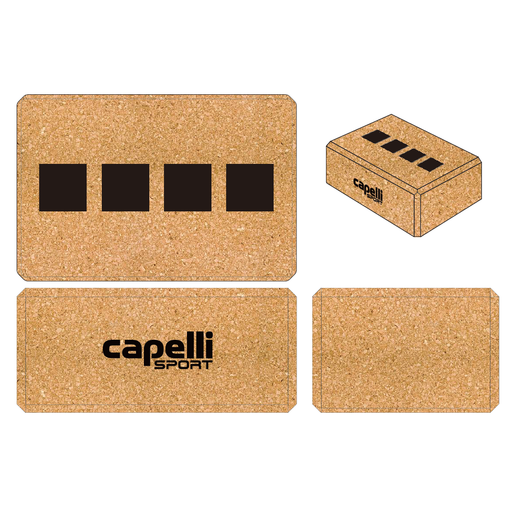
Why This Fits Their Persona: For the practitioner who values stability and natural materials, this block is an ideal upgrade. It provides the firm, grounded support needed for advanced balancing poses and deep stretches, enhancing a regular yoga or Pilates practice.
This directly counters the "unstable block" pitfall. Its natural cork construction is dense and firm, providing reliable support without compressing under weight.
Excellent stability and a naturally non-slip surface. The beveled edges ensure a comfortable and secure grip during transitions.
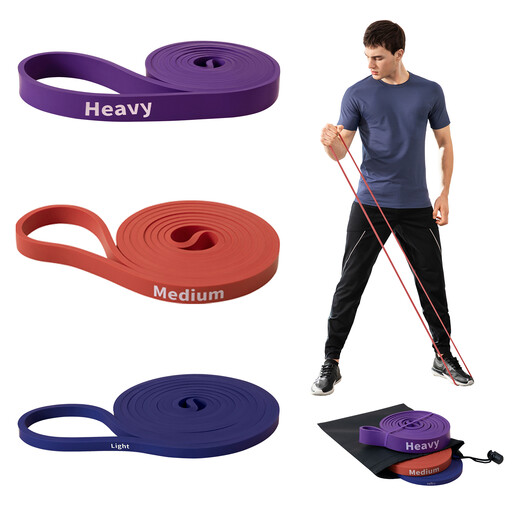
Why This Fits Their Persona: Ideal for anyone starting a home fitness routine who needs versatile and portable equipment. This set can be used for strength training, stretching and adding resistance to bodyweight exercises, making it a great all-in-one solution.
This set completely avoids the "one-size-fits-all" trap by providing three distinct resistance levels, allowing for genuine progression and exercise variety.
Offers customisable intensity for progressive training. The included carrying bag makes it easy to store or take with you for workouts anywhere.
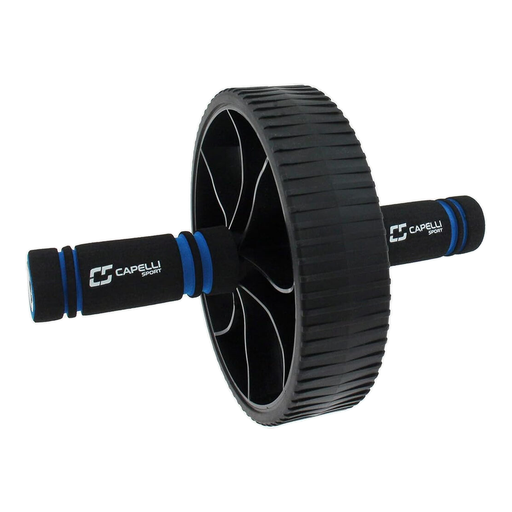
Why This Fits Their Persona: This is for the individual focused on targeted abdominal work who wants a simple, effective tool. It's a step up from basic crunches, designed to challenge core stability and strength in a controlled manner.
The design features a wide wheel base and a TPR cover for added traction, directly addressing the common problem of wobbly, unsafe ab rollers.
Its stable design allows for more precise and controlled movements. The durable foam handles provide a comfortable, non-slip grip for safety.
We have compiled a complete, real-time list of products that fully satisfy these strict selection criteria and UK safety regulations.
For active, flowing yoga styles where you need a strong connection to the floor for balance, a thinner mat of 3-4mm is often preferred. For more static, floor-based practices like Yin yoga or Pilates, or if you have sensitive joints, a thicker mat of 5-6mm can provide more comfortable cushioning.
Neither is inherently "better," but they serve different needs. Foam blocks (like the Yoga Block Size: 469in) are lighter and softer, which some beginners prefer. Cork blocks are heavier, firmer and more stable, making them excellent for balance poses and for users who want maximum support and durability. The choice depends on your priority: lightweight comfort or grounded stability.
Look for bands made from durable natural latex, as this material tends to offer good elasticity and is less prone to snapping than cheaper synthetic alternatives. A quality set will also provide clearly defined, distinct resistance levels (e.g., light, medium, heavy) rather than vague descriptions. Inspecting the band for any nicks or tears before each use is also a good safety practice.