
24/7 Customer Support

Free returns

Same-day & Next-day Delivery

Quality Guaranteed

Unlock Your Welcome Offers: FREE Delivery | Up to 80% OFF | Free 30-day JoyPlus trial
Download the APP
Creating a personal fitness space at home is an appealing goal, but the path is often cluttered with misleading marketing and equipment that fails to deliver. Many of us have been tempted by gear that promises transformative results, only to find it gathering dust a few months later. As a Joybuy Product Recommendation Officer, my role is to help you navigate the market and select items that genuinely support your fitness journey.
Before you add anything to your basket, let's look at the common pitfalls that UK shoppers encounter when buying home workout equipment.
To make a smart purchase, focus on a few core parameters rather than marketing hype. These details determine the safety, effectiveness and longevity of your home gym accessories.
The materials used are a direct indicator of an item's quality and safety.
One size does not fit all in fitness. The dimensions of your equipment should match your body and your goals.
Instead of a one-size-fits-all list, we've matched specific products to different user needs. This approach ensures you get equipment that aligns with your lifestyle and fitness ambitions.
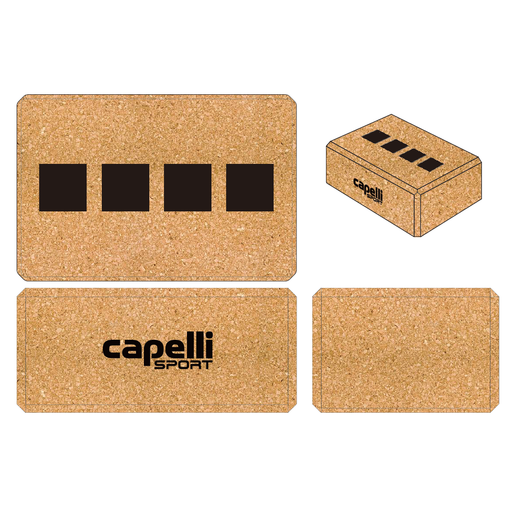
Why This Fits Their Persona: Ideal for anyone beginning their yoga, Pilates or general stretching journey. It provides essential support to achieve proper alignment and deepen stretches safely, without the complexity of a machine.
This is a single-purpose, highly effective tool, not a flimsy gimmick. The natural cork construction is durable and avoids the "cheap materials" pitfall, ensuring it will last for years of practice.
The firm, non-slip cork surface provides superior stability compared to softer foam blocks. Its beveled edges allow for a comfortable and secure grip.
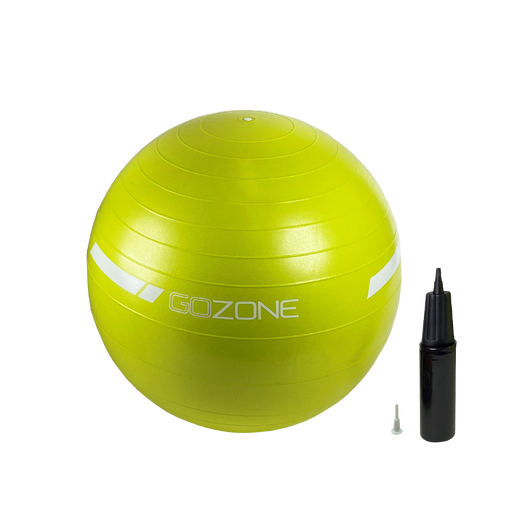
Why This Fits Their Persona: Perfect for office workers seeking to improve posture or anyone focusing on core workouts. Its versatility allows it to function as both a dynamic workout tool and a stability-enhancing office chair alternative.
This ball is made from durable, anti-burst PVC, directly addressing the safety concerns of cheap alternatives. The weighted base adds stability, preventing it from rolling away and making it more practical for daily use.
The 2.5lb weighted base is a significant feature, providing extra stability during dynamic exercises. It supports up to 150 kg, making it a robust choice for various body types.
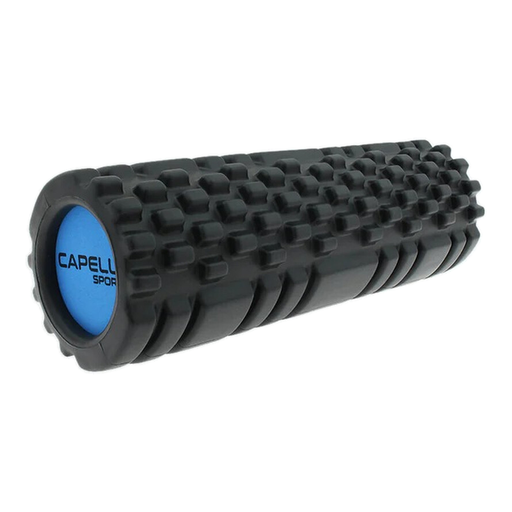
Why This Fits Their Persona: An essential piece of kit for anyone who engages in regular physical activity. This is one of the most effective **fitness recovery tools** for managing muscle soreness and improving flexibility.
Unlike expensive electronic massagers with questionable longevity, a high-density foam roller is a simple, mechanical tool that delivers consistent results. Its compact size avoids the "bulky equipment" trap.
The high-density PVC and PE construction ensures it won't lose its shape over time, providing the firm pressure needed for effective myofascial release. It comes with a carry bag for easy transport to the gym or park.
We have compiled a complete, real-time list of products that fully satisfy these strict selection criteria and UK safety regulations.
You need less space than you think. The key is choosing compact, versatile equipment. A yoga mat, a set of resistance bands, a foam roller and a stability ball can provide a comprehensive workout and be stored easily in a cupboard or under a bed. You only need a clear floor space roughly the size of a yoga mat (about 2 x 6 feet) for most exercises.
Most resistance bands for exercise come in sets with multiple levels (e.g., light, medium and heavy). As a general rule: