
24/7 Customer Support

Free returns

Same-day & Next-day Delivery

Quality Guaranteed

Unlock Your Welcome Offers: FREE Delivery | Up to 80% OFF | Free 30-day JoyPlus trial
Download the APP
Choosing home appliances and smart electronics involves more than comparing headline prices. A low-cost appliance may have unsuitable dimensions, while a device packed with smart features may be awkward to use or expensive to run. For UK households, the most useful approach is to compare capacity, energy performance, installation requirements and genuinely useful functions before placing an order.
The initial price does not show the full cost of ownership. Energy use, water consumption, replacement filters, installation and accessories can all affect long-term value. For example, an A-rated electric cooker or washing machine may use less energy per cycle than an older appliance, while a dishwasher’s water consumption can be more relevant than its number of programmes.
A 75-inch smart TV may offer an engaging viewing experience, but it needs sufficient wall and floor space. Similarly, a 10kg tumble dryer can suit a family, yet may be excessive for a single-person household. Always measure the available area, including clearance for doors, ventilation and cable connections.
Wi-Fi control, app support and Bluetooth calling can be useful, but only when they fit your routine. Check whether the appliance requires a particular app, a stable home network or account registration. For connected home technology, also review operating-system compatibility and whether important controls remain available on the appliance itself.
For kitchen appliances and laundry equipment, capacity should match the number of people in the home and the available room.
UK energy labels use a scale from A to G, with A indicating a higher efficiency class within the applicable product category. Compare the stated energy consumption where available, rather than relying only on the letter rating.
For washing machines and dishwashers, check water use per cycle. For refrigeration, look at annual energy consumption and noise level. A quieter appliance can be preferable in an open-plan home, but the decibel figure should be compared on a like-for-like basis.
For smart TVs and computer monitors, assess resolution, refresh rate, ports and viewing distance. A 4K TV can suit large screens, while a 100Hz monitor may provide smoother motion for office scrolling and compatible gaming. Confirm that your laptop, console or set-top box supports the required HDMI standard and refresh rate.
For smartwatches and fitness trackers, look at phone compatibility, battery claims, water-resistance rating and GPS requirements. Heart-rate, sleep and blood-oxygen features are for general information and should not be treated as medical diagnosis. A pulse oximeter should include clear usage and safety instructions, with readings interpreted appropriately.
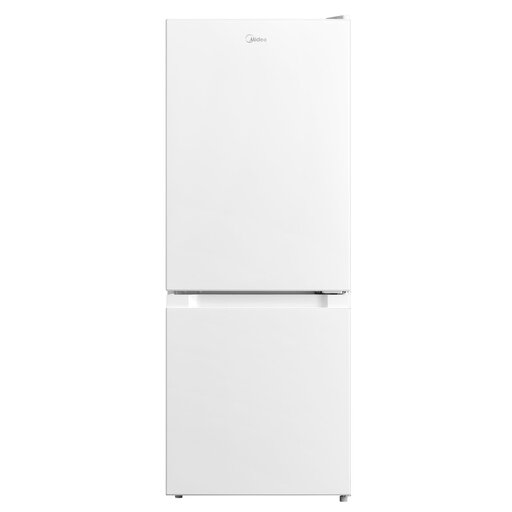
Why This Fits Their Persona: Its 123.5cm height and 50cm width suit smaller kitchens, studio flats and student accommodation where a full-height fridge freezer may not fit.
The stated dimensions, reversible door and Low Frost design help buyers check fit and maintenance needs before purchase.
153-litre total capacity, 39dB noise rating and two freezer drawers.
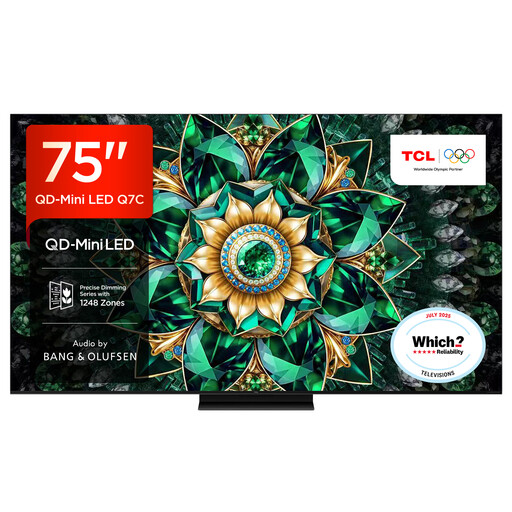
Why This Fits Their Persona: It is designed for larger living rooms and dedicated media spaces, with Google TV features and connectivity for streaming, consoles and home entertainment.
The 75-inch size, 4K resolution and HDMI 2.1 connectivity make the space and source-device checks clear before buying.
QD-Mini LED display, 4K HDR resolution and a stated 144Hz native refresh rate.
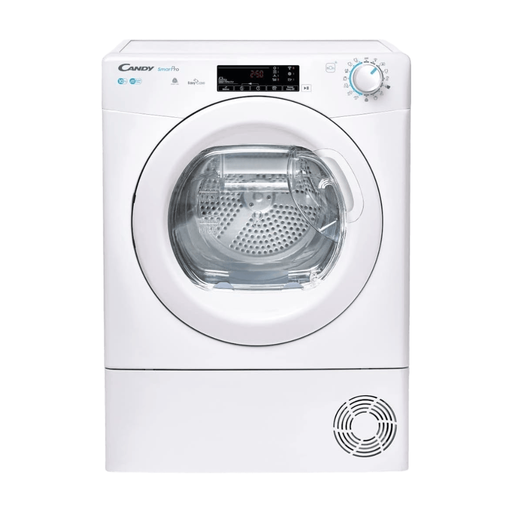
Why This Fits Their Persona: The 10kg drum suits large families, shared homes and households regularly drying bedding or bulky towels.
Sensor drying is designed to respond to moisture levels, while the Easy Case drawer system makes routine emptying and cleaning more straightforward.
10kg capacity, Wi-Fi app control, 16 programmes and a delay start of up to 24 hours.
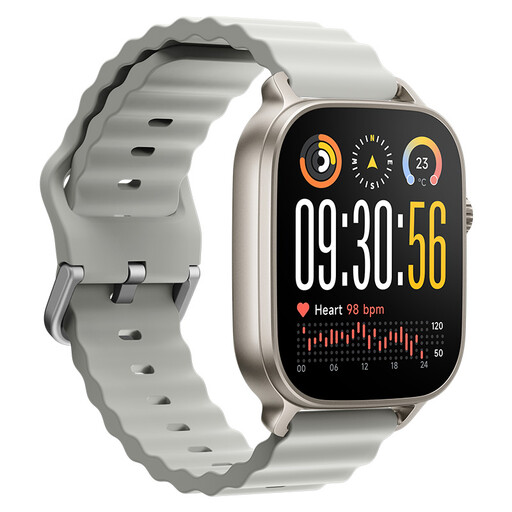
Why This Fits Their Persona: It combines independent GPS, sport modes and Bluetooth calling for users who want connected features during commutes, walks and exercise sessions.
The listed GPS, Bluetooth 5.3, IP68 rating and battery specification give shoppers concrete features to compare instead of vague wellness promises.
1.97-inch AMOLED display, 5-GNSS positioning and stated support for 108 sport modes.
We have compiled a complete, real-time list of products that fully satisfy these strict selection criteria and UK safety regulations.
Heating appliances such as tumble dryers, electric cookers and some refrigeration products can contribute significantly to household electricity use. Actual costs depend on usage, tariffs, load size and appliance condition. Compare the energy label and stated consumption, then choose a capacity that matches your household rather than routinely running half-empty cycles.
They can be useful when remote notifications, scheduling or app controls solve a genuine problem. A Wi-Fi tumble dryer may help manage laundry around work or off-peak tariffs, while a smart TV can centralise streaming services. However, connectivity should not replace checking core performance, dimensions, warranty and ease of manual operation.
Lifespan varies by product type, usage, maintenance and repairability. Regularly cleaning filters, keeping ventilation clear and following installation instructions can help appliances operate reliably. Before purchasing, review the warranty, availability of support and the cost of consumables or replacement accessories.