
24/7 Customer Support

Free returns

Same-day & Next-day Delivery

Quality Guaranteed

Unlock Your Welcome Offers: FREE Delivery | Up to 80% OFF | Free 30-day JoyPlus trial
Download the APP
Honey and syrups can transform porridge, pancakes, marinades, hot drinks and home baking. However, choosing between raw honey, MGO Manuka honey, golden syrup, black treacle, pancake syrup and liquid stevia sweetener is not simply a matter of picking the most attractive label.
The right product depends on how you intend to use it, the ingredients you want to avoid and how quickly you expect to use the pack. This guide highlights common buying traps, explains the specifications that matter and matches practical options to different UK households.
Terms such as “natural”, “raw” and “pure” describe sourcing or processing, not necessarily low sugar or low calories. Honey remains a carbohydrate-rich food, while golden syrup, black treacle and pancake syrup are also sweet products that should be used in moderation.
For example, Lyle’s Golden Syrup contains 317 kcal and 79g of sugars per 100g. Maple Crest Pancake Syrup contains rice syrup, cane sugar and only 5% maple syrup, despite its maple-style positioning. Always check the ingredients and nutrition panel rather than relying on front-of-pack wording.
A thin pancake topping may not perform like Korean starch syrup in a marinade. Starch syrups are thicker and help create a glossy finish, while golden syrup contributes sweetness and moisture to traditional British baking. Black treacle has a darker, more intense flavour suited to gingerbread, parkin and Christmas pudding.
Caramel drizzle is formulated as a dessert topping and contains milk, so it is not interchangeable with a dairy-free syrup or a general baking ingredient.
Sticky products become inconvenient when the opening, storage and usage rate do not match your household. Carnation Drizzle Caramel should be refrigerated after opening and consumed within one week. Maple Crest Pancake Syrup should be refrigerated after opening and used within four weeks. By contrast, many ambient syrups are more practical for occasional baking.
A 500g jar of honey may offer better value for regular use, but a 250g jar can reduce waste if you are trying a new flavour or a higher-priced MGO Manuka honey.
Read the full ingredients panel, particularly if you are buying for a family with allergies or dietary preferences.
Product formulations can change, so the packaging supplied with your order should take priority.
MGO Manuka honey uses a numerical rating relating to the amount of methylglyoxal stated on the product specification. For example, the listed Egmont Honey ranges include MGO 40+, MGO 70+, MGO 100+ and MGO 250+ options.
The number is not a measure of sweetness, calories or suitability for a particular medical purpose. It is a product classification to compare the stated MGO level. Some products are multifloral, while MGO 250+ options in this range are described as monofloral. UMF is a separate certification system, so avoid treating MGO and UMF figures as identical scales.
Honey is not suitable for infants under 12 months. Anyone with a bee-product allergy should check the label carefully, and people managing diabetes or carbohydrate intake should account for honey’s sugar content.
Match the consistency to the recipe:
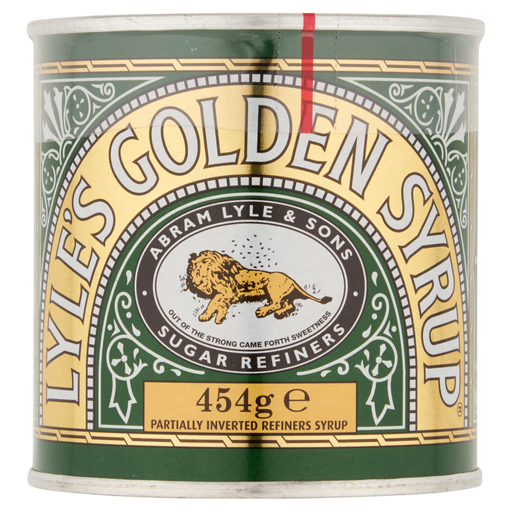
Why This Fits Their Persona: A familiar cupboard staple for first-time bakers, families and shoppers wanting one versatile syrup for everyday recipes.
The ingredient and nutrition information is clearly stated, helping you avoid confusing a baking syrup with a low-sugar product.
454g pack; no listed allergens; suitable for flapjacks, puddings, biscuits and sauces.

Why This Fits Their Persona: A substantial jar for shoppers who specifically want monofloral Mānuka honey with a stated higher MGO classification.
The product identifies itself as monofloral and states an MGO 250+ classification, rather than leaving the honey type unclear.
500g format; 100% pure Mānuka honey listed; suitable for toast, yoghurt, warm drinks and desserts.
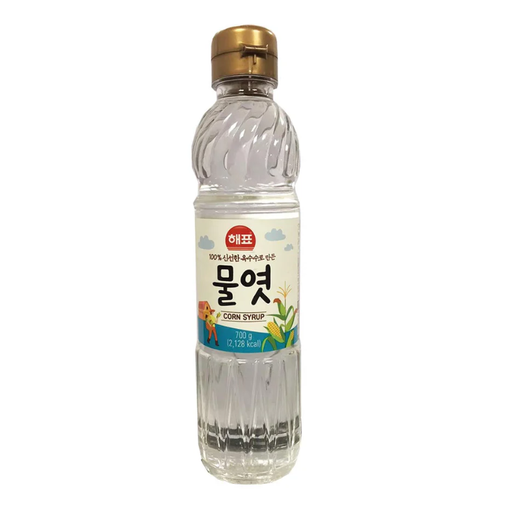
Why This Fits Their Persona: Designed for Korean and Asian cuisine enthusiasts who regularly prepare marinades, sauces, tteokbokki or traditional sweets.
Its thick, viscous format is intended for cooking applications, avoiding the mismatch of using a thin dessert syrup in a glossy Korean sauce.
700g jar; suitable for marinades, reductions and desserts; contains barley, so the allergen declaration is important.
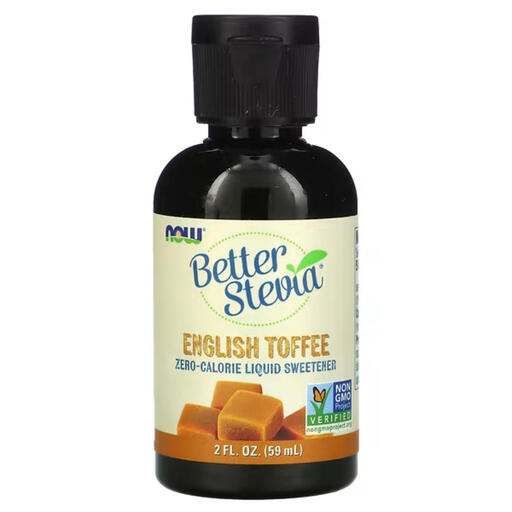
Why This Fits Their Persona: Suitable for adults who want to sweeten coffee, tea or small servings without adding table sugar.
The serving guidance is measured in drops, and the nutrition panel states 0 calories and 0g sugar per five drops, rather than implying that all sweeteners are calorie free.
59ml bottle; organic stevia leaf extract; vegan and gluten-free listings; contains alcohol, so check the label.
We have compiled a complete, real-time list of products that fully satisfy these strict selection criteria and UK safety regulations.
They have different ingredients and flavours, but both contribute sugars and calories. Compare the nutrition information for the serving size you actually use. “Natural sweetener” is not the same as “low sugar”.
It varies by product. Lyle’s Golden Syrup recommends use within three months of opening, while Carnation Drizzle Caramel advises refrigeration and consumption within one week. Always follow the current packaging instructions.
Liquid stevia can sweeten drinks and some foods, but it does not replicate sugar’s volume, structure or browning. It is generally more suitable for beverages, yoghurt or recipes already designed around concentrated sweeteners.