
24/7 Customer Support

Free returns

Same-day & Next-day Delivery

Quality Guaranteed

Unlock Your Welcome Offers: FREE Delivery | Up to 80% OFF | Free 30-day JoyPlus trial
Download the APP
Honey is a staple in many UK households, valued for its sweet flavour and its presence in everything from soothing winter remedies to nourishing skincare. However, the market for honey products is vast and not always straightforward. With so many options available, it's easy to fall into common purchasing traps that lead to disappointment and wasted money. As a Joybuy Product Recommendation Officer, my role is to help you navigate the options and make choices that align with your needs.
Before you add that next honey-infused item to your basket, let's look at a few common pitfalls:
To ensure you're getting what you pay for, a quick check of the product label is essential. Focusing on a few key parameters can make all the difference.
The order of ingredients on a label is determined by weight. The closer an ingredient is to the top of the list, the more of it the product contains. When looking for effective soothing honey products, check if honey appears within the first few ingredients. For example, a honey and lemon lozenge that lists Honey (9.6%) provides a clear, quantifiable amount, which is a much better indicator of quality than a product that just lists "flavouring".
Not all honey is the same. While standard honey is great for adding sweetness to honey and ginger tea or honey cereal bars, some types are sought for other properties. If you are specifically looking for Manuka honey, pay attention to its activity rating. The most common and reliable measure is MGO (Methylglyoxal). A higher MGO number (e.g., MGO 115+) indicates a higher concentration of this key natural compound. A product that clearly states its MGO rating offers more transparency than one that doesn't.
When purchasing a honey cough syrup or lozenge for a sore throat, the function is paramount. Look for products where honey is combined with other recognised ingredients. For a mucus cough, a formula might pair honey and lemon flavour with an active ingredient like Guaifenesin. For a sore throat, it might be combined with antiseptic ingredients. This ensures the product is formulated for its intended purpose, with honey providing a soothing taste and quality.
To help you find products that meet these criteria, we've matched a few options to different needs and lifestyles.
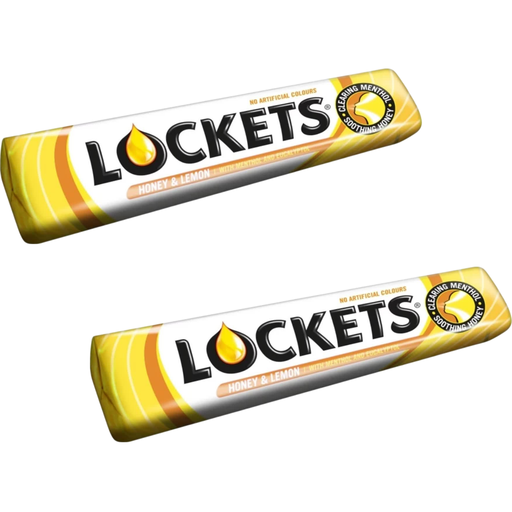
Why This Fits Their Persona: Ideal for someone in the UK looking for a reliable, on-the-go solution for coughs and sore throats during the colder months. The combination of honey, lemon and menthol is a classic for soothing discomfort.
This product avoids the "honey flavour" trap by clearly stating it contains 9.6% honey, ensuring you are getting the real ingredient rather than just an artificial taste.
Features a liquid centre with honey and Vitamin C, providing a multi-faceted soothing action. The menthol offers a cooling sensation to help with congestion.
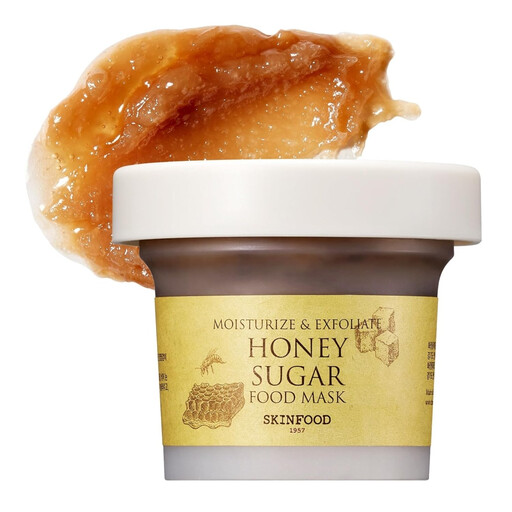
Why This Fits Their Persona: Perfect for someone interested in honey skincare who wants effective, natural ingredients. This user appreciates a multi-tasking product that exfoliates and moisturises for a home-spa experience.
This honey face mask avoids the "trace amount" pitfall. Honey is the fourth ingredient on the list, indicating a high concentration that contributes significantly to the formula's nourishing properties.
It offers a dual-action treatment: the fine black sugar crystals gently exfoliate dead skin cells, while the honey provides deep hydration and nourishment. The shower-proof texture is practical for use during a bath.
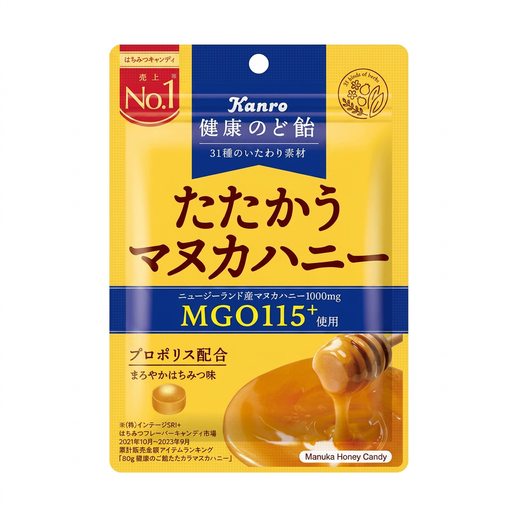
Why This Fits Their Persona: This user is looking for a high-quality throat lozenge and is willing to invest in products with specific, sought-after ingredients like Manuka honey for its reputed properties.
It successfully navigates the "Manuka maze" by specifying it contains MGO115+ grade Manuka honey. This provides clear information about the honey's grade, ensuring transparency for the consumer.
The formula combines 1000mg of Manuka honey per bag with 31 different herbal extracts and propolis, offering a complex and comprehensive approach to throat care.
We have compiled a complete, real-time list of products that fully satisfy these strict selection criteria and UK safety regulations.
Yes, there is a significant difference. 'Honey flavour' is typically an artificial or natural flavouring designed to mimic the taste of honey, often used in combination with sugar or corn syrup. Products with real honey will list "Honey" as an ingredient. Real honey contains natural sugars, enzymes and other compounds, whereas flavouring does not. For authentic taste and properties, always check the ingredients list.
When choosing a honey cough syrup, first identify the type of cough you have. For a chesty or mucus cough, look for a syrup containing an expectorant like Guaifenesin, with honey and lemon added for flavour and soothing qualities. For a dry, tickly cough, a simple syrup with a high concentration of honey can help coat and soothe the throat. Always check the active ingredients and recommended age for use.
This depends on the specific product. A gentle cleanser or moisturiser containing honey can typically be used daily. However, an exfoliating product like a honey face mask with sugar or other abrasive particles should be used less frequently, perhaps 2-3 times a week, to avoid over-exfoliating and irritating the skin. Always follow the usage instructions on the product packaging.