
24/7 Customer Support

Free returns

Same-day & Next-day Delivery

Quality Guaranteed

Unlock Your Welcome Offers: FREE Delivery | Up to 80% OFF | Free 30-day JoyPlus trial
Download the APP
Finding Hong Kong-style instant noodles and snacks in the UK is easier than it used to be, but choosing products that suit your diet, cooking routine and preferred texture still requires care. Packaging can highlight words such as “rich”, “authentic” or “restaurant-style” without clearly explaining the portion size, allergens or preparation time.
This guide focuses on practical buying details, including Hong Kong-style noodles, instant vermicelli noodles, drinks, seasonings and frozen foods available for convenient home preparation.
Most instant noodles and rice products still require thorough cooking or soaking. For example, the wide vermicelli noodle cups need boiling water and around 8–10 minutes of soaking. Steamed rice noodle rolls require boiling until tender, while frozen beef balls must be heated until piping hot in the centre.
Always check whether a product needs:
A cup format is convenient, but it does not automatically mean the contents are ready to eat immediately.
Hong Kong-style noodles often contain several seasoning sachets, each with separate ingredients. Soybean, sesame, wheat, gluten, peanuts, egg, mustard, celery, molluscs and milk may appear across different products.
For example, rice noodle rolls can include peanuts, sesame, soy, wheat and oyster, while some beef balls contain wheat, soy, egg and mustard. Read the complete UK allergen declaration rather than relying only on the product name or flavour description.
The egg-free products listed below are labelled as egg-free versions, but shoppers with allergies should still check the latest packaging and manufacturing information before purchase.
“Thick sauce”, “hot and sour” and “rich broth” describe flavour direction rather than a standard serving size or nutritional profile. Seasoning sachets can also make a substantial contribution to salt intake. One listed hot and sour soup seasoning contains 46.3g of salt per 100g, so it should be portioned according to the packet instructions and not used excessively.
The noodle base has a major effect on the finished meal:
Check the ingredient list if you have a wheat-free, gluten-free or specific texture preference.
A cup can be useful in a university bedroom, office kitchen or small flat, while packet products may offer more flexibility for adding vegetables, eggs or meat. Compare the preparation instructions:
Some cup products do not include a fork because of plastics restrictions, so keep reusable cutlery available.
Shelf-stable noodles, soup seasoning and milk tea powder should generally be kept in a cool, dry place away from direct sunlight and moisture. Frozen beef balls require storage at -18°C or below and should not be refrozen after thawing.
Check the best-before or expiry information on the packaging. For meat products, follow the cooking directions carefully and avoid cross-contamination after opening.
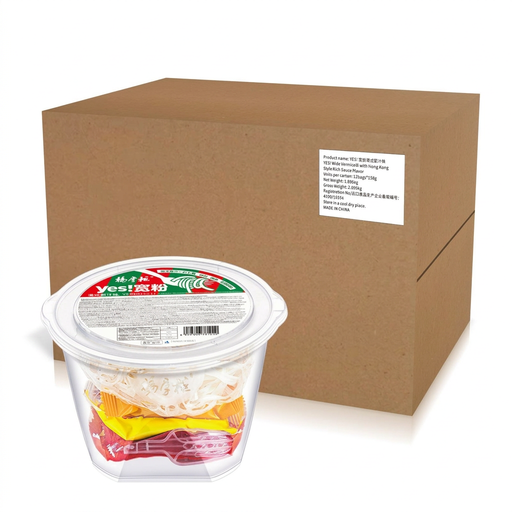
Why This Fits Their Persona: The 12-box format suits students, shared households and regular noodle eaters who want a ready-to-store meal option.
The pack lists separate sauce, vinegar, vegetable and crispy pea sachets, while the instructions clearly state an 8–10-minute preparation time.
Wide vermicelli uses sweet potato, tapioca and corn starches; the kit includes vegetables and toppings. Contains soy and sesame.
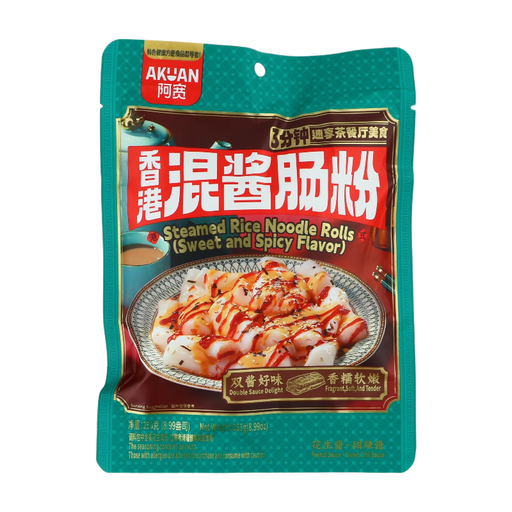
Why This Fits Their Persona: Suitable for shoppers who want a more involved bowl with separate sauces and a softer rice-roll texture.
The product explains that the rice rolls must be boiled and drained before the peanut, sesame, sauce and seaweed toppings are added.
Includes multiple sauce packets and a sesame seaweed topping. Contains wheat, peanuts, sesame, soy and oyster.
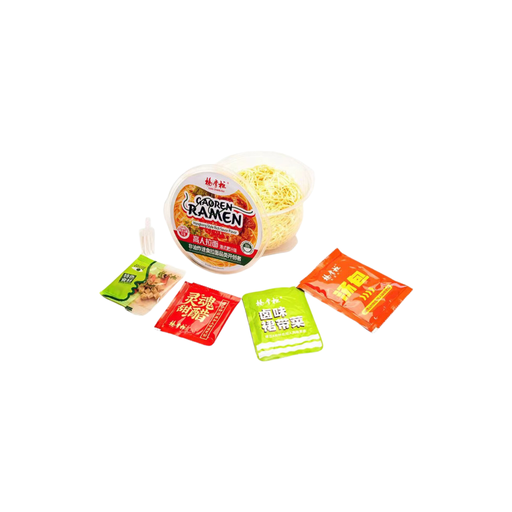
Why This Fits Their Persona: A cup-format option for shoppers seeking a product listed as halal food and labelled as an egg-free version.
It provides preparation steps, allergen information and a stated 5–6-minute steeping time. Confirm current halal certification and packaging before eating.
Non-fried wheat noodles, thick sauce, vinegar and vegetable packets in a single cup. Contains wheat and sesame.
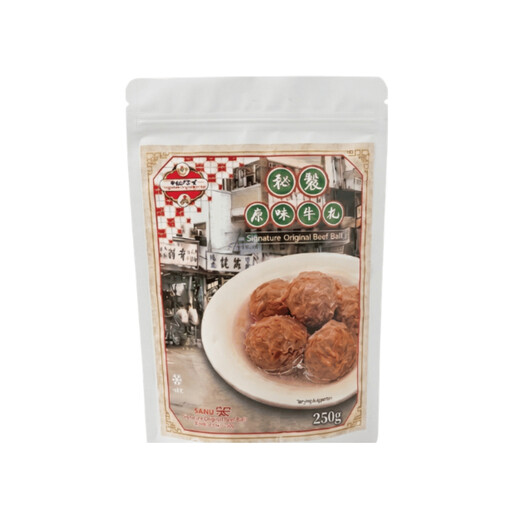
Why This Fits Their Persona: Useful for hot pots, noodle soups and shared meals where a frozen protein-style topping is required.
The listing gives frozen storage guidance and states that the centre must be piping hot before serving.
250g frozen pack with beef, pork fat and tapioca starch; suitable for boiling, steaming or stir-frying. Contains wheat, soy, egg and mustard.
Pair noodles with vegetables, tofu or a measured portion of Hong Kong beef balls. The black pepper beef ball version adds a sharper seasoning profile and can be cooked directly from frozen according to its instructions.
For drinks, Hong Kong milk tea powder offers a quick hot beverage: add hot water and stir. The listed Lipton 190g product contains milk, non-dairy creamer and sugar, so it is not suitable for milk-free diets. A sachet of hot and sour soup seasoning can also be used as a soup base or seasoning, but its salt content makes careful portioning important.
We have compiled a complete, real-time list of products that fully satisfy these strict selection criteria and UK safety regulations.
Yes, cup products can work well where access to a kettle is available. Check the required water temperature, soaking time and whether reusable cutlery is needed. Products requiring boiling, such as rice noodle rolls, are more suitable for a kitchen.
Follow the best-before date on each pack. Dry noodles, milk tea and seasoning should be kept sealed in a cool, dry cupboard. Frozen beef balls should remain at -18°C or below and should not be refrozen after thawing.
Read the full allergen statement on the current packaging. In this category, common allergens include wheat, gluten, soy, sesame, peanuts, milk, egg, mustard, celery and molluscs. Product recipes and packaging can change, so verify the information before preparation.