
24/7 全天候客户支持

免费退货

当日/次日达

品质保障

开启新人专享福利: 全场免邮 | 低至 2 折 | 免费试用 30 天 JoyPlus 会员
下载 Joybuy
Hormonal health supplements cover a wide range of needs, from PMS and menopause support to intimate wellbeing, libido and testosterone support. That variety can make shopping confusing, particularly when similar products use broad phrases such as “balance”, “boost” or “natural support”.
The right choice depends less on impressive-sounding packaging and more on the formula, dosage, suitability and safety information. This guide explains the main buying pitfalls and highlights practical options for different routines.
“Women’s hormone balance supplements” is a broad category. A general multivitamin is not the same as a PMS supplement, while a vaginal and urinary health supplement has a different purpose from a menopause formula.
Before buying, identify the specific area you want to support:
A product that tries to cover every concern may contain many ingredients but only small amounts of each.
A lengthy list does not automatically indicate better value. Check the quantity per serving and whether the product uses a proprietary blend that hides individual amounts.
For example, a single-ingredient product such as D-aspartic acid powder makes it easier to understand exactly what you are taking. A multi-ingredient formula may be more convenient, but it requires closer attention to overlapping ingredients, particularly vitamin B6, zinc, magnesium and vitamin D.
Vegan and vegetarian products are not always interchangeable. A capsule may be plant-based but still contain soy, oats or other allergen information. Softgels can also use gelatine, as found in some evening primrose oil products.
Always check:
Food supplements should not replace a varied diet and healthy lifestyle. If you take prescribed medicines, HRT, hormonal contraception, blood thinners or treatment for a hormone-sensitive condition, seek advice from a doctor or pharmacist before use.
Look for ingredients that match your intended use rather than selecting by product title alone.
For PMS support, common ingredients include chasteberry, magnesium, vitamin B6, zinc and saffron. For menopause support, formulas may include sage, red clover, maca, wild yam, vitamins and minerals. Those seeking female libido supplements may prefer a botanical blend featuring maca, tribulus, shatavari, damiana or ashwagandha.
For men’s wellness supplements, compare the amount of D-aspartic acid, zinc and magnesium, alongside any adaptogens such as maca, fenugreek or ashwagandha. Zinc contributes to the maintenance of normal testosterone levels in the blood, but a supplement should not be treated as a substitute for medical assessment where low testosterone is suspected.
A low price can be misleading if the recommended intake is several capsules a day. Calculate the number of daily servings rather than comparing pack prices alone.
Examples in this range include:
Powders and gummies may be easier for some routines, while capsules can offer a more compact format.
Where vitamins and minerals are included, check the percentage of the UK/EU Nutrient Reference Value (NRV). Avoid combining several products that provide high amounts of the same nutrient without checking the total daily intake.
Also distinguish between an ingredient’s total extract weight and its standardised active component. For example, a chasteberry extract may be listed by extract weight, while a botanical may also specify a concentration ratio. These details help you make a more informed comparison.
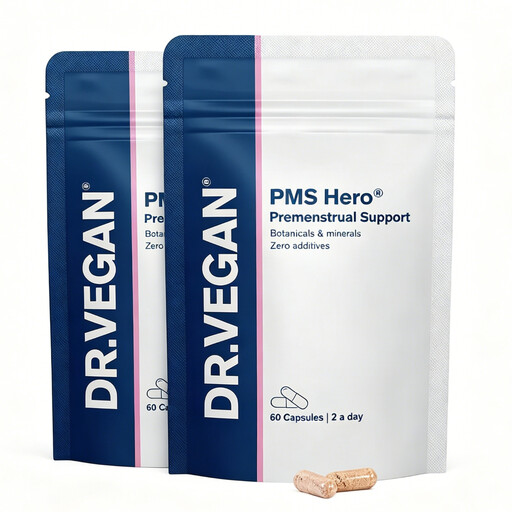
Why This Fits Their Persona: A straightforward option for adults looking for a cycle-focused supplement in a two-pack format, with two capsules taken daily with food.
The formula clearly lists chasteberry, magnesium, vitamin B6, zinc and saffron rather than relying only on a broad “balance” message.
Vegan formula; provides 150 mg magnesium, 10 mg zinc and 10 mg vitamin B6 per two-capsule serving.
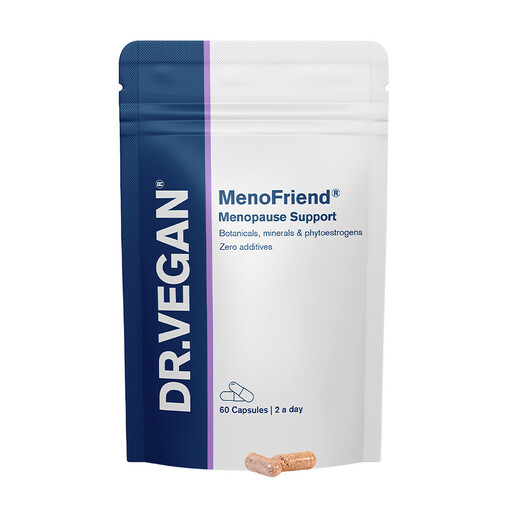
Why This Fits Their Persona: Suitable for women seeking a vegan, allergen-conscious formula for perimenopause, menopause or post-menopause routines.
It provides named botanical and nutritional ingredients with stated amounts, rather than presenting an unspecified menopause complex.
Vegan and free from gluten, wheat, soya, lactose and dairy; includes maca, sage, red clover, magnesium, selenium and vitamin D3.
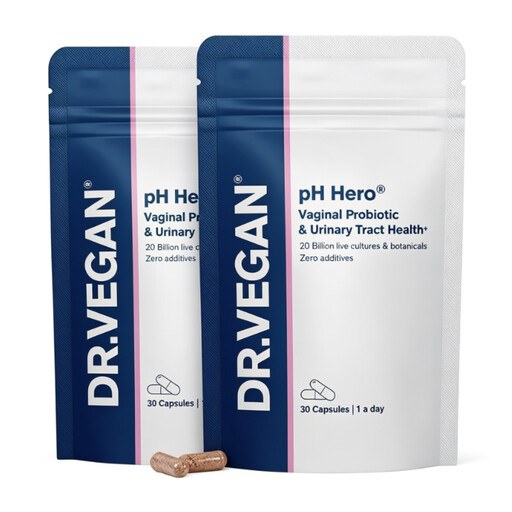
Why This Fits Their Persona: Designed for women prioritising vaginal, urinary and digestive support in one daily vegan capsule routine.
The label identifies five Lactobacillus strains, total CFU, inulin, cranberry and sea buckthorn instead of using only a generic intimate-health claim.
Provides 20 billion CFU across five listed strains; vegan and free from major allergens according to the supplied product information.
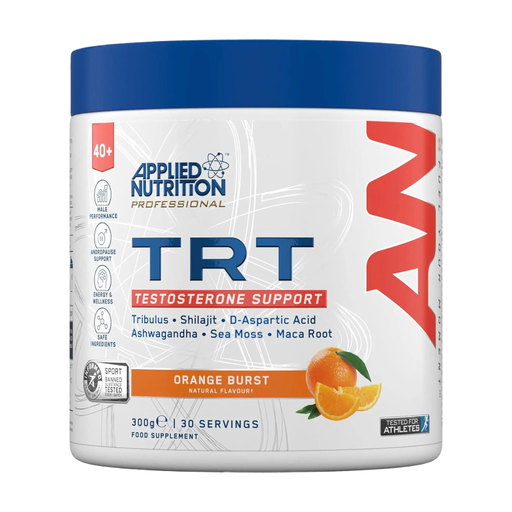
Why This Fits Their Persona: A practical choice for men who already use shakes or training drinks and prefer a measured powder rather than multiple capsules.
The serving size is clearly stated as 10 g, with listed quantities for D-aspartic acid, zinc, magnesium, vitamins and botanical extracts.
300 g powder; vegetarian and vegan-friendly; includes zinc, magnesium, vitamin D3 and B vitamins.
We have compiled a complete, real-time list of products that fully satisfy these strict selection criteria and UK safety regulations.
This depends on the ingredient and product instructions. Some formulas are intended for daily use, while others may be used around a monthly cycle. Follow the label rather than increasing the dose because results are not immediate. If symptoms continue, worsen or interfere with daily life, speak with a qualified healthcare professional.
A vegan formula may suit people avoiding animal-derived ingredients, but vegan status does not remove the need to check warnings. Botanical ingredients and nutrients can be unsuitable alongside certain medicines or hormone-sensitive conditions. Read the label and ask a pharmacist or doctor if you are unsure.
D-aspartic acid powder is a single-ingredient product that provides a measured amount of one amino acid. A natural testosterone booster usually combines several ingredients, such as zinc, fenugreek, maca, ginseng or ashwagandha. The powder offers simpler ingredient control, while a blend may be more convenient for shoppers seeking multiple nutrients in one serving. Neither should replace medical advice or a balanced diet and training routine.