
24/7 Customer Support

Free returns

Same-day & Next-day Delivery

Quality Guaranteed

Unlock Your Welcome Offers: FREE Delivery | Up to 80% OFF | Free 30-day JoyPlus trial
Download the APP
As a nation of food lovers, our appetite for flavourful heat has never been greater. The supermarket aisles are brimming with hot and spicy sauces, each promising an authentic taste of a far-flung destination. Yet, navigating this sea of options can be frustrating. Many of us have a collection of half-used bottles gathering dust—a testament to purchases that didn't quite live up to their fiery promises.
As the Joybuy Product Recommendation Officer, my role is to help you sidestep common shopping pitfalls. Before you add another bottle to your collection, let's look at the frequent traps that lead to disappointment and how to choose a sauce that genuinely enhances your meals.
To make a smarter choice, ignore the marketing hype and focus on a few core parameters. These details will tell you everything you need to know about the sauce's flavour, quality and versatility.
The foundation of any sauce dictates its primary taste. Before checking the chilli type, look at the first few ingredients.
The texture of a sauce determines its function. A label might not always be clear, so consider the product's form.
Different chillies provide different types of heat and flavour. A Scotch bonnet sauce, for example, is known for its fruity, fiery kick, which is very different from the smoky, mellow warmth of a chipotle pepper. Understanding the pepper helps you anticipate the sauce's character beyond a simple "medium" or "hot" rating.
To help you find the right match, here are some recommendations from our range of world food condiments, tailored to different home cooks.
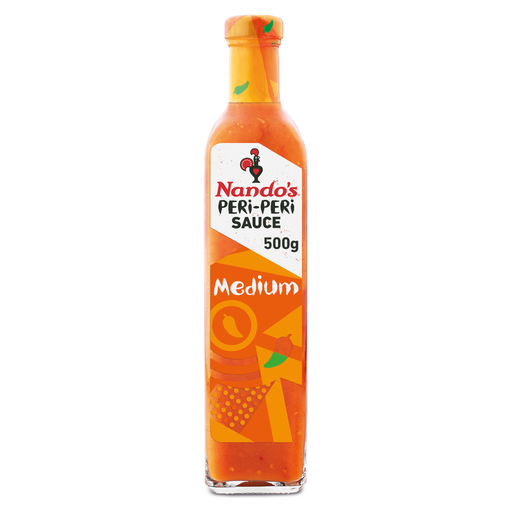
Why This Fits Their Persona: For those looking to replicate the popular restaurant experience at home, this peri peri sauce is the go-to. It's incredibly versatile, perfect for a quick chicken dinner, drizzled on chips or mixed into mayonnaise for a zesty dip. It offers reliable, crowd-pleasing flavour without any fuss.
It sidesteps the "heat over flavour" trap by balancing the African Bird's Eye Chilli with lemon purée, onion and garlic, creating a tangy and savoury profile where heat is a component, not the sole focus.
Highly versatile for dipping, cooking and marinating. Free from artificial colours and flavours.
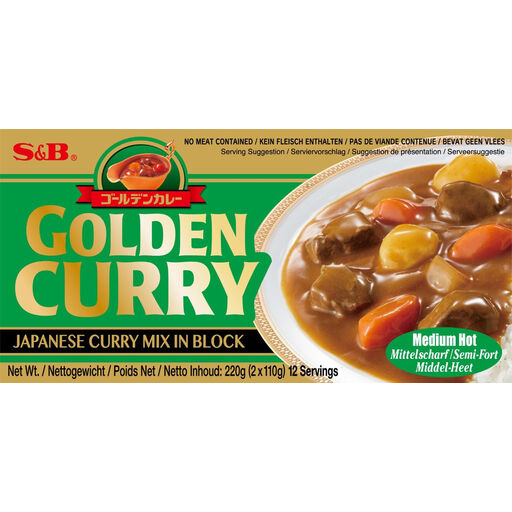
Why This Fits Their Persona: For the home cook dedicated to recreating an authentic Katsu or classic Japanese curry, this is the essential ingredient. This Japanese curry mix is a staple in kitchens across Japan for a reason—it delivers that unmistakable rich, savoury and mildly sweet flavour profile that is difficult to replicate from scratch.
This product defeats the "authenticity mirage" by being a genuine, widely-used product from a leading Japanese food company. It's not an imitation; it's the real article for making a specific, beloved dish.
Convenient block form dissolves smoothly for a lump-free sauce. Provides a consistent and authentic Japanese curry flavour every time.
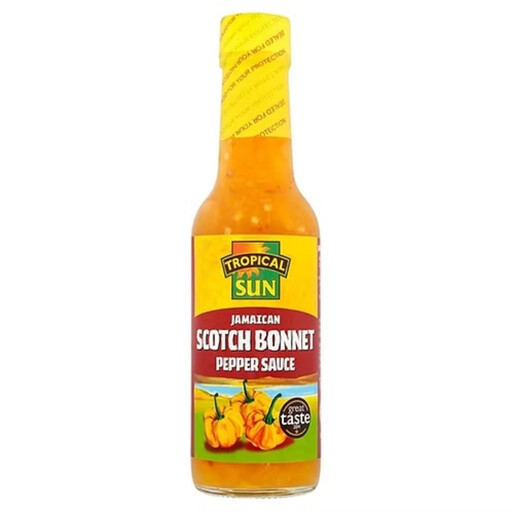
Why This Fits Their Persona: For those who appreciate a serious kick but refuse to sacrifice flavour, this scotch bonnet sauce is an excellent choice. It celebrates the pepper's unique fruity notes alongside its potent heat, bringing an authentic taste of the Caribbean to everything from grilled meats to stews.
This sauce is the antithesis of the "heat over flavour" trap. It specifically uses Scotch Bonnet peppers, which are prized for their distinctive taste, ensuring the sauce delivers a complex flavour profile alongside its significant spice level.
Delivers authentic Caribbean flavour with a strong, fruity heat. Free from artificial colours and flavours.
We have compiled a complete, real-time list of products that fully satisfy these strict selection criteria and UK safety regulations.
This depends on the ingredients. High-acidity, vinegar-based sauces can last for many months in the refrigerator. Sauces that are creamy, oil-based or have a lower acid content will have a shorter shelf life. For the best flavour and quality, it's a good practice to consume most opened sauces within 3 to 6 months. Always refer to the storage instructions on the bottle.
Not always. The effectiveness of a sauce as a marinade depends on its consistency. Thinner, vinegar-based sauces can work for a quick flavour infusion, especially for fish or chicken. However, thicker spicy marinades or rubs that contain oils, sugars and spices will adhere better to meat and help create a flavourful crust when cooking. If you want to use a very potent hot sauce, consider diluting it with oil, yoghurt or citrus juice to avoid overwhelming the dish.
In the UK, the terms are often used interchangeably. However, "hot sauce" typically refers to a thinner, pourable condiment used to add a final dash of heat and flavour (like a Mexican hot sauce). "Chilli sauce" can be a much broader category, encompassing everything from thick, sweet dipping sauces to concentrated cooking pastes and spicy cooking sauces like a chilli con carne sauce. The key is to read the description and ingredients to understand its intended application.