
24/7 Customer Support

Free returns

Same-day & Next-day Delivery

Quality Guaranteed

Unlock Your Welcome Offers: FREE Delivery | Up to 80% OFF | Free 30-day JoyPlus trial
Download the APP
Choosing a hot chilli sauce is not simply about finding the bottle with the most dramatic heat claim. UK shoppers can easily pay for a sauce that is too sweet, too salty, unsuitable for their dietary needs or impractical for the way they cook.
The main pitfalls are often hidden in plain sight:
Different sauces perform different jobs. A vinegar-based Mexican hot sauce or Jamaican hot sauce is usually easy to dash over eggs, rice, grilled food or soups. A red pepper paste, such as Korean gochujang, has a thicker consistency and a savoury-sweet profile suited to marinades, stews, noodles and stir-fries.
For Southeast Asian cooking, sambal oelek provides a concentrated chilli base that can be stirred into fried rice, dipping sauces and marinades. A chilli oil sauce is more suitable as a finishing condiment for dumplings, noodles and cold dishes, where its aromatic oil and chilli pieces can remain noticeable.
If you need a dip or glaze, a Thai sweet chilli sauce may be more appropriate than a very hot pepper sauce. Its sugar and vinegar balance can work with spring rolls, satay, prawns and grilled meat.
The position of chilli in the ingredients list gives useful context, but it does not provide a universal heat rating. Compare the listed pepper types and percentages instead.
Scotch bonnet, habanero and cayenne sauces can have a pronounced heat, while arbol and piquin pepper sauces may offer a more moderate warmth depending on the recipe. Products marketed as “extra hot” should still be assessed for flavour, acidity, sweetness and texture rather than heat alone.
Look for practical details such as:
For example, some gochujang products contain soy and may contain cereals containing gluten. Shito and certain sambal products can contain shrimp or other crustaceans. A sauce may also carry a “may contain” warning because of shared manufacturing facilities.
Many sauces are shelf-stable before opening but require refrigeration afterwards. Check the label for the recommended consumption period, which can range from a few weeks to several months depending on the product.
Salt can vary substantially. The supplied product information lists 6.2g salt per 100g for the 1kg O’Food gochujang and 7.6g per 100g for Samyang Buldak Original sauce. Chilli oil sauces can also be energy-dense because of their oil content. These figures do not prevent occasional use, but they are useful when comparing products for regular cooking.
For a household, 80–185g jars or 142–165ml bottles may help reduce waste. Frequent cooks, cafés and restaurants may find a 500g or 1kg Korean chilli paste more practical. Buying bulk hot sauce only makes sense when the flavour profile suits your menu and the storage instructions can be followed.
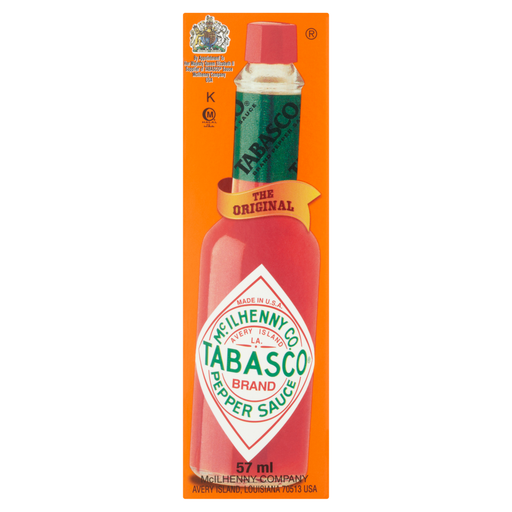
Why This Fits Their Persona: A compact bottle suits UK cupboards, lunch boxes and cooks who want a small amount of vinegar-led heat for eggs, pizza, soups and stews.
The 57ml size limits the risk of buying a large jar before deciding whether this flavour profile suits your meals.
Three listed ingredients: distilled vinegar, red pepper and salt. No refrigeration is required according to the supplied product details.
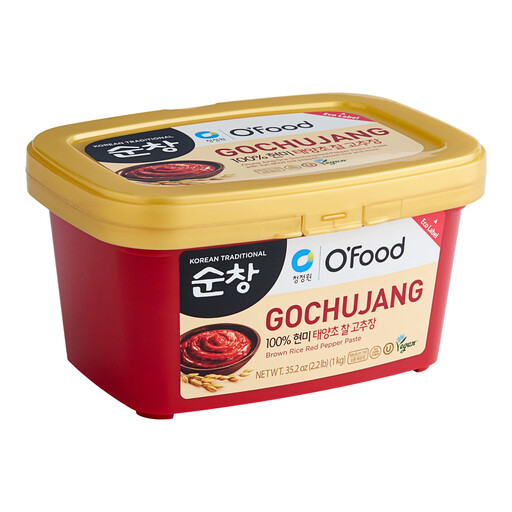
Why This Fits Their Persona: Suitable for cooks preparing bibimbap, tteokbokki, bulgogi-inspired marinades or Korean-style fusion dishes regularly.
Its thick paste format is designed for cooking and marinades rather than being judged only by a thin, pourable consistency.
The 1kg pack is practical for frequent cooking and food service. Ingredients include brown rice, red pepper powder, garlic and onion; contains soy.
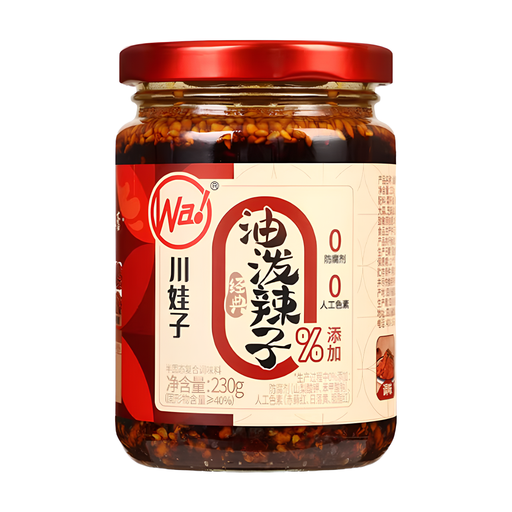
Why This Fits Their Persona: A useful match for Sichuan cooking fans, noodle enthusiasts and households that regularly serve dumplings or cold dishes.
The intended uses are clear: drizzle over noodles, dumplings, salads and cold dishes, or mix into stir-fries and marinades.
Contains chilli, Sichuan pepper and sesame for an aromatic profile. The product information identifies peanuts and sesame as allergens.
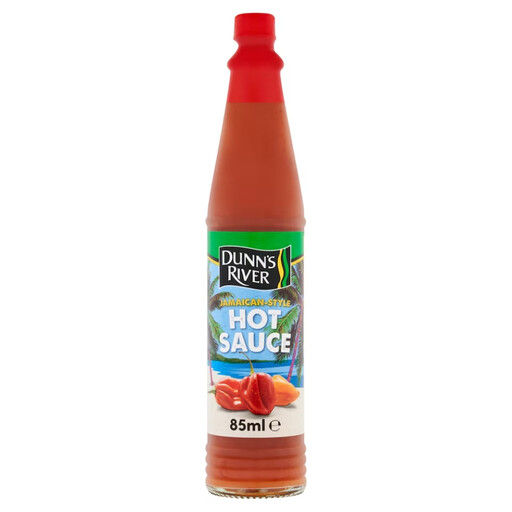
Why This Fits Their Persona: A small Caribbean pepper sauce for jerk-style marinades, soups, stews, eggs, rice and peas, or grilled food.
The 85ml format lets occasional users explore Scotch bonnet-style heat without committing to a large bottle.
The listed pepper mash content is 47%. The product information states that it contains no allergens, subject to checking the current packaging.
We have compiled a complete, real-time list of products that fully satisfy these strict selection criteria and UK safety regulations.
A mild or medium vinegar-based sauce can be the most flexible choice for eggs, pizza, soups and sandwiches. For cooking, gochujang, sambal oelek or a Jamaican hot sauce may offer more texture and depth. Start with a small bottle if you are still comparing flavours.
There is no single lifespan for every product. Some sauces should be refrigerated and used within a stated period, such as six or eight weeks. Others may not require refrigeration but should still be kept sealed in a cool, dry place. Always follow the storage instructions and discard products with an off odour, damaged packaging or unusual mould.
Yes, but use it sparingly and balance it with oil, vinegar, citrus, yoghurt or other marinade ingredients where appropriate. Check the label for allergens before serving. When using a hot sauce for marinades, cook meat thoroughly and avoid contact with eyes or sensitive skin.