
24/7 Customer Support

Free returns

Same-day & Next-day Delivery

Quality Guaranteed

Unlock Your Welcome Offers: FREE Delivery | Up to 80% OFF | Free 30-day JoyPlus trial
Download the APP
By Joybuy Product Recommendation Officer
A bottle of hot chilli sauce can transform eggs, noodles, grilled food and takeaway leftovers. However, choosing by a dramatic heat claim or attractive packaging alone can lead to a sauce that is too intense, too sweet, difficult to use or unsuitable for your dietary requirements.
Before buying a hot chilli sauce, UK shoppers should look beyond the front label. The chilli percentage, ingredient list, storage instructions and intended use usually tell you more about whether the bottle belongs in your cupboard.
“Extra hot” and “fiery” descriptions do not explain how a sauce will taste. A Caribbean pepper sauce may have fruity Scotch Bonnet notes, while a Sichuan chilli sauce can provide a numbing peppercorn sensation. A sriracha sauce may combine chilli with garlic and sweetness, and a Mexican hot sauce may focus on vinegar and pepper flavour.
If you only want a gentle lift for breakfast or pizza, an extra hot sauce may overpower the dish. Conversely, a mild sweet chilli sauce may not provide enough heat for stir-fries or marinades.
Sweetness can balance chilli, but some sauces contain substantial sugar. For example, the listed nutrition information for Mae Ploy Sweet Chilli Sauce shows approximately 62g of sugars per 100g, while Lingham’s Extra Hot Chilli Sauce lists 54g per 100g. These sauces can work well as glazes or dipping sauces, but they may not suit shoppers looking for a sharper, less sweet chilli flavour.
Salt also varies considerably. Ji Xiang Ju Mala Sauce lists 15.19g of salt per 100g, so it is sensible to use small quantities and adjust the rest of the recipe accordingly.
Chilli sauces can contain or be made alongside common allergens, including mustard, soya, wheat, gluten, sesame and celery. Always read the current packaging, particularly if you have an allergy or are cooking for others.
Storage matters too. Some bottles need refrigeration after opening and should be consumed within a stated period. Encona Pepper Sauce Extra Hot 142ml, for instance, advises refrigeration and use within 12 weeks. Other products can remain in a cool, dry cupboard after opening, although the label should always take priority.
Heat is not always presented using a consistent UK-wide scale, so the pepper variety and product description are useful indicators:
Start with a small amount when trying an unfamiliar sauce, particularly one described as extra hot or extremely hot.
A thin, pourable sauce is convenient for tacos, soups, eggs and dipping. A thicker chilli sauce can cling to grilled food, work as a marinade base or coat noodles more evenly.
Check whether the product is ready to eat or intended to be cooked. Encona African Peri Peri Sauce advises cooking and is designed for marinating, simmering and stir-frying. By contrast, a ready-to-use dipping sauce can be poured directly over cooked seafood, salads or snacks.
Small bottles are practical for testing a new flavour or keeping an extra hot sauce fresh. Larger bottles may offer better value for households that regularly use dipping sauce, marinade sauce or cooking sauce.
Compare the net quantity, not just the bottle price. A 57ml bottle such as Tabasco Brand Pepper Sauce is useful for occasional dashes, while a 500g bottle such as Nando’s Peri-Peri Sauce Medium is more appropriate for frequent family meals. Nutrition values are generally listed per 100g or 100ml, so consider your normal serving size rather than treating the entire bottle as one portion.
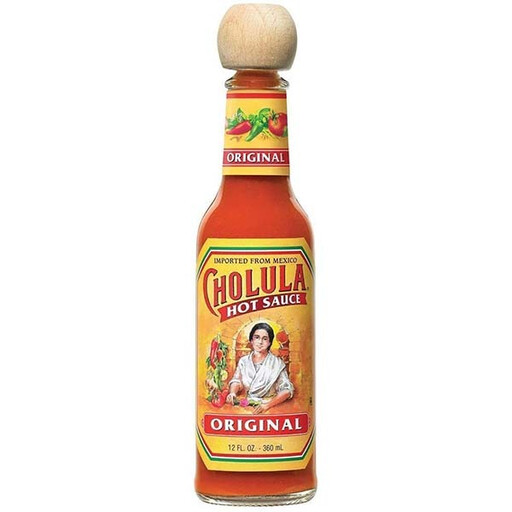
Why This Fits Their Persona: A 150ml bottle offers an approachable way to try a Mexican-style hot sauce for eggs, pizza, tacos, soups and burgers without committing to a large format.
Its listed profile centres on arbol and piquin peppers with vinegar, rather than relying only on an extreme-heat description.
150ml size; listed uses include table seasoning, soups, eggs, pizza and marinades.
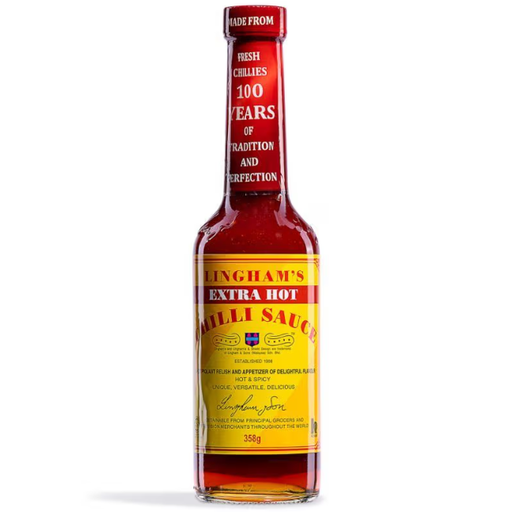
Why This Fits Their Persona: Suits shoppers who want a concentrated extra hot sauce with a short listed ingredient profile for dipping, glazing, marinating and cooking.
The product information specifies cane sugar, red chillies, salt and vinegar, making its sweet-hot balance clear before purchase.
280g format; no allergens listed in the ingredients, with shared-facility trace information provided.
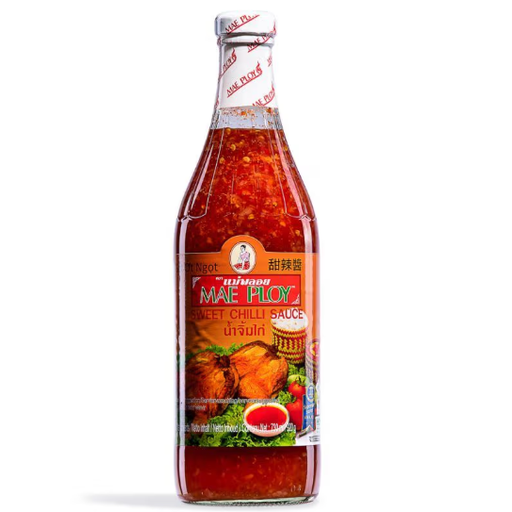
Why This Fits Their Persona: The larger bottle is practical for households that regularly serve spring rolls, grilled meats, stir-fries and Thai-style meals.
Its description clearly identifies a sweet, tangy and mildly spicy profile, so shoppers are less likely to mistake it for an extra hot sauce.
730ml size; listed ingredients include 16% chilli and garlic; suitable for dipping, glazing and marinating.
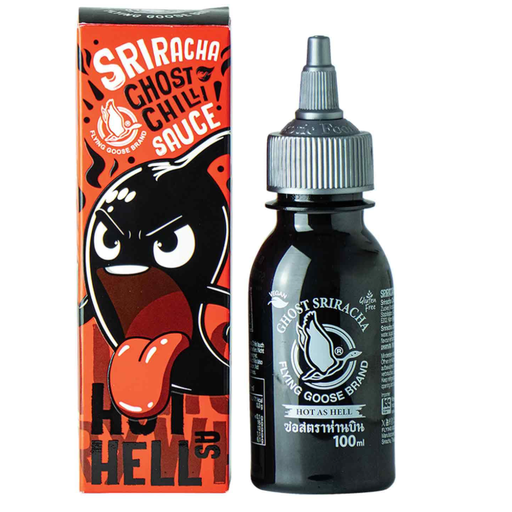
Why This Fits Their Persona: Designed for shoppers seeking a concentrated ghost chilli heat alongside familiar sriracha-style garlic and sweetness for curries, stir-fries, soups and marinades.
The 100ml bottle and explicit extremely hot warning encourage controlled portions instead of casual, heavy pouring.
Lists 45% chilli; suitable for vegetarian and vegan diets according to the supplied product information.
We have compiled a complete, real-time list of products that fully satisfy these strict selection criteria and UK safety regulations.
A medium or balanced hot sauce is usually more adaptable than an extra hot sauce. Mexican-style pepper sauces can work with eggs, pizza and tacos, while African peri peri sauce suits chicken, chips and marinades. Check the pepper type and serving suggestions before buying.
It depends on the product. Some sauces advise refrigeration after opening, while others can be stored in a cool, dry place. Follow the bottle’s storage instructions and observe any recommended consumption period after opening.
Add a small amount to a spoon before mixing it into the dish, then taste and increase gradually. You can also dilute an extra hot sauce with tomato, vinegar, yoghurt where appropriate or another cooking sauce. Avoid direct contact with eyes and sensitive skin, and wash hands after handling concentrated chilli products.