Shoppers avoiding a food allergen
Compare the exact pack’s ingredients and any precautionary warning with the allergen you need to avoid. Neither a familiar brand nor an individually wrapped pyramid establishes suitability.


Choose a hot-chocolate pyramid only if the exact assortment’s ingredients and any precautionary allergen warning fit the allergy being managed. Its shape and individual portions do not establish suitability. A powder or sachet is another option when its current pack provides information you can check, but the format does not remove allergen risk.
Compare the exact pack’s ingredients and any precautionary warning with the allergen you need to avoid. Neither a familiar brand nor an individually wrapped pyramid establishes suitability.
Find out which allergens the recipient avoids before choosing a flavour selection. A Leonidas hot-chocolate pyramid assortment listed by Chocolate Express includes milk ingredients, hazelnuts and almonds; check the precise assortment rather than relying on its gift packaging.
Check each powder, sachet or drinking chocolate separately. For example, Morrisons lists milk and soya for Galaxy Instant Hot Chocolate, while the M&S Belgian milk chocolate flakes carry nut- and peanut-allergy warnings. Those details cannot be carried over to other products from either brand.
Start with the exact product and its warnings, then consider whether its format and preparation suit the drink you want to make.
| Priority | What to check | Your needs |
|---|---|---|
| Declared ingredients | Read the ingredient list for the exact flavour and pack. The Food Standards Agency says UK food businesses must inform customers when any of the 14 regulated allergens is used as an ingredient. | I need to identify whether this particular hot chocolate contains an allergen I avoid, not assume another flavour has the same ingredients. |
| Precautionary warnings | Look for a named allergen in wording such as “may contain” or “not suitable for people with a nut allergy”. GOV.UK guidance describes precautionary labelling for potential cross-contamination that cannot be controlled. | A warning about my allergen matters even when it is not listed as an ingredient; I need to assess it against my allergy-management advice. |
| Current packaging | Check the pack supplied, including on repeat orders. Galaxy advises that the allergen information it can stand by is on the back of the pack. | An online listing helps me shortlist drinks, but I need the label on the product I receive before using it. |
| Format and preparation | Check every flavour in a pyramid assortment. For powders, sachets or flakes, check the product and any milk, plant drink or toppings added during preparation. | I may prefer a portioned chocolate or an instant drink, but I need both the product and the finished drink to fit the allergy being managed. |
An assortment may combine several recipes. Chocolate Express lists milk ingredients, hazelnuts and almonds in its Leonidas hot-chocolate pyramid selection.
Check the ingredients and warnings for the exact flavour mix, especially when buying for someone else.
An ingredient finding for one flavour or format does not establish the contents of another. Earlier purchases and online listings may also differ from the pack supplied.
Read the physical label on each purchase, including grocery deliveries, before making the drink.
A named “may contain” or “not suitable for” statement addresses potential allergen exposure beyond the listed ingredients. The Food Standards Agency has also reported consumer uncertainty about the meaning of these warnings.
Match the named allergen to the allergy being managed and the person’s allergy-management advice; do not dismiss the warning because the product is individually portioned.
Milk, plant drinks and toppings are separate ingredients to assess. Changing the preparation liquid also does not remove an allergen already present in the chocolate.
Check the hot-chocolate pack first, then the labels of everything added to prepare or serve it.
These names offer different hot-chocolate formats; suitability must be decided from the exact product, not the brand or retailer.
Cadbury hot chocolate appears in instant, drinking-chocolate and cocoa-powder formats in UK supermarket ranges.
Galaxy offers hot chocolate in formats including instant powder and sachets.
Options appears in portioned and flavoured hot-chocolate formats in UK retailer ranges.
Tesco lists own-label and branded hot chocolate in several formats.
Sainsbury's lists own-label instant and drinking chocolate alongside branded products.
M&S offers instant hot chocolate and chocolate flakes with product-specific ingredient information.
These are powder and drinking-chocolate alternatives to pyramid products, not pyramid assortments. Check each current pack’s ingredients and warnings against the allergy being managed before use.
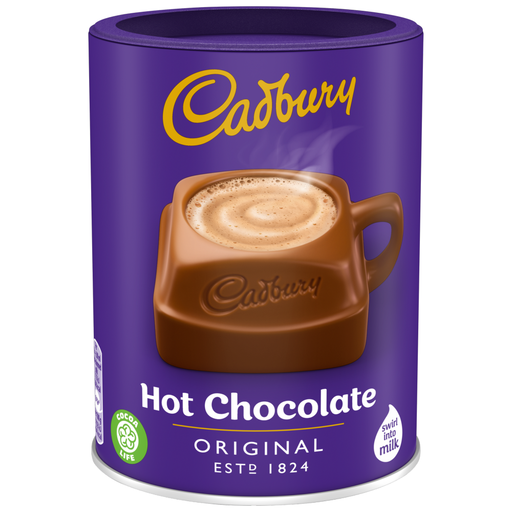 No image available
A 250 g drinking-chocolate option if you prefer this format to pyramids. Check the current pack’s ingredients and any milk-related precautionary warning, as well as the label of the liquid used to prepare it.
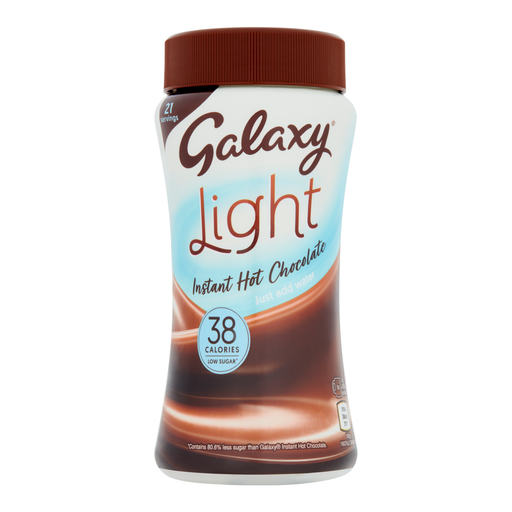 No image available
A 210 g instant-powder alternative to a pyramid assortment. If you avoid barley, milk or soya, check the exact pack’s ingredient and allergen information, including any precautionary wording, before use.
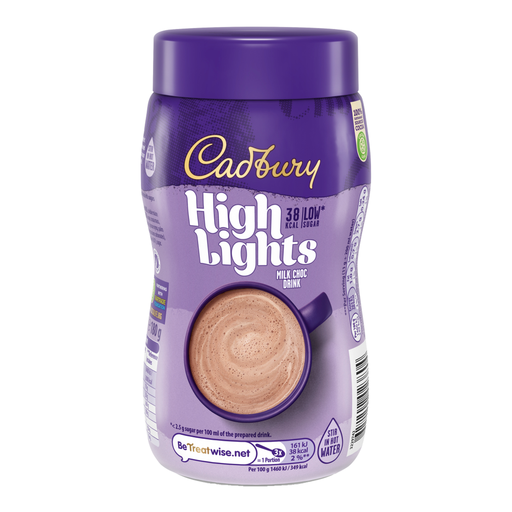 No image available
A 180 g chocolate-drink option for comparing with portioned pyramids. Check the current pack for milk ingredients and any precautionary allergen warnings; the product name alone cannot establish suitability.
No: portioning and pyramid shape do not establish allergen suitability. Check every relevant flavour’s ingredients and warnings. For example, a Leonidas pyramid assortment listed by Chocolate Express includes milk ingredients, hazelnuts and almonds.
Check the exact product’s ingredients for the allergen you avoid, then read any precautionary statement. The Food Standards Agency says UK food businesses must inform customers when any of the 14 regulated allergens is used as an ingredient; an assortment may need a separate check for each flavour.
It is precautionary allergen wording about potential unintended presence, rather than a declaration that the allergen is an ingredient. GOV.UK guidance describes its use where an identified cross-contamination risk cannot be controlled. Read the named allergen against the person’s allergy-management advice.
Use it to shortlist products, but check the pack supplied before use, even on a repeat purchase. Galaxy says the allergen information it can stand by is on the back of its packs.
Not if the chocolate itself contains an allergen you avoid. M&S Belgian Milk Hot Chocolate Flakes have a nut- and peanut-allergy warning; check the chocolate separately from the milk or plant drink used to prepare it.