Stalls serving from a kettle
Instant mixes with hot-water instructions avoid a separate milk-heating step. For a busy stall, decide how volunteers will measure each serving, and check the powder’s allergens even if no milk is added.


Choose an instant mix made with hot water if the stall has only a kettle; choose sachets if fixed portions and easier counting matter. Drinking chocolate made with filtered milk needs refrigeration and a way to heat the milk. Filtered milk is still chilled dairy, and a powder mixed with water may already contain milk ingredients, so check the exact recipe and current pack before serving.
Instant mixes with hot-water instructions avoid a separate milk-heating step. For a busy stall, decide how volunteers will measure each serving, and check the powder’s allergens even if no milk is added.
Drinking chocolate made with filtered milk is an option when the venue can refrigerate the milk and heat it for service. Arla Cravendale describes filtered milk as lasting longer unopened in the fridge, not as an ambient long-life product.
Check the powder and every ingredient added at the stall. Water-made examples listed by Sainsbury’s include milk-derived ingredients, while its own-label Instant Fairtrade Hot Chocolate also carries a soya-allergy warning related to manufacturing methods.
Choose when: Volunteers need to make repeated servings using hot water and a spoon.
Trade-off: The cited hot-water mixes still contain milk-derived ingredients, so the serving liquid alone does not establish allergen suitability.
Choose when: Fixed powder portions and counting servings matter more than measuring from a jar.
Trade-off: Individual wrapping does not make the cited Galaxy or Options sachets suitable for someone with a milk allergy.
Choose when: The stall intends to serve a milk-made drink and can refrigerate and heat the milk.
Trade-off: Filtered milk remains chilled dairy, adding storage and preparation steps rather than replacing them.
| Priority | What to check | Your needs |
|---|---|---|
| Allergen information | Read the current powder label and record any milk or other declared allergens. Include the milk or alternative added when making the finished drink. | I need families to know what is in the drink before it is served, whether the powder is mixed with water or milk. |
| Preparation | Check whether the chosen product instructs you to add hot water or hot milk. Match that method to the stall’s equipment and serving plan. | If there is only a kettle, I need a product with hot-water instructions rather than one that requires milk to be heated. |
| Portions | Compare the stated powder amount per serving and any pack yield on the same prepared-drink basis. Check what volunteers will use to measure a jarred mix. | Fixed sachets would make it easier for us to count portions; with a jar, we need a repeatable measure. |
| Milk storage | For a milk-made recipe, check the filtered milk pack’s storage instructions and date, and confirm that refrigerated storage is available until use. | We can consider filtered milk only if the stall can keep it chilled and heat it when drinks are made. |
Some instant powders contain milk-derived ingredients before any liquid is added. Describing a drink only by the water used to prepare it can give families the wrong impression.
Check the exact powder’s current label and every addition to the recipe. Do not describe the finished drink as dairy-free unless its ingredients and preparation support that description.
Arla Cravendale describes its filtered milk’s longer unopened life as refrigerated. That does not remove the need for chilled storage at a school event.
Use filtered milk only with suitable refrigeration, and follow the pack’s date and storage instructions. If the stall cannot store milk chilled, choose a preparation method that does not rely on it.
A drinking chocolate prepared with hot milk and an instant mix prepared with water are different recipes. The added milk changes the ingredients and the work needed at the stall.
Compare the intended serving sizes and complete recipes, including the amount of milk, before deciding which method the volunteers can manage.
Preparation instructions and allergen details vary by product, so use these examples to identify formats rather than treating a brand name as an allergy assurance.
Sainsbury’s lists a Cadbury Instant Hot Chocolate 300g jar with hot-water instructions and Cadbury Original Drinking Chocolate 500g with hot-milk instructions.
Sainsbury’s lists a Galaxy Instant Hot Chocolate 25g sachet prepared with water, as well as a 370g instant jar.
The cited Options Instant Belgian Hot Chocolate comes as an 11g sachet prepared with hot water.
Sainsbury’s Instant Fairtrade Hot Chocolate 350g is a jarred mix for hot-water preparation.
Marks & Spencer lists both an instant hot chocolate and a drinking chocolate prepared with hot milk.
Tesco’s Cadbury drinking-chocolate listing is a reminder to check the physical food pack when planning event ingredients.
These products relate to the hot-water and milk-made serving approaches. Check each pack and the complete drink recipe against the school’s allergy arrangements before choosing one for the sale.
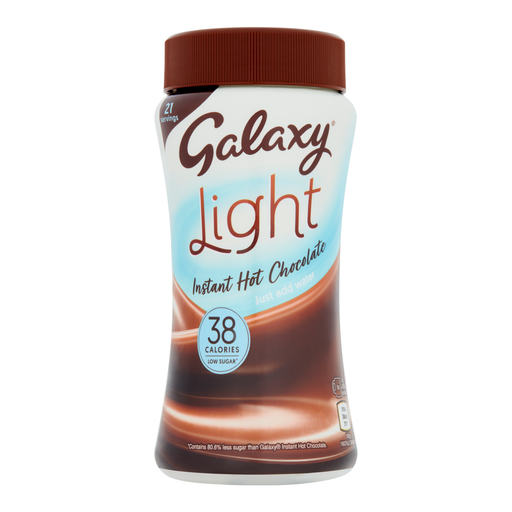 No image available
A hot-water option for a stall using a kettle rather than heating milk. The powder contains milk, so water preparation does not make the drink dairy-free; check the current pack for its ingredients and allergens before service.
 No image available
Consider this hot-milk preparation only if the stall can refrigerate and heat the milk. Filtered milk must remain chilled, and the finished drink contains milk; check the powder’s current label as well.
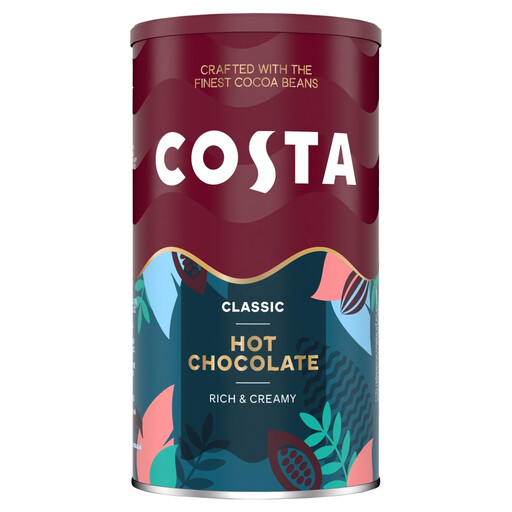 No image available
A powder to consider for a drink made with milk or a plant-based alternative. Check the chosen liquid, the complete preparation instructions and the current powder label before recording allergens for the finished serving; any filtered milk used needs refrigeration.
No. Arla Cravendale describes filtered milk as lasting up to three weeks unopened in the fridge. It still needs refrigerated storage; follow the date and instructions on the pack selected for the stall.
Do not assume so. The cited Cadbury, Sainsbury’s, Galaxy, Options and M&S instant examples contain milk-derived ingredients. Check the exact current pack and the school’s allergy arrangements, including how the drink will be prepared and served.
Record the ingredients and declared allergens of the exact powder, then include everything added to the finished drink. The Food Standards Agency says food businesses must provide allergen information; confirm with the school how information will be communicated for this event and its method of sale.
Ingredients and allergen statements can change. Tesco advises shoppers to read food labels, so prepare the stall’s ingredient information from the packs that will actually be used rather than an earlier online listing.