Families making several breakfast mugs
Plan the prepared volume and number of servings. A powder’s weight alone cannot tell you whether one pack will make the batch you have in mind.


For a six-pint family breakfast, choose the preparation method before the pack size. Drinking chocolate made with hot milk suits a planned batch; a water-prepared instant mix makes individual mugs simpler, while chocolate flakes offer a different drink style. A dry pack’s weight does not tell you how much prepared drink it makes, so use that product’s recipe to calculate the amount you need.
The useful starting point is the number and size of the mugs you intend to serve, not a jar’s dry weight.
Plan the prepared volume and number of servings. A powder’s weight alone cannot tell you whether one pack will make the batch you have in mind.
An instant mix with clear hot-water directions can help you make mugs individually. Check the quantity of powder and water specified for each one.
Compare nutrition on the same prepared-serving basis, and read the current ingredients and allergen information for the exact product before serving it.
Decide whether you will heat milk, use hot water or prepare chocolate flakes. Then work from the chosen pack’s directions to the number and size of mugs you need.
| Priority | What to check | Your needs |
|---|---|---|
| Batch volume | Find the powder quantity and liquid volume per serving. Multiply that recipe by your planned mugs; do not treat grams of dry mix as pints of prepared drink. | I’m serving several people and need to know whether one pack, plus enough milk or water, will cover breakfast. |
| Preparation | Check whether the recipe calls for hot milk or water and whether it gives a repeatable quantity per mug. Tesco’s Cadbury Drinking Chocolate directions specify hot milk; Sainsbury’s Low Calorie Instant Fairtrade Hot Chocolate specifies 11 g powder with 200 ml water. | When mugs need to be ready one at a time, I’d rather use a clearly stated water-based recipe. For a planned milk-based batch, I can allow for heating the milk. |
| Nutrition basis | Compare figures for the stated prepared serving, including the liquid used. Read the ingredients as well as total sugars; a figure for dry powder is not directly comparable with one for a prepared mug. | I want to compare what will actually go into each mug, particularly if the products use different amounts of powder or different liquids. |
| Allergens | Read the exact product’s current ingredients, allergen declaration and relevant precautionary wording. Do not assume that an instant mix or chocolate flakes are suitable from their format alone. | Someone at breakfast has an allergy, so I need to check the pack I will serve rather than rely on a brand name or an older listing. |
| Drink style | Compare the stated preparation of drinking chocolate, instant powder and flakes. For a cocoa-content preference, check the declaration on the exact product rather than assuming all flakes are alike. | I can choose a different chocolate style for a leisurely breakfast, provided its preparation still fits the amount I plan to make. |
A 2 kg drinking-chocolate pack, a 400 g instant jar and a 250 g water-prepared jar cannot be compared as prepared volume without their respective recipes.
Use the directions on the pack you choose to calculate the powder and liquid needed for your planned mugs.
Milk-based drinking chocolate also requires enough milk or a suitable alternative for the batch.
Sainsbury’s product information for its Low Calorie Instant Fairtrade Hot Chocolate identifies milk ingredients, sugar and sweetener, as well as a soya-allergy manufacturing warning. Its name alone does not establish allergy suitability.
Check the current ingredients, allergen wording and prepared-serving panel for the exact product.
Adding milk changes a prepared drink’s total-sugar figure. A dry-powder value and a prepared-mug value therefore answer different questions.
Compare the same stated serving basis, including the liquid, and read the ingredient lists alongside the nutrition panels.
Variants can have different ingredients and warnings. M&S product information marks its Collection Belgian Dark Hot Chocolate Flakes unsuitable for people with milk, nut or peanut allergies.
Check the current pack for the exact variant before serving it to someone with an allergy.
These ranges illustrate the formats to compare; the preparation and ingredient details still belong to the individual product.
Tesco lists a 2 kg Cadbury Drinking Chocolate pack, while Sainsbury’s lists drinking-chocolate and instant formats.
Tesco and Sainsbury’s list Galaxy instant hot-chocolate variants, including different formats and flavours.
Supermarket listings include Options instant hot chocolate in jars and portioned sachets, with several flavours.
Tesco lists its own-label 400 g instant hot chocolate alongside branded instant and drinking-chocolate products.
Sainsbury’s lists own-label instant hot chocolate as well as branded jars and sachets.
M&S lists instant hot chocolate, drinking chocolate and chocolate flakes.
These powders include hot-water instant options and drinking chocolate for a milk-based breakfast. For any of them, use the exact pack directions to plan a six-pint prepared batch.
 No image available
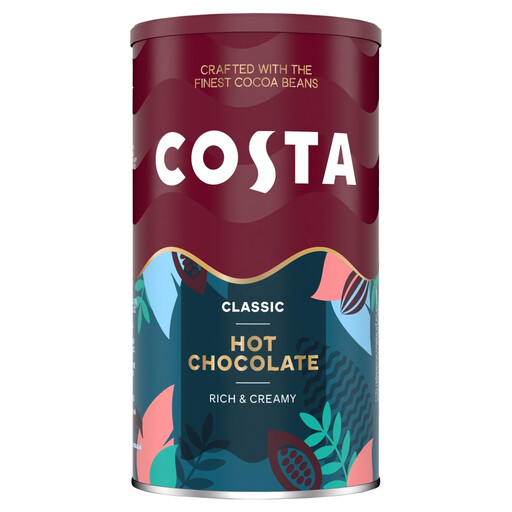
For a breakfast drink prepared with milk or a plant-based drink, check the pack’s serving directions and prepared volume before planning the batch. Read its current ingredients and allergen information before serving.
 No image available
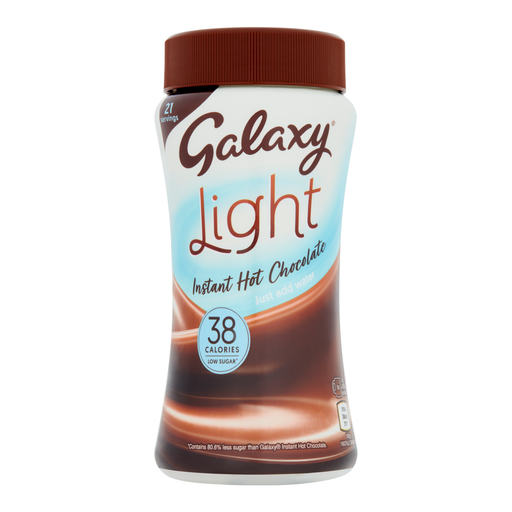
An instant option for individual hot-water mugs. Check the stated powder-to-water recipe when planning several servings; the product information identifies milk, soya and barley gluten, so check the current pack for allergy suitability.
 No image available
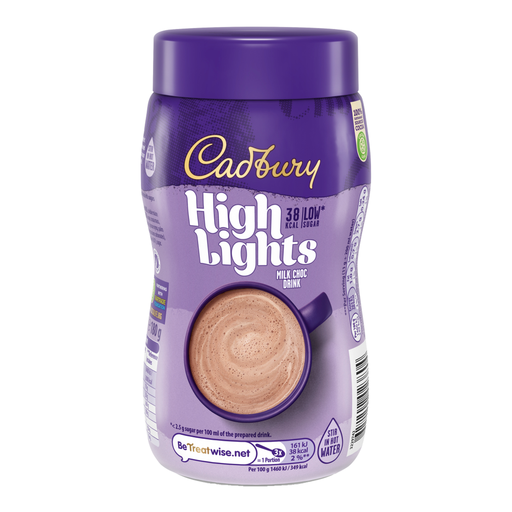
A hot-water drink option for breakfast mugs. Check the pack’s powder-to-water ratio to calculate a family batch, and read its current milk-allergen information before serving.
 No image available
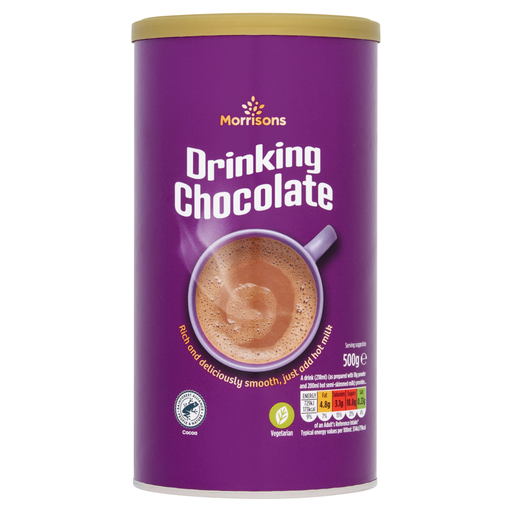
For a planned hot-milk breakfast drink, use the pack’s powder quantity and milk volume per serving to work out how much to prepare. Check its current allergen label as well.
 No image available
For a hot-milk batch, the product directions specify three teaspoons with hot milk. Check the milk volume per mug before scaling the recipe; the product information also says it may contain milk, so consult the current pack if allergies matter.
Not if you intend to make the drink from powder or flakes. For those formats, choose by the stated recipe and calculate the prepared volume you need; a dry pack’s weight is not a six-pint yield.
Multiply the directions for the exact product by the number of mugs, keeping its specified powder and liquid quantities together. Sainsbury’s directions for its Low Calorie Instant Fairtrade Hot Chocolate use 11 g powder with 200 ml water; Tesco’s Cadbury Drinking Chocolate directions instead specify three teaspoons with hot milk. Do not use one product’s recipe to calculate another’s yield.
No. Sainsbury’s product information for its Low Calorie Instant Fairtrade Hot Chocolate identifies milk ingredients, sugar and sweetener. Check the current ingredients and allergen information for whichever product you choose.
Read the current pack for the exact product, including ingredients and precautionary allergen wording, before serving. For example, the cited Cadbury Drinking Chocolate information says it may contain milk, while M&S marks its Collection Belgian Dark Hot Chocolate Flakes unsuitable for people with milk, nut or peanut allergies.
Compare the stated serving sizes and whether each nutrition panel describes dry powder or a drink prepared with water or milk. Read the ingredients too: different preparation methods can make per-mug total-sugar figures unsuitable for a direct comparison.