Organisers serving many mugs
Look for a stated portion and serving count, then match the preparation method to the hot water or hot milk you can provide. A sharing bar has no stated mug yield to plan around.


For a coffee morning serving many mugs, a powder with stated portions makes quantities easier to plan than a large eating-chocolate block with no stated drinks yield. Choose an add-water preparation if a simple self-service station matters; drinking chocolate and flakes call for hot milk and more hands-on serving. A block can still work for sharing or a recipe you have tested, but its weight alone will not tell you how many mugs to expect.
Look for a stated portion and serving count, then match the preparation method to the hot water or hot milk you can provide. A sharing bar has no stated mug yield to plan around.
Drinking chocolate or flakes are options when you can heat milk and stir drinks as you serve them. Check the pack instructions before deciding how much preparation time to allow.
Keep the exact current pack available at the serving point. Ingredient and allergen statements can differ between a brand’s bar, flakes and drinking chocolate.
Choose when: You want to prepare mugs without heating milk.
Allow for: Portion sizes and serving counts differ by product, so plan from the chosen pack rather than its weight alone.
Choose when: You can heat milk and prepare drinks as guests arrive.
Allow for: Hot milk and stirring throughout service; flakes also need to melt into the milk.
Choose when: You also want chocolate to share, or have a tested recipe for making drinks from it.
Allow for: The cited 850 g Cadbury bar has no stated hot-chocolate recipe or mug yield.
| Priority | What to check | Your needs |
|---|---|---|
| Serving capacity | Check the portion size, stated servings and whether the count applies to the pack you are buying. Caffè Prima lists 111 servings at 18 g powder per mug for its Galaxy 2 kg catering tin; Costco UK lists approximately 40 servings at 11 g for Options Choc-O-Lait 1 kg. | I need to plan for an expected number of mugs, not assume that a heavier chocolate bar will produce more drinks. |
| Preparation | Check whether the instructions call for water or hot milk, and what must be stirred or melted. The Galaxy 2 kg tin uses hot milk; Marks & Spencer describes its Belgian milk flakes as melting into hot milk. | A water-led station would suit my setup, or I can arrange enough hot milk and help to make drinks individually. |
| Allergens | Read the exact current label, including ingredients and precautionary warnings. Tesco lists milk and a may-contain warning for nuts and wheat on the Cadbury 850 g bar; Marks & Spencer labels its Belgian milk flakes unsuitable for people with nut or peanut allergy. | I want guests to be able to check the pack for the drink or chocolate actually being served. |
| Nutrition basis | Compare figures for equivalent portions and preparation methods. A bar’s chocolate-only portion is not the same basis as a drink prepared with milk; the NHS explains that label values for total sugars also include naturally occurring milk sugars. | If I compare labels, I want to know whether each figure describes powder, chocolate or a prepared mug. |
Tesco’s Cadbury Dairy Milk 850 g listing describes a chocolate bar, not a mix with a stated mug recipe or yield. Bar weight alone cannot settle how many drinks to prepare for.
For a larger gathering, plan from a powder’s stated portions. If you prefer a block, test your recipe and measure a batch before the event.
Caffè Prima’s Galaxy 2 kg drinking chocolate calls for hot milk and stirring, while Marks & Spencer’s Belgian milk flakes melt into hot milk. Both need a different setup from a water-led station.
Check that you can heat and portion milk, then stir drinks throughout the coffee morning; otherwise consider a product with add-water instructions.
A bar, flakes and drinking chocolate can have different ingredients and warnings, even when their names sound similar.
Check the exact current pack and keep it where guests can consult it. If you are serving as a food business, follow the Food Standards Agency’s applicable allergen-information guidance.
A figure for chocolate eaten from a bar does not describe a mug made with powder and milk. The NHS also distinguishes total sugars on labels from free sugars.
Use the stated portion and preparation basis for each product, and compare prepared drinks only when serving sizes and added milk are comparable.
Cadbury’s Dairy Milk 850 g product is an eating-chocolate bar, while its Drinking Chocolate 500 g is a separate product made with hot milk.
Galaxy drinking chocolate appears in a 450 g retail pack listed by Sainsbury’s and a 2 kg catering tin listed by Caffè Prima.
Costco UK lists Options Choc-O-Lait as a 1 kg powder with an 11 g serving suggestion and approximately 40 servings per pack.
Marks & Spencer describes its Belgian milk hot-chocolate flakes as a product that melts into hot milk and contains 45% cocoa solids.
These powders and drinking chocolates are options to consider if you are preparing mugs rather than sharing a chocolate block. Choose by the preparation instructions and portion information on the exact pack.
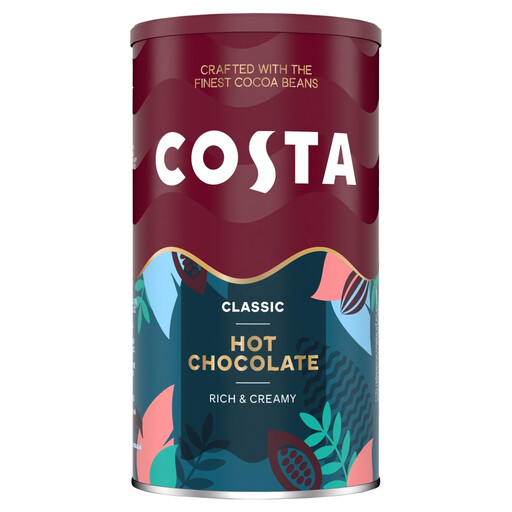 No image available
For a smaller station, this 300 g powder is a pack to consider. Check its current portion and preparation instructions when calculating how many mugs to serve.
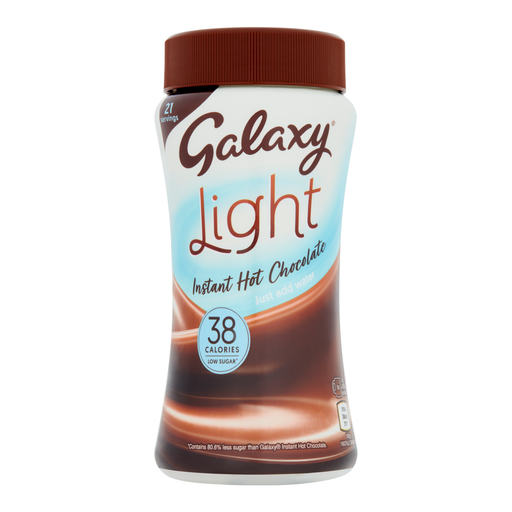 No image available
This 210 g instant hot chocolate is an option for a station using individual mugs. Check the current pack for its water or milk instructions, portion size and allergen statement before planning service.
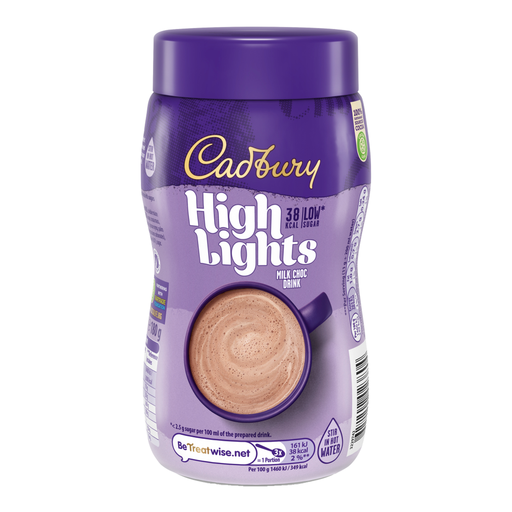 No image available
If you are considering a smaller drink pack, check the current mug recipe before estimating quantities from its 180 g weight. Read its ingredient and allergen information for the exact product being served.
 No image available
For a hot-milk station, Joybuy’s preparation suggestion is three teaspoons per mug of hot milk. The pack is 500 g; use its current instructions to plan portions, and check its may-contain-milk warning before serving.
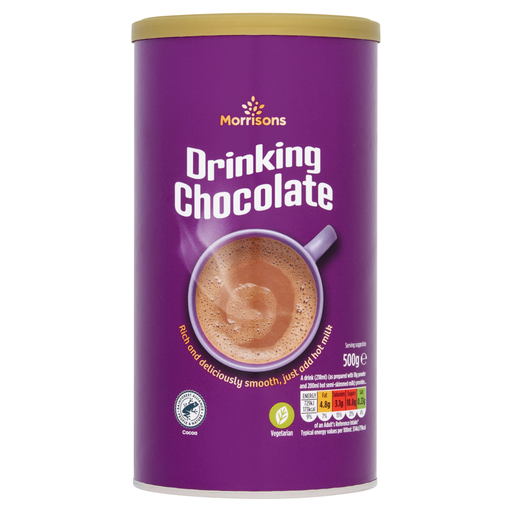 No image available
This 500 g drinking chocolate is another option if you can prepare drinks individually. Follow the current pack’s measured instructions when planning mugs, and check its allergen information before serving.
No. A sharing bar can be used with a tested drink recipe, but its weight does not establish a mug yield. If you need to plan many servings, look for a powder with a stated portion and preparation method.
Start with your expected number of mugs and the servings stated for the exact pack. Caffè Prima lists 111 servings at 18 g powder per mug for Galaxy Drinking Chocolate 2 kg, while Costco UK lists approximately 40 servings at 11 g for Options Choc-O-Lait 1 kg; follow each product’s own preparation instructions.
Choose a product with add-water instructions if you want a water-led station. Choose drinking chocolate or flakes made with milk if you can heat milk and stir drinks as they are served; check the exact pack because methods differ.
Keep the exact current packaging available and check its ingredients and warnings rather than relying on the brand name. For food businesses serving consumers directly, follow the Food Standards Agency’s guidance on providing information about regulated allergens; the requirements for a business should not be assumed to apply in the same way to an informal gathering.
Compare figures only when their portion and preparation bases are comparable: a bar serving is not a mug made with powder and milk. The NHS explains that total sugars on food labels include naturally occurring sugars in milk, so the total-sugars figure is not automatically a free-sugars figure.