Hosts serving a mixed brunch table
If guests prefer different kinds of hot chocolate, preparation is a useful starting point: an instant drink made with water and a drinking chocolate made with hot milk call for different plans at the table.


For a quick brunch mug, choose an instant hot chocolate with hot-water instructions; if you want a drink made with hot milk, consider drinking chocolate instead. Neither preparation method guarantees a milder flavour. Compare nutrition only on each product’s stated prepared-serving basis, and check the current pack for ingredients that matter to your guests.
If guests prefer different kinds of hot chocolate, preparation is a useful starting point: an instant drink made with water and a drinking chocolate made with hot milk call for different plans at the table.
If sugars or energy figures affect your choice, read the powder quantity and liquid specified for each serving. A figure for a drink made with water is not directly equivalent to one that includes milk.
Check each current pack before serving: the products discussed here have differing statements about milk, soya, barley and sweeteners.
Decide how you want to make the drink, then compare the stated serving and ingredients. Treat flavour mildness as a taste preference rather than an assumed result of either method.
| Priority | What to check | Your needs |
|---|---|---|
| Preparation | Check whether the instructions call for hot water or hot milk, and how much liquid goes into a serving. Options Belgian Choc also has instructions for mixing with a little milk before adding hot water, according to Sainsbury's. | I want a quick mug made with water, or I would rather prepare a hot-milk drink for the table. |
| Prepared serving | Tesco Groceries lists Galaxy Light at 38 kcal and 3.1 g sugars for 10 g powder with 200 ml hot water, and Options Belgian Choc at 40 kcal and 5.7 g sugars for 11 g powder with 200 ml hot water. Sainsbury's lists 23 g sugars for its cited Cadbury Drinking Chocolate serving made with milk. Keep those different serving bases in view. | If I compare label figures, I want to know what is in the finished mug, including the liquid used. |
| Ingredients | Read the current ingredients and allergen statement for the exact pack. Tesco Groceries lists milk, soya, barley and sweetener for Galaxy Light; product information for Options Belgian Choc lists milk and sweeteners, while Cadbury Drinking Chocolate is marked as possibly containing milk. | Before I serve guests, I need to check whether the powder meets their specific ingredient requirements. |
| Flavour preference | Do not use a water-based method, a light label or a sugars figure as a measure of chocolate flavour. If a particular taste matters to the group, try a small serving prepared as directed. | I am looking for a mild-feeling drink, but the people at my table may mean different things by mild. |
Preparation instructions and label figures cannot establish which hot chocolate every guest will find least chocolatey.
Choose the preparation method you want first. If flavour is decisive, make a small cup as directed before serving a group.
The cited Galaxy Light and Options servings use hot water, while the cited Cadbury Drinking Chocolate serving includes milk. Their prepared-drink figures therefore describe different recipes.
Check both powder quantity and liquid before comparing figures, especially if you intend to change the preparation.
A vegetarian or gluten-free description does not settle whether a product contains milk, soya or sweeteners. The cited product statements differ on these ingredients.
Read the ingredients and allergen statement on each pack you plan to serve.
Ingredients and allergen statements can change, so an earlier listing may not describe the pack you have.
Check the physical pack, its date and its preparation instructions before serving.
These examples illustrate preparation and ingredient differences; a brand name alone does not establish how mild a particular drink will taste.
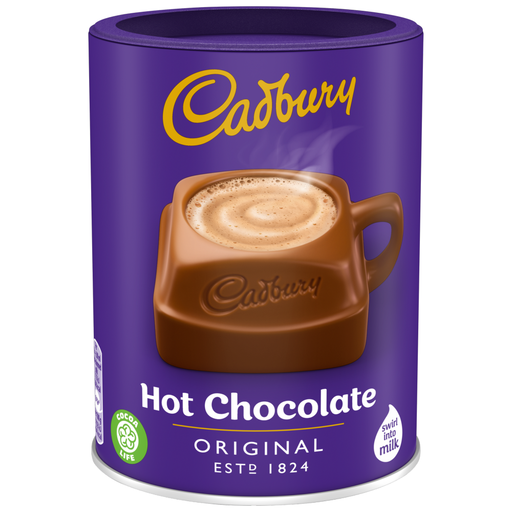
Sainsbury's describes Cadbury Original Drinking Hot Chocolate 500 g as a powder stirred into hot milk.
Tesco Groceries lists Galaxy Light Instant Hot Chocolate 210 g with a serving made using 10 g powder and 200 ml hot water.
Options Belgian Choc is an instant drink with hot-water instructions; Sainsbury's also describes adding a little milk at the mixing stage for a creamier drink.
Tesco Groceries provides product information for the cited Galaxy Light, Options Belgian Choc and Cadbury drinking-chocolate examples.
Sainsbury's lists instant hot chocolate and drinking chocolate, including the cited Options and Cadbury products.
Marks & Spencer describes both an instant hot chocolate and a Collection Belgian 50% Milk Drinking Chocolate made with milk and dark chocolate.
These options include drinking chocolates for a milk-made brunch cup, a hot-water option and a drink to consider with milk or a plant-based alternative. Choose by preparation and pack information rather than assuming any one will taste mild to everyone.
 No image available
Consider this for a hot-milk brunch drink. Check the current pack's milk warning and prepared-serving directions before offering it to guests or comparing its nutrition with water-made drinks.
 No image available
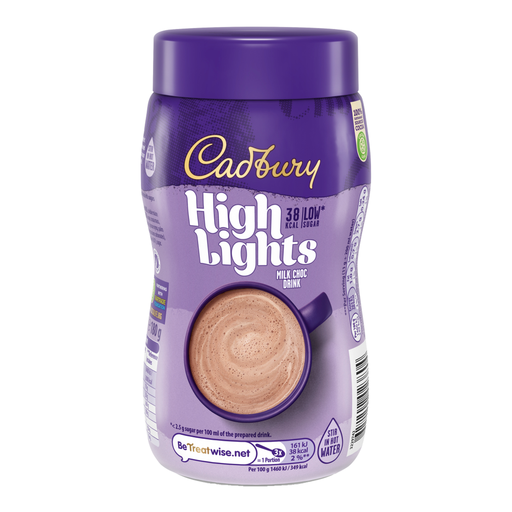
Another pack size to consider for a hot-milk cup. Check its own preparation directions and milk warning; do not assume its prepared-serving figures match those of a different pack.
 No image available
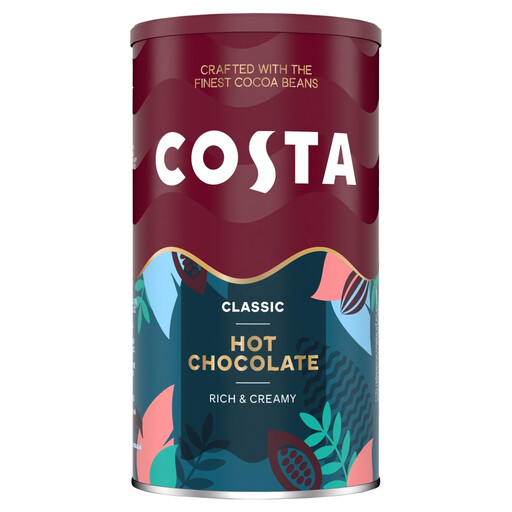
Consider this if you plan to make brunch drinks with hot water. Check the current pack for milk ingredients and sweeteners, and confirm the preparation quantities before comparing finished drinks.
 No image available
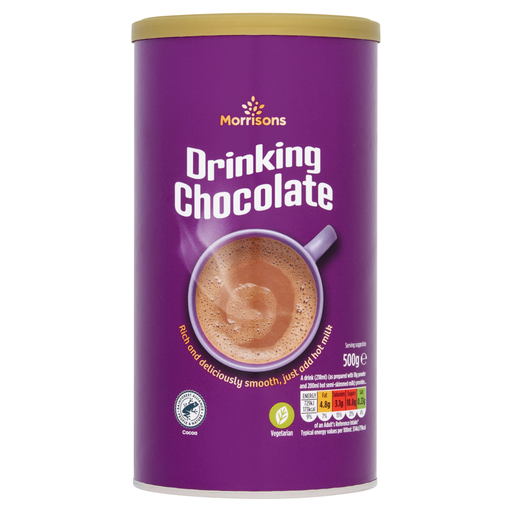
For a drink made with milk or a plant-based alternative, check the powder and chosen liquid against guests’ ingredient requirements. Compare nutrition for the finished drink, not powder alone.
 No image available
Consider this for a milk-made brunch cup. Read its current preparation and allergen information, and establish what its stated serving includes before comparing label figures.
Choose a product with hot-water instructions rather than one prepared entirely with hot milk. Galaxy Light and Options Belgian Choc have stated hot-water servings; Sainsbury's says Options can be mixed initially with a little milk for a creamier result. The method does not establish how mild either drink will taste.
The cited Cadbury Original Drinking Hot Chocolate is prepared with hot milk, while the cited Galaxy Light and Options servings use hot water. Sainsbury's lists 23 g sugars for its cited Cadbury prepared serving; compare any label figures only after checking the powder and liquid included in each serving.
Do not assume they are: product information lists milk in Galaxy Light and Options Belgian Choc, and says Cadbury Drinking Chocolate may contain milk. Check the physical pack you intend to use before serving a guest with a milk allergy.
Read the current pack's ingredients and allergen statement for the exact drink, as well as the label of any milk alternative you add. Milk, soya, barley and sweeteners are particularly relevant across the cited examples; a vegetarian or gluten-free description does not answer every guest's ingredient question.