Who is each option for?
The useful starting point is how many drinks you expect to prepare, which ingredients you want to choose yourself and whether you need a separate dairy-free recipe.
Sellers planning repeated servings
A stated serving count helps you plan portions for a busy stall. Kingdom Coffee lists Monbana Fairtrade Organic Hot Chocolate in a 1kg tub with 50 servings and instructions to add milk; check that its preparation method fits your equipment and milk storage.
Sellers planning an organic dairy drink
If organic dairy is central to the menu, assess the powder and the milk as parts of one finished recipe. The Department for Environment, Food & Rural Affairs says organic labelling and advertising depend on applicable standards and certification, so check your proposed wording before putting it on a sign.
Sellers offering a dairy-free option
A separate dairy-free mix and plant-drink recipe can give customers another choice. Check the exact product warnings and control ingredients and utensils used for each drink; dairy-free must not become a blanket allergy-safety claim.
What should you check before buying?
Choose the preparation route first, then check the finished recipe, serving plan and customer information—not just the powder’s name.
Bulk drinking-chocolate mix
Consider it when: You expect repeated orders and can prepare and store the required milk at the stall.
Trade-off: A stated powder serving count does not settle milk requirements or the organic status of the finished drink.
Dairy-free organic mix
Consider it when: You want a distinct vegan or dairy-free recipe alongside dairy drinks.
Trade-off: You still need product-specific allergen information and a way to keep preparation separate.
Unsweetened organic cocoa
Consider it when: You want to set the milk, sweetener and portions in your own recipe.
Trade-off: Cocoa powder is not a finished instant mix, so each additional ingredient and preparation step needs planning.
| Priority | What to check | Your needs |
|---|
| Organic claim |
Check certification for the exact powder and the status of added milk, syrups or toppings. Check that your wording covers the finished recipe under the applicable organic rules. |
I want customers to understand what is organic about the drink I serve, not just the powder I bought. |
| Serving plan |
Compare stated servings where available, the portion used in each cup and the equipment needed to prepare it. Kingdom Coffee lists 50 servings for its 1kg Monbana tub. |
At a busy stall, I need portions I can prepare consistently without overlooking milk storage or preparation time. |
| Ingredients and allergens |
Read the current powder label and the labels of every added ingredient. Record each recipe and keep information for dairy and dairy-free drinks distinct. |
Customers need an answer about what is in the drink they are ordering, including the milk or plant drink used. |
| Recipe control |
Decide whether a finished mix or unsweetened cocoa suits your method. For cocoa, set out the ingredients, quantities and steps before planning portions. |
I would rather choose the sweetener and milk myself, even if that means more preparation. |
| Stall setup |
Check how you will transport ingredients, prepare hot drinks, handle water and clean utensils. Match an add-milk or self-made recipe to the setup you will actually have. |
My preparation method has to work at a temporary outdoor stall, not only in a kitchen. |
Brands and retailers to recognise
These references illustrate different product formats and label checks; a retailer listing or brand claim is not a substitute for checking the pack you will use.
Monbana
Kingdom Coffee lists Monbana Fairtrade Organic Hot Chocolate as a 1kg add-milk mix with 50 servings and at least 32% cocoa.
- The stated serving count offers a basis for planning repeated service.
- Check current allergen wording, milk requirements and any claim about the prepared drink.
Booja-Booja
Booja-Booja describes its hot chocolate as organic, dairy-free and vegan, and says it can be used with different types of milk.
- It offers a starting point for a separately prepared dairy-free recipe.
- Check the current product warnings and chosen milk before answering allergy questions.
Clipper
Clipper describes its hot-chocolate range as Fairtrade organic. The Clipper Tea Shop ingredient listing for its 350g instant hot chocolate includes skimmed milk powder, whey permeate powder and 15% cocoa.
- An instant format may suit a preparation method based on the pack directions.
- That listed 350g formulation contains milk ingredients; check the exact pack if planning a dairy-free or organic-labelled offer.
Tesco
Tesco has listed Naturya Organic Hot Chocolate and Green & Black’s Organic Hot Chocolate in separate product listings.
- The listings give names to look for when comparing pack labels locally.
- Check the current ingredients and availability before planning an event menu around either product.
Sainsbury’s
Sainsbury’s hot-chocolate category has shown Cadbury, Galaxy and Options products alongside separately named organic cocoa powders.
- The category provides several product types to distinguish when reading labels.
- Do not infer organic certification for one item from another item in the same category.
Joybuy cocoa powder options
These are cocoa powders for a seller-controlled hot-chocolate recipe. They are not ready-made bulk or dairy-free drinking-chocolate mixes; plan the added ingredients and check the current packs before deciding how to describe the finished drinks.
 No image available
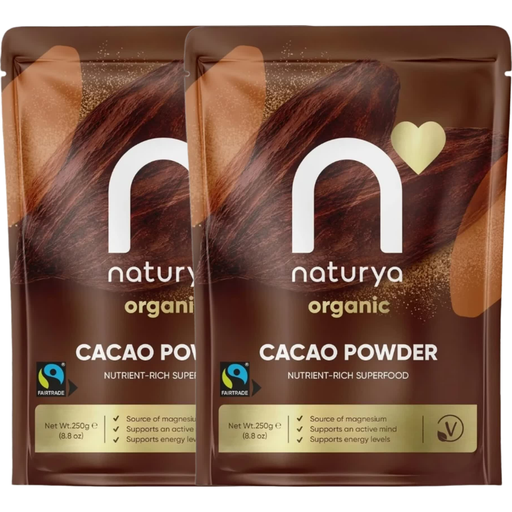
Naturya Organic Cacao Daily Wellness Support Powder, 2 × 250g
A cacao powder option if you want to set the ingredients and portions for your own hot-chocolate recipe. The title specifies two 250g packs; plan servings from your chosen recipe rather than treating the pack weight as a cup count. Check the current pack’s ingredient, allergen and organic information before using it at the stall.
View on Joybuy
 No image available
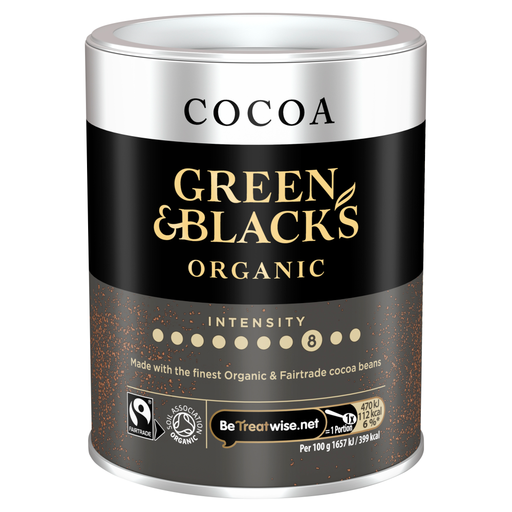
g&B Organic Cocoa 125g
A 125g cocoa powder pack for a recipe in which you choose the added milk and other ingredients. It is not a ready-made hot-chocolate mix, so establish the portion and preparation method before planning stall quantities. Check the current formulation, allergen wording and organic information on the exact pack.
View on Joybuy
Questions about selling hot chocolate
Do I need to register to sell hot chocolate at a car boot sale?
If you operate a food business from a temporary stall, GOV.UK says food-business registration applies to stalls as well as other premises. Check the registration arrangements with the relevant local authority before trading.
Should I check for permission to trade at the event?
Yes. Confirm the car boot sale organiser’s conditions for selling refreshments and check with the relevant council whether a licence applies to your particular stall. GOV.UK’s market-stall guidance describes council licensing for market traders, but that does not establish that every car boot sale has the same requirements.
Can I call a drink organic if I use organic powder?
The powder alone does not settle the claim for a drink made with milk or other additions. The Department for Environment, Food & Rural Affairs says organic labelling and advertising are subject to applicable standards and certification; check the complete recipe and your proposed menu wording before making the claim.
What ingredient information should I keep at the stall?
Keep current labels and a written ingredient and allergen record for each recipe, including the milk or plant drink used. Food Standards Agency research on small food businesses describes written menus, ingredient or allergen lists and customer prompts as ways businesses communicate this information; check the requirements that apply to your service.
Is a dairy-free hot chocolate suitable for every customer with an allergy?
No: dairy-free describes one aspect of a product, not every allergen or the complete prepared drink. Check the exact powder’s warnings, the milk or plant drink added and how the order is prepared before answering a customer’s question.


