Hosts serving drinks after lunch
If you are making several mugs, decide whether heating milk fits your plans or whether a powder made with hot water is more practical. Check the instructions on the product you choose.


Choose drinking chocolate if you plan to make guests’ mugs with hot milk, or an instant powder with hot-water instructions if simpler preparation matters. For a smaller post-lunch drink, compare nutrition using each product’s stated serving and preparation method; check the current pack for ingredients and allergens before serving.
If you are making several mugs, decide whether heating milk fits your plans or whether a powder made with hot water is more practical. Check the instructions on the product you choose.
A flavoured instant drink could sit alongside a milk-prepared drinking chocolate. Compare the stated serving sizes and ingredients so guests know what each option contains.
Check the exact pack before serving: the cited products include milk-containing mixes, a product containing soya and drinking chocolate that may contain milk. Hot-water preparation alone does not establish allergen suitability.
Start with how you want to prepare the drinks, then check the pack for allergens and compare portions on the same preparation basis.
| Priority | What to check | Your needs |
|---|---|---|
| Preparation | Read whether the powder calls for hot milk or hot water. Tesco Groceries lists three teaspoons of Cadbury Drinking Chocolate with hot milk, while its Galaxy Instant listing uses 25 g powder with 200 ml hot water. | I’m making several mugs after lunch and want preparation instructions that fit the time and equipment I have. |
| Serving nutrition | Check the quantity of powder, the liquid used and whether values describe powder or a prepared drink. Sainsbury’s lists Options Salted Caramel at 38 kcal per 11 g of powder made with 200 ml water; that is a different serving from Tesco’s 25 g Galaxy Instant preparation. | For a smaller drink after the meal, I want to know what one prepared serving actually contains rather than compare figures from different portion sizes. |
| Ingredients and allergens | Read the current pack’s ingredient and allergen declarations, including any ‘may contain’ wording. The cited Galaxy Instant product contains milk and soya, while Cadbury Drinking Chocolate may contain milk. | Someone at my table avoids a particular ingredient, so I need to check the exact product before I serve it. |
| Flavour and format | Choose a specified flavour or format rather than assuming every product in a range is alike. Marks & Spencer lists hot-chocolate options including drinking chocolate, and Sainsbury’s lists an Options salted-caramel instant drink. | I’d like guests to have a flavour choice, but I’ll check each option’s own preparation and ingredients. |
Cadbury Drinking Chocolate’s cited instructions use hot milk; the cited Galaxy Instant product uses hot water. A milk-prepared choice adds a heating step when you are serving several people.
Decide how you will make the mugs, then check the instructions on the exact product.
The cited Options Salted Caramel and Sainsbury’s Low Calorie Instant products contain milk ingredients. A calorie description does not tell you whether a drink suits a guest’s allergy requirements.
Check the ingredients and allergen declaration for the exact flavour and pack.
Sainsbury’s Options Salted Caramel listing describes an 11 g portion made with water, while Tesco’s Galaxy Instant listing specifies 25 g with water. Their figures do not describe equal quantities of powder.
Compare the serving size and preparation liquid alongside any nutrition values.
Different flavours and formats can have different ingredients. A general description of a brand’s range cannot establish what is in the pack you are serving.
Read the current physical pack and keep it available if guests need to check its ingredients.
These examples illustrate preparation and format differences; a brand name alone does not establish a product’s ingredients or allergen suitability.
Tesco Groceries lists Cadbury Drinking Chocolate as a hot-milk preparation.
The cited Galaxy Instant product is prepared with hot water.
Sainsbury’s lists an Options Belgian Salted Caramel instant drink.
Tesco Groceries provides the cited listings for Cadbury Drinking Chocolate and Galaxy Instant.
The cited own-label instant products include standard and low-calorie Fairtrade hot chocolate.
Marks & Spencer lists several hot-chocolate formats, including product-specific Fairtrade, Rainforest Alliance and vegan options.
These powders offer milk-prepared and hot-water options for drinks after Easter Sunday lunch. Check each product’s instructions and current pack before choosing what to serve.
 No image available
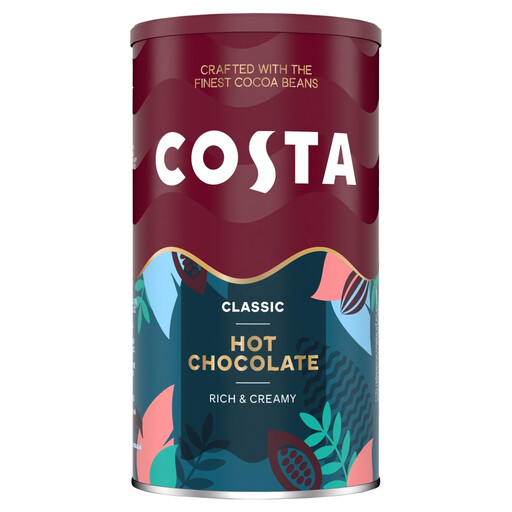
For a drink prepared after lunch, the product description says to mix this powder with milk or a plant-based alternative. It lists 36% cocoa and a 20 g powder serving; nutrition for the finished drink also depends on the liquid used. Check the current pack for allergens before serving.
 No image available
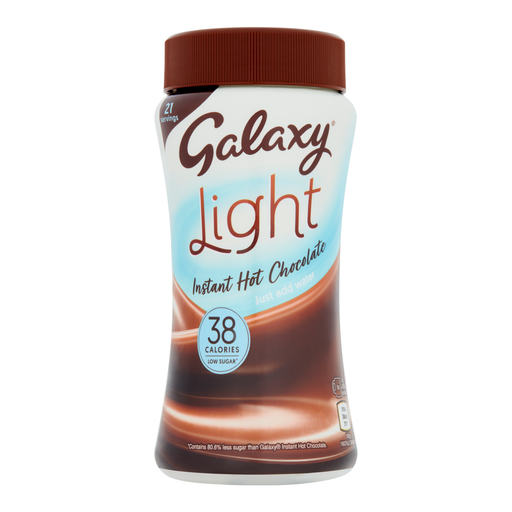
For a hot-water mug, its instructions specify 20 g powder with 200 ml hot, not boiling, water. The described ingredients include a sweetener, and the allergen information lists barley, milk and soya. Check the pack’s prepared-serving basis if you are comparing nutrition.
 No image available
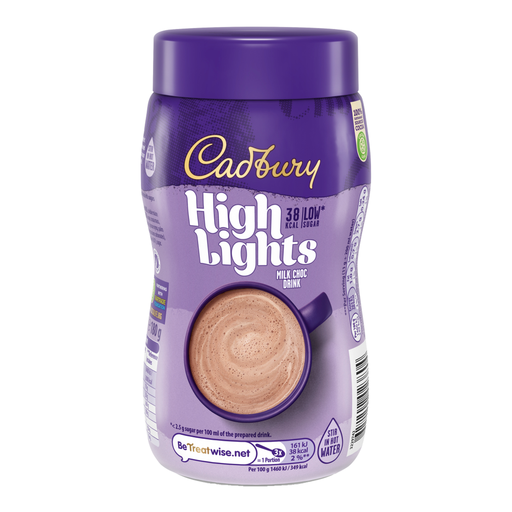
For an instant drink after lunch, the product description specifies hot-water preparation. The described ingredients include milk and sweeteners. Use the current pack’s serving and preparation instructions when comparing its nutrition with another drink.
 No image available
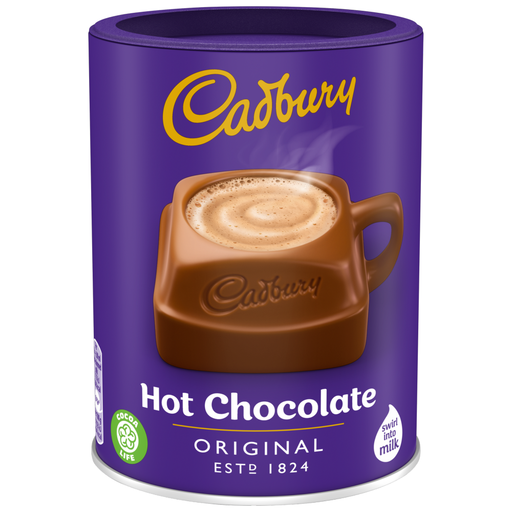
For a milk-prepared mug after lunch, its instructions say to swirl three teaspoons into hot milk. The ingredient information lists sugar and cocoa powder, with a ‘may contain milk’ warning. Check the pack’s serving basis before comparing nutrition figures.
 No image available
For a milk-prepared mug, its description instructs you to add the powder to hot milk. The ingredients listed include sugar, cocoa powder and flavouring, and the product may contain milk. Check the current pack’s serving basis if comparing nutrition.
Follow the instructions for the product you serve. Tesco Groceries lists Cadbury Drinking Chocolate for preparation with hot milk and Galaxy Instant for preparation with hot water; choosing between them changes how you need to prepare guests’ mugs.
Not necessarily. The cited Galaxy Instant product contains milk and soya, and the cited Sainsbury’s own-label instant products contain milk. Read the exact current pack before serving a guest who needs to avoid either allergen.
Compare them only with their serving sizes and preparation methods alongside the figures. Sainsbury’s Options Salted Caramel listing uses 11 g powder in 200 ml water, while Tesco’s Galaxy Instant listing uses 25 g powder in 200 ml water; those are not equal portions.