Bakers following a cocoa-powder recipe
If your loaf, babka or enriched dough specifies cocoa powder, choosing a product labelled for baking lets you follow that ingredient list without treating a sweetened drink mix as the same thing.


Buy cocoa powder when a chocolate bread recipe calls for cocoa or when you want to measure the dough’s sugar and dairy ingredients separately. Choose drinking chocolate or an instant hot-chocolate jar only if the recipe specifies it, or if you are deliberately adapting and testing the dough: these mixes can add sugar, milk ingredients and other components alongside cocoa.
If your loaf, babka or enriched dough specifies cocoa powder, choosing a product labelled for baking lets you follow that ingredient list without treating a sweetened drink mix as the same thing.
A familiar drinking-chocolate or instant-hot-chocolate flavour may be part of the variation you want to try. Check its sugar and other ingredients before changing the recipe, then test the adapted dough on a small scale.
Milk can be an ingredient in instant mixes, while a short cocoa ingredient list can still carry a precautionary warning. Read the current pack for the exact product before baking for someone with a relevant allergy.
Start with the powder named in the bread recipe. If you want to use a drink mix instead, its ingredient list tells you which parts of the dough need reconsidering.
| Priority | What to check | Your needs |
|---|---|---|
| Recipe match | Check whether the recipe specifies cocoa powder, drinking chocolate or an instant mix. If it specifies alkalised cocoa, check the cocoa product’s ingredients rather than assuming every chocolate jar matches. | When I’m following a cocoa-powder recipe, I want to measure cocoa and sugar as separate ingredients. |
| Added sugar | Read the ingredient order and sugar information on the current pack. Tesco lists sugar first in Cadbury Drinking Chocolate; an instant mix can also contain sugar alongside its cocoa. | If I’m making a sweeter variation, I need to account for the sugar already in the powder before deciding how much the dough recipe needs. |
| Milk and allergen warnings | Check both declared milk ingredients and precautionary statements. Sainsbury’s says its Cocoa is unsuitable for customers with milk or soya allergy because of manufacturing methods, despite listing cocoa powder and potassium carbonate as ingredients. | I’m baking for someone with an allergy, so the current label for the exact product matters more than a general description of cocoa or hot chocolate. |
| Other mix ingredients | Look for oils, milk powders, thickeners and sweeteners as well as cocoa. Tesco’s Options Belgian Choc listing, for example, includes coconut oil, xanthan gum and the sweeteners acesulfame K and sucralose. | For an adapted loaf, I want to know what the drink mix adds before relying on the original cocoa-powder recipe’s quantities. |
Drinking chocolate and instant hot chocolate contain ingredients beyond cocoa; Cadbury Drinking Chocolate, for instance, lists sugar before cocoa powder. Using the same measured quantity changes what goes into the dough.
Buy cocoa powder for a recipe that names cocoa. If you intentionally use a sweetened mix, reconsider the recipe’s sugar and test a small batch rather than making a one-for-one swap.
Cadbury Drinking Chocolate says it may contain milk, and Sainsbury’s Cocoa carries a milk and soya manufacturing-method warning. A short ingredient list does not cancel a precautionary statement.
Read the current pack, including its warnings, before baking for someone with a relevant allergy. Do not use a product whose ingredients or warning make it unsuitable for that person.
Tesco lists both sugar and sweeteners in Options Belgian Choc, alongside cocoa, milk permeate and other drink-mix ingredients. Its formulation is different from cocoa powder, regardless of how the finished drink is described.
Use that exact mix only in a recipe designed for it or in a deliberate, tested adaptation; do not assume a claim about the drink describes the baked loaf.
Galaxy Instant Hot Chocolate includes milk-derived ingredients, sugar and coconut oil in addition to cocoa, according to Sainsbury’s listing. Those ingredients need consideration when the original recipe specifies cocoa powder.
Check the jar’s full ingredient list before adapting the dough, and test the result rather than assuming the loaf will behave the same way.
These named products illustrate different formulations; a brand name alone does not tell you whether a particular jar matches your bread recipe.
Cadbury Drinking Chocolate and Cadbury Instant Hot Chocolate are distinct products to check against the recipe.
Galaxy Instant Hot Chocolate Jar is a formulated milk-chocolate-style drink mix, prepared with hot water.
Options Belgian Choc Jar is an instant drink mix containing cocoa alongside other ingredients.
Sainsbury’s Cocoa is described as suitable for drinking and baking, unlike a product presented solely as an instant drink mix.
M&S Instant Hot Chocolate is a drink mix rather than a plain baking cocoa.
These drinking-chocolate and hot-chocolate powders are options for a deliberately adapted chocolate dough, rather than direct replacements for cocoa powder in a recipe that specifies it.
 No image available
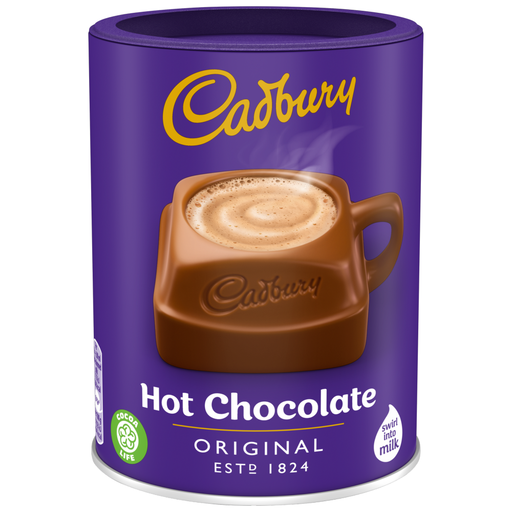
Consider this for a sweeter chocolate bread variation that you plan to test, not as a measured swap for cocoa powder. The Joybuy listing names sugar, cocoa powder, potassium carbonates and flavouring, and states “MAY CONTAIN MILK”; check the current pack when allergens matter.
 No image available
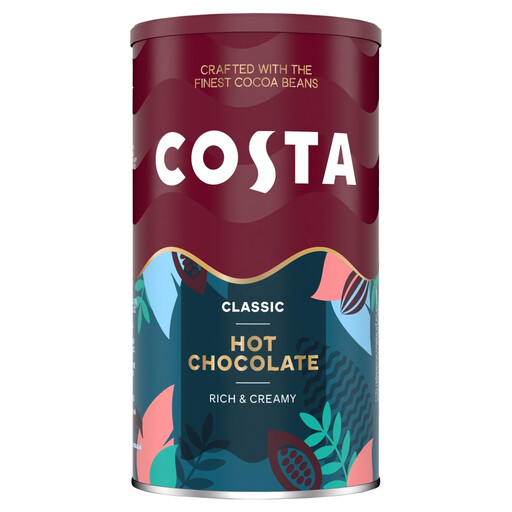
If you want to adapt a chocolate dough using hot-chocolate powder, check this product’s current ingredient and allergen information before changing the recipe. Test a small batch rather than replacing cocoa powder measure for measure.
Not as a routine one-for-one swap. Drinking chocolate and instant mixes can add sugar, milk ingredients or other components that a cocoa-powder recipe measures separately. Use the product type the recipe names, or deliberately adapt the ingredients and test a small batch.
Choose cocoa powder rather than a ready-sweetened hot-chocolate mix. Sainsbury’s describes its Cocoa as suitable for drinking and baking and lists cocoa powder and potassium carbonate as ingredients. If the recipe specifies a particular cocoa type, check that requirement against the pack too.
Do not assume it is. Sainsbury’s Galaxy Instant listing and Tesco’s Cadbury Instant listing contain milk-derived ingredients; Cadbury Drinking Chocolate also carries a “MAY CONTAIN MILK” statement. Check the current ingredients and warnings for the exact product before baking for someone with a milk allergy.
No. The Food Standards Agency explains that precautionary allergen labelling communicates possible unintended allergen presence. Do not assume baking removes the risk indicated by the product’s current warning when making food for someone with the relevant allergy.