Workers with only a kettle
If hot water is all the office kitchen provides, look for preparation directions that explicitly allow it. Do not assume a drinking chocolate intended for hot milk will suit the same routine.


If you only have a kettle and mug at work, start with an instant hot chocolate whose own directions confirm it can be made with hot water. A drinking chocolate that specifies hot milk makes more sense when milk is reliably available; either way, check the current label for ingredients, nutrition per prepared serving and storage instructions.
If hot water is all the office kitchen provides, look for preparation directions that explicitly allow it. Do not assume a drinking chocolate intended for hot milk will suit the same routine.
If calories, sugar or sweeteners matter to your choice, compare the stated serving sizes and ingredients. A light or low-calorie name does not tell you everything about the prepared drink.
Read the current jar’s ingredients and allergen wording before use, particularly if milk or precautionary labelling matters to you. An older online listing is not a substitute for the pack in hand.
Check how you will make the drink before comparing serving information and the practicalities of keeping an opened jar at work.
| Priority | What to check | Your needs |
|---|---|---|
| Preparation | Read the exact jar’s directions for hot water or hot milk. Check whether the required ingredients and equipment are available at work. | I only have a kettle and mug at lunchtime, so I need a product whose directions allow hot-water preparation. |
| Serving information | Compare nutrition on the same basis: powder or prepared drink, and the stated serving size. Read the ingredients for milk-derived components and sweeteners. | Calories or sugar matter to my choice, but I want to know what the figures represent in the drink I will actually make. |
| Allergens | Read the current pack’s ingredient and allergen information, including any “may contain” wording. The Food Standards Agency explains that precautionary wording indicates possible unintended allergen presence. | Before using a jar in a shared kitchen, I need to check whether its current label fits my own allergy requirements. |
| Storage and size | Check the pack’s storage directions and any period for using it after opening. Marks & Spencer says its 250 g Instant Hot Chocolate should be consumed within four weeks of opening. | I would rather choose a jar I can store as directed and finish within its stated opened-pack period. |
Joybuy’s directions for Cadbury’s Drinking Chocolate 250 g specify hot milk, which changes what you need to bring or obtain for lunch.
Read the directions for the exact jar; if milk is not reliably available, choose one that explicitly allows hot water.
A milk-based method also means arranging the milk and its storage at work.
Marks & Spencer lists whey permeate, dried skimmed milk and sucralose in its Low Calorie Instant Hot Chocolate. Its stated 38 kcal per serving does not replace an ingredient check.
Compare the serving information and full ingredient list with your own dietary requirements.
Marks & Spencer cautions that product information can change. Allergen wording on an earlier listing may not describe the jar you are about to use.
Read the physical label when buying a new jar or switching products, and follow your personal allergy guidance.
The Cadbury’s Drinking Chocolate 250 g listing describes a product prepared with hot milk.
Tesco Groceries lists a Galaxy Instant Hot Chocolate Drink in a 370 g jar.
Tesco Groceries lists Options hot-chocolate jars in a 220 g format.
Tesco Groceries lists its own-label Instant Hot Chocolate in a 400 g jar.
Marks & Spencer lists instant, low-calorie instant and drinking-chocolate products with different preparation and ingredient considerations.
These options include instant drinks to assess for a kettle-only lunch and drinking chocolates to consider when milk is available. Check each jar’s current directions before deciding how to prepare it at work.
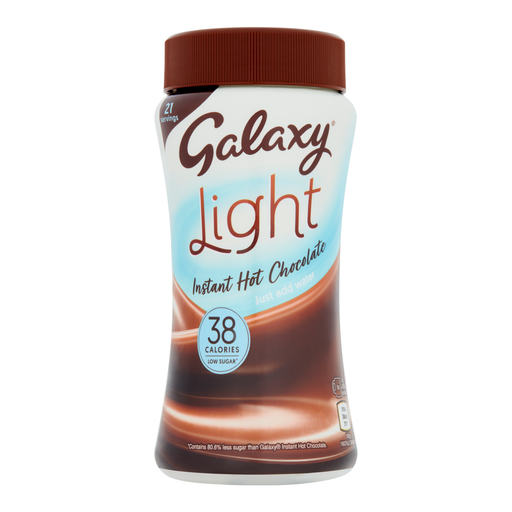 No image available
For a kettle-only lunch, check the pack’s hot-water directions. Read the current allergen information and compare nutrition on a prepared-serving basis if that affects your choice.
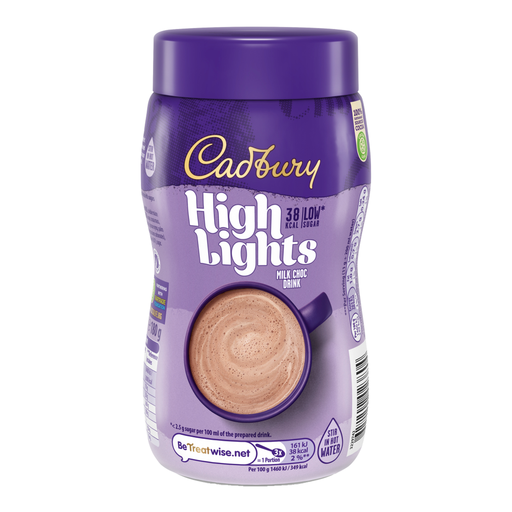 No image available
If you plan to make this at a kettle-only office, confirm the current pack’s preparation directions. Check its milk ingredients, sweeteners and prepared-serving nutrition against your requirements.
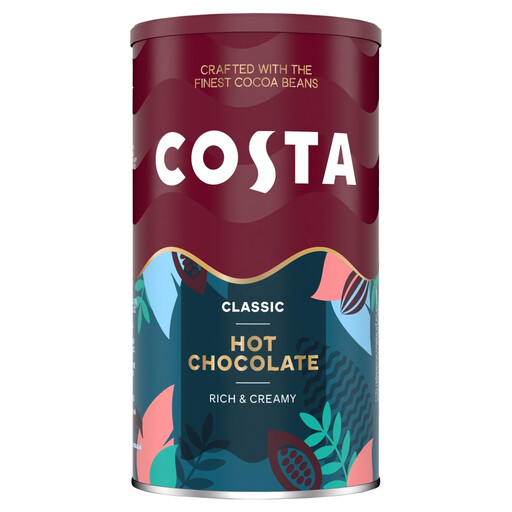 No image available
Consider this 300 g powder if you can use milk or a plant-based alternative at work. Check the pack’s method; when comparing nutrition, account for what you add to the powder.
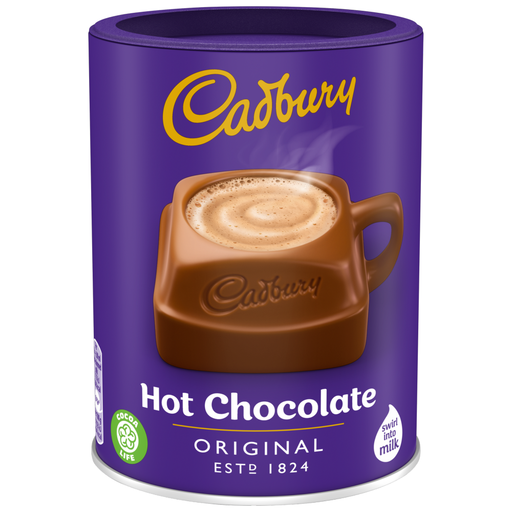 No image available
This is an option when hot milk is available at work: Joybuy’s product directions say to swirl three teaspoons into hot milk. The listing also says “may contain milk”, so check the current pack if allergen wording matters to you.
 No image available
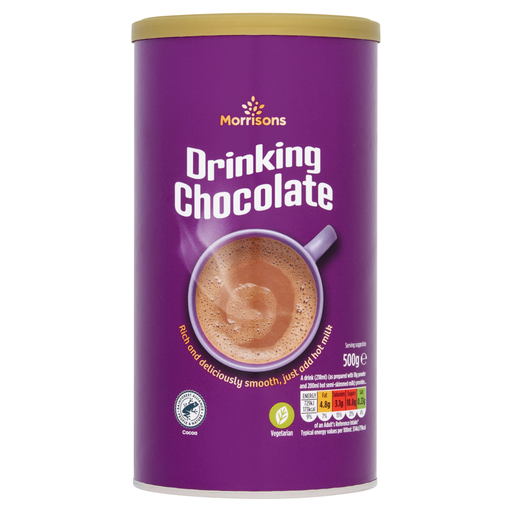
For a lunch break where milk is available, check this drinking chocolate’s preparation directions. Confirm the serving quantity, allergen information and opened-pack instructions on the current 500 g jar.
Choose an instant hot chocolate only when its own directions confirm hot-water preparation. For contrast, Joybuy’s Cadbury’s Drinking Chocolate 250 g directions specify hot milk.
Use the current physical pack as your final check. UK food-labelling guidance from the Department for Environment, Food & Rural Affairs and the Food Standards Agency says prepacked foods must give ingredients including allergens, while Marks & Spencer warns that its product information can change.
No. Marks & Spencer states that its Low Calorie Instant Hot Chocolate has 38 kcal per serving, but lists whey permeate and dried skimmed milk among its ingredients, as well as sucralose. Check the exact product label for your dietary requirements.
Follow that jar’s storage and opened-pack directions. Marks & Spencer says its instant and low-calorie instant hot chocolates should be stored in a cool, dry place and consumed within four weeks of opening; use an office cupboard or drawer only if it meets the pack’s conditions.
Check the food name, ingredients and allergens, net quantity and date marking. UK guidance from the Department for Environment, Food & Rural Affairs and the Food Standards Agency also identifies the responsible food business operator’s details as required packaging information for prepacked food.