Breakfast managers running self-service stations
Match the drink’s preparation instructions to the hot-water or milk-heating equipment you have, the number of servings you expect and the way guests will access allergen information.


For a hotel breakfast station built around hot water, choose an instant powder whose stated recipe uses water; filtered milk is not needed for that recipe. A hot-milk drinking chocolate makes milk supply and storage part of the service, while individual sachets separate portions but require each drink to be prepared. Whichever route you choose, check the current product and complete served recipe for allergens.
Match the drink’s preparation instructions to the hot-water or milk-heating equipment you have, the number of servings you expect and the way guests will access allergen information.
Filtered longer-life milk is worth considering if the chosen recipe uses milk or guests can add it. For a hot-water recipe, compare milk stocks against the separate drinks and buffet items that actually need them.
Check the exact powder and everything added at service. The Food Standards Agency’s guidance for England, Northern Ireland and Wales and Food Standards Scotland’s guidance require food businesses to provide allergen information for prepacked and non-prepacked food and drink and to manage allergens during preparation and service.
Choose the preparation method before deciding on pack format or whether to stock milk for the hot-chocolate station.
Choose when: The station has hot water and the drink needs to be available without adding milk.
Keep in mind: A water-based recipe can still contain milk ingredients; check the powder’s allergens.
Choose when: The intended buffet recipe is made with hot milk and staff can manage that preparation.
Keep in mind: Milk becomes a separate ingredient to stock, store and include in the served drink’s allergen information.
Choose when: Separately packed portions suit a lower-volume station or a guest-prepared drink.
Keep in mind: Each serving needs its own packet opened and mixed; a sachet is not automatically milk-free.
| Priority | What to check | Your needs |
|---|---|---|
| Preparation | Read the exact pack’s water or milk instructions. Check the equipment and mixing method needed at the station. | I want guests or staff to make the drink with the equipment already available, without adding a separate milk step unless the recipe calls for one. |
| Milk planning | Check whether milk is required or optional, then follow the selected milk’s storage and use instructions. Arla says Cravendale filtered milk stays fresh for up to three weeks unopened and seven days after opening. | Breakfast demand varies, so I need a milk supply that fits the recipe and the amount likely to be used after opening. |
| Allergen information | Check the current powder label or supplier specification and the full served recipe, including added milk, alternatives and toppings. Update buffet information when the product or recipe changes. | Guests need accurate information about the drink they are actually served, not just the name on the powder container. |
| Portions and replenishment | Compare the pack size, stated serving measure and how each drink is dispensed or mixed. Options Belgian Choc is sold as an 11 g sachet, according to Tesco’s product listing. | For a busy station, I need a workable replenishment routine; for occasional servings, separate portions may be easier to manage. |
The Cadbury Instant, Galaxy Instant and Tesco Instant examples listed by Sainsbury’s and Tesco have hot-water preparation instructions. Stocking milk does not change those stated recipes.
Decide whether the hotel will serve a hot-water drink, a hot-milk drink or an optional milk-added version before planning milk stocks.
Ingredients differ: Tesco’s Galaxy Instant listing declares milk and soya, while ingredient information for Options Belgian Choc includes milk-derived ingredients.
Record the current product and complete recipe, including any milk, alternatives or toppings offered. Keep that information available to guests and staff.
Options Belgian Choc can be mixed with a little milk alternative, but its listed powder ingredients include milk permeate and skimmed milk powder.
Check the powder’s own declaration as well as the liquid added before describing a prepared drink to guests.
Tesco and Sainsbury’s both warn that product ingredients can change. A different pack or substitute product may therefore need a different buffet record.
Check the pack or current supplier specification when stock arrives, and revise the information used at service before offering a replacement.
These examples illustrate preparation formats; check the exact variant rather than applying one product’s instructions to a whole brand.
The Cadbury Instant Hot Chocolate Jar 300 g listed by Sainsbury’s is a hot-water example. It is distinct from Cadbury Drinking Chocolate products with hot-milk preparation instructions.
Tesco lists Galaxy Instant Hot Chocolate Drink 370 g as a powder prepared with hot water.
Tesco lists Options Belgian Choc as an 11 g sachet prepared mainly with hot water, with a little milk or a preferred milk alternative optional in its instructions.
Tesco Instant Hot Chocolate 400 g is listed as a just-add-hot-water option.
These hot-chocolate powders include a hot-water option and products selected for hot-milk preparation. Compare the current pack instructions and full served recipe before choosing one for the buffet.
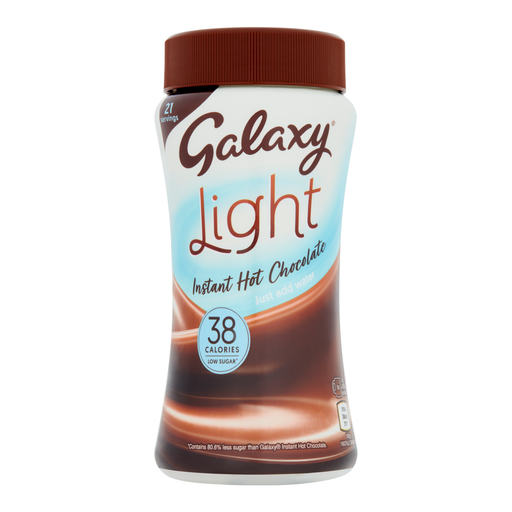 No image available
Its stated hot-water recipe suits a station without a milk-preparation step; hot milk is an optional preparation. The product information lists barley, milk and soya allergens. Check the current pack and the recipe served at the buffet.
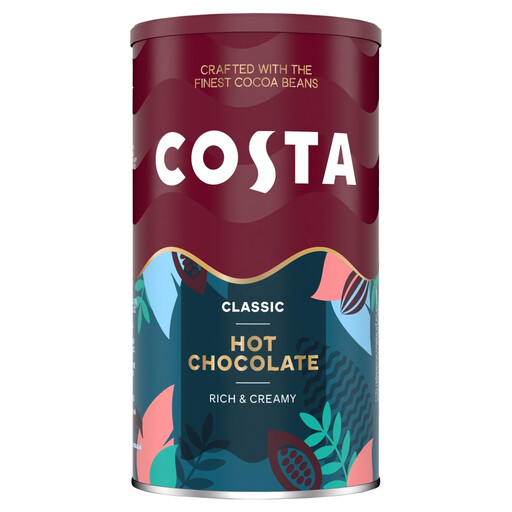 No image available
This is an option for a deliberately milk-added service: its stated preparation uses milk or a plant-based alternative rather than establishing a water-only recipe. Check the current pack’s allergen declaration and include the liquid actually used in the buffet record.
 No image available
Consider this 500 g pack for a hot-milk recipe rather than assuming it follows Cadbury Instant’s hot-water instructions. Its product information includes a may-contain-milk statement; check the current pack and account for the milk used to prepare each drink.
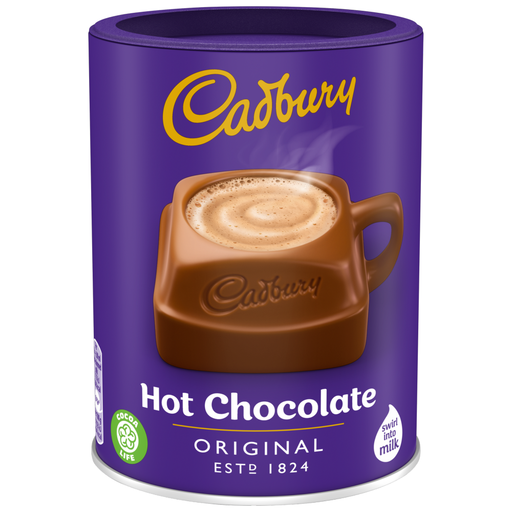 No image available
This 250 g variant is selected for a hot-milk recipe, not a confirmed water-only preparation. Its product information includes a may-contain-milk statement. Check the current pack and record the ingredients in the drink as served.
Yes. Food Standards Agency guidance for England, Northern Ireland and Wales and Food Standards Scotland guidance require food businesses to provide allergen information for prepacked and non-prepacked food and drink and to manage allergens during preparation and service. Base the buffet information on the current product and the drink actually served, including added milk, alternatives or toppings.
Not for a product whose stated recipe uses hot water and instant powder, such as the Cadbury Instant, Galaxy Instant and Tesco Instant examples listed by Sainsbury’s and Tesco. Filtered milk becomes a stock-planning choice if the hotel serves hot-milk chocolate or offers milk to add. Arla says Cravendale stays fresh for up to three weeks unopened and seven days after opening; follow the instructions on the milk actually purchased.
Use the current pack label or supplier specification and the complete served recipe for the buffet record. Tesco and Sainsbury’s warn that product ingredients can change, so recheck the information when a pack, supplier or recipe changes.
No: ingredient information for the researched Options Belgian Choc sachet includes milk permeate powder and skimmed milk powder, even though its instructions allow a little milk alternative to be added. Check the exact current flavour and pack before describing the finished drink to guests.