Someone who enjoys a milky mug
A traditional drinking chocolate makes sense if they are happy to heat milk. The Cadbury and Galaxy products described by Sainsbury’s both give hot-milk directions.


Choose a hot-milk drinking chocolate for someone happy to heat milk, or a water-mix instant powder if kettle-only preparation is more useful. A dark blend is another option for someone who already enjoys dark chocolate. Check the specific pack’s ingredients and allergen statement before gifting: mixing a powder with water does not necessarily make it milk-free.
The recipient’s usual way of making a drink is a useful starting point for a Mother’s Day choice.
A traditional drinking chocolate makes sense if they are happy to heat milk. The Cadbury and Galaxy products described by Sainsbury’s both give hot-milk directions.
Consider a dark drinking chocolate if you know they prefer a cocoa-led flavour. Marks & Spencer describes its Collection dark blend as not overly sweet and states that it contains at least 72% cocoa solids.
An instant powder with hot-water directions suits a routine that does not involve heating milk. Options Belgian Chocolate is one example, but its listed ingredients include milk, so check dietary requirements before gifting it.
Start with how the recipient will prepare the drink, then consider flavour preference, allergens and the basis of any nutrition figures.
Choose when: The recipient enjoys a milk-prepared mug and is willing to heat milk.
Bear in mind: Milk is part of the finished drink, so powder-only figures do not describe the serving they will make.
Choose when: Hot water from a kettle fits the recipient’s routine better than heating milk.
Bear in mind: Water-mix powders can still contain milk ingredients, as the Options Belgian Chocolate listing shows.
Choose when: You know the recipient enjoys dark chocolate rather than choosing it solely from a cocoa percentage.
Bear in mind: Marks & Spencer says its 72% Dark Drinking Chocolate is not suitable for people with milk or soya allergy.
| Priority | What to check | Your needs |
|---|---|---|
| Preparation | Read the directions for the liquid, powder amount and serving size. The Cadbury drinking chocolate listed by Sainsbury’s uses hot milk; Options Belgian Chocolate uses hot water. | Will I be making this with hot milk, or would a kettle-made mug get more use? |
| Flavour direction | Check the blend description and cocoa information without assuming cocoa percentage alone predicts everyone’s preference. Marks & Spencer states at least 72% cocoa solids for its Collection dark blend. | The recipient likes dark chocolate, so I want a cocoa-led blend; otherwise I would choose a flavour I know they enjoy. |
| Allergens | Check the current ingredients, precautionary statements and product-specific suitability wording. Options contains milk ingredients; Sainsbury’s says its 300 g drinking chocolate is unsuitable for customers with milk or soya allergy because of manufacturing methods. | If I am buying for someone with an allergy, the exact product’s pack needs to fit their requirements—not just its instant, dark or vegetarian description. |
| Nutrition basis | Compare figures only after checking powder quantity, liquid and finished serving. As listed by Asda and Sainsbury’s respectively, Options gives 40 kcal for 11 g powder in 200 ml hot water, while Galaxy gives a prepared serving based on 18 g powder and 200 ml semi-skimmed milk. | I want to compare what will actually go into each mug, rather than treating a water-prepared figure as equivalent to a milk-prepared one. |
Asda lists Options Belgian Chocolate at 40 kcal for 11 g powder in hot water; Sainsbury’s Galaxy serving information includes 200 ml semi-skimmed milk. Those are different preparations.
Check the powder amount, liquid and serving size before comparing nutrition panels.
Options contains milk ingredients despite its hot-water directions. The listed Cadbury drinking chocolate may contain milk, while Marks & Spencer says its 72% dark blend is unsuitable for people with milk or soya allergy.
For an allergy-sensitive gift, check the current pack against the recipient’s specific requirements.
A cocoa-led dark drinking chocolate and a conventional sugar-and-cocoa powder offer different flavour directions; a dark label does not establish which the recipient will prefer.
Choose the dark route when you know they enjoy dark chocolate, rather than relying on the cocoa percentage alone.
Tesco cautions that food ingredients and allergen information can change when products are reformulated.
Read the pack you receive, particularly before serving the drink to someone with an allergy or intolerance.
These product-specific examples illustrate different preparation and ingredient choices; they do not describe every blend a brand makes.
Sainsbury’s lists Cadbury Drinking Chocolate 250 g as a powder mixed with hot milk.
The Galaxy Drinking Chocolate 450 g listed by Sainsbury’s is prepared with hot milk.
Options Belgian Chocolate 220 g is an instant powder with hot-water directions.
Sainsbury’s Drinking Chocolate 300 g is an own-label sugar-and-cocoa powder.
Marks & Spencer’s Collection 72% Dark Drinking Chocolate offers a distinctly dark option.
Tesco lists several own-label drinking-chocolate and instant options alongside named brands, rather than one Tesco blend profile.
These options cover hot-water drinks and drinking chocolates for a hot-milk mug. Choose by the recipient’s preparation routine and check the current pack where ingredients or allergens matter.
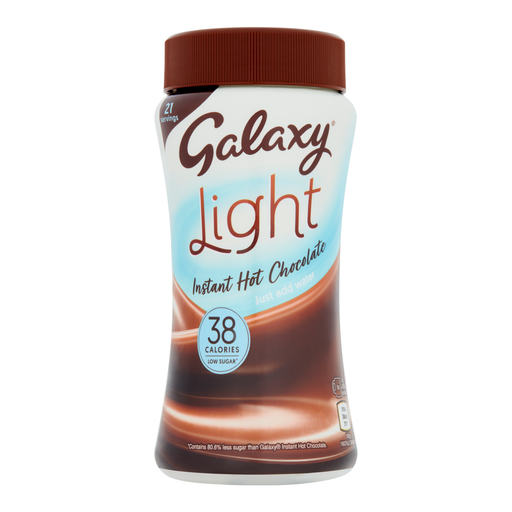 No image available
A hot-water option for a recipient who usually makes a kettle-prepared mug; the listed directions also allow hot milk. The product information identifies milk, soya and barley gluten, so check the current pack against any dietary requirements.
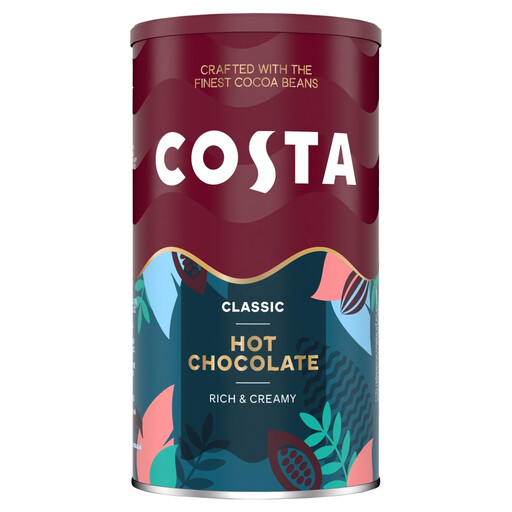 No image available
A milk-prepared option for someone who likes choosing the liquid for their mug; the listed directions also allow a preferred plant-based alternative. Follow the pack’s serving directions and check its current allergen information for the recipient.
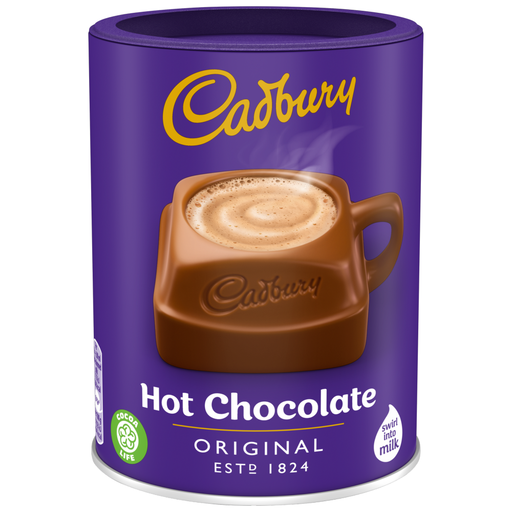 No image available
A traditional hot-milk powder for someone happy to heat milk. The product directions specify three teaspoons with hot milk, and the listed precautionary statement says it may contain milk; check the pack before gifting to someone with an allergy.
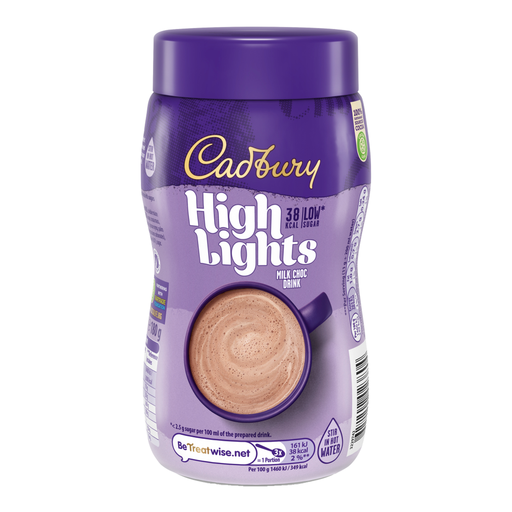 No image available
A hot-water drink option for someone who prefers kettle preparation. It contains milk ingredients, so water-mix directions do not make it a milk-free choice; use the pack directions for the powder-to-water amount.
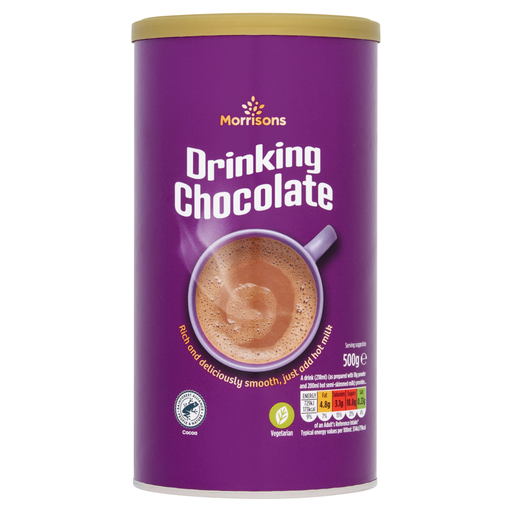 No image available
An own-label drinking chocolate for a recipient who prefers a hot-milk mug. Follow the pack for the powder and milk quantities, and check its current ingredient and allergen information before serving.
Choose drinking chocolate if the recipient enjoys making a hot-milk mug; choose a water-mix instant powder if kettle preparation better suits their routine. The Cadbury and Galaxy products listed by Sainsbury’s use hot milk, while Options Belgian Chocolate has hot-water directions. Check the exact pack before deciding.
Not on preparation method alone: Options Belgian Chocolate contains milk ingredients despite being mixed with hot water. For someone with a milk allergy, check the current ingredients and allergen statement of the specific product before gifting or serving it.
Only if the stated servings use a comparable amount of powder and the same preparation liquid. Asda lists Options at 40 kcal for 11 g powder in hot water; Sainsbury’s Galaxy serving figure is based on powder plus 200 ml semi-skimmed milk.
Follow the storage and after-opening instructions on the product you buy. Marks & Spencer directs customers to keep its listed regular and instant products in a cool, dry place and consume them within four weeks of opening; that four-week instruction should not be assumed for other products.
Read the ingredient list and allergen information on the actual pack against the recipient’s requirements before gifting or serving it. Tesco cautions that formulations and allergen information can change, so an older online listing should not replace that check.