Breastfeeding parents wanting an evening drink
Hot chocolate is an adult drink to consider alongside other sources of caffeine. The NHS advises people who consume caffeine while breastfeeding to try not to exceed 300mg a day in total.


Organic hot chocolate can be a drink for the adult awake during a night feed, but it is not a baby feed: NHS guidance says not to add chocolate powder to a baby’s bottle or trainer cup. For an adult drink, choose a format that fits your milk preference and preparation routine, then check the exact pack for allergens and sugar. If you are breastfeeding, remember that chocolate contains caffeine and consider it alongside your other sources of caffeine during the day.
Hot chocolate is an adult drink to consider alongside other sources of caffeine. The NHS advises people who consume caffeine while breastfeeding to try not to exceed 300mg a day in total.
A dairy-free recipe may fit your milk preference, but check the exact pack for other allergen warnings. Booja-Booja, for example, says its hot chocolate is unsuitable for people with several specified tree-nut allergies.
Hot chocolate is not an infant night feed. NHS guidance says to continue breast milk or first infant formula until at least age one and not to add chocolate powder to a bottle or trainer cup.
Establish who will drink it, then compare preparation directions and the exact product label rather than treating all organic hot chocolates as interchangeable.
| Priority | What to check | Your needs |
|---|---|---|
| Who drinks it | Keep hot chocolate separate from an infant feed. The NHS says not to add chocolate powder to a baby’s bottle or trainer cup. | If the drink is for the baby, I need breast milk or first infant formula instead of hot chocolate, in line with NHS guidance for babies under one. |
| Preparation | Read whether the product calls for hot milk or can be made with water. Ocado gives hot-milk directions for Green & Black’s; Sweet Revolution describes its instant blend as water-preparable. | I want to know whether I can make the adult drink with hot water during a wake-up or need to heat milk. |
| Allergens | Check ingredients and precautionary statements on the exact pack. Booja-Booja warns against use by people with specified tree-nut allergies; Ocado lists a possible milk presence for Green & Black’s. | For a dairy-free drink or a diagnosed allergy, I need the complete allergen declaration, not just the word ‘organic’. |
| Sugar | Compare like-for-like nutrition figures and follow the stated preparation. Ocado lists 23g sugars for a prepared 275g serving of Green & Black’s made according to its directions. | I want to compare the drink I would actually make, including the milk or other liquid used. |
| Caffeine | Account for chocolate alongside tea, coffee and other caffeine sources. The NHS advises people who consume caffeine while breastfeeding to try not to exceed 300mg a day in total. | If I am breastfeeding, I need to consider the drink as part of my whole day’s caffeine intake, rather than assume organic cocoa is caffeine-free. |
| Organic claim | Check the current organic labelling and certification information. The Department for Environment, Food & Rural Affairs says an organic food claim depends on production rules, the required proportion of organic agricultural ingredients and approved control-body certification. | Organic production matters to me, but I will assess sugar and allergens separately. |
Hot chocolate is an adult drink, not a substitute for an infant feed. NHS guidance specifically says not to add chocolate powder to a baby’s bottle or trainer cup.
Keep the adult drink separate. For a baby under one, follow NHS guidance on breast milk or first infant formula.
Organic labelling concerns how a product is produced and certified; it does not establish its sugar content, caffeine content or allergen suitability.
Read the current nutrition panel, ingredients and allergen declaration. If breastfeeding, include chocolate when considering caffeine from the whole day.
Other allergens can still matter. Booja-Booja says its dairy-free hot chocolate is unsuitable for consumers with almond, hazelnut, pecan, cashew or pistachio nut allergies.
For an allergy, check the declaration on the exact pack, including precautionary warnings, rather than relying on a product filter.
Daylesford’s directions call for stirring its flakes into hot milk, whereas Sweet Revolution describes an instant blend that can be made with hot water.
If you plan to use water during night wake-ups, choose a product whose directions explicitly allow it.
Ocado lists an organic hot chocolate prepared by stirring granules into hot semi-skimmed milk.
Booja-Booja describes its organic hot chocolate as dairy-free and suitable for mixing with a chosen type of milk.
An organic dark-chocolate-flake option for adults intending to make the drink with hot milk.
Sweet Revolution describes an organic instant blend that can be prepared with hot water.
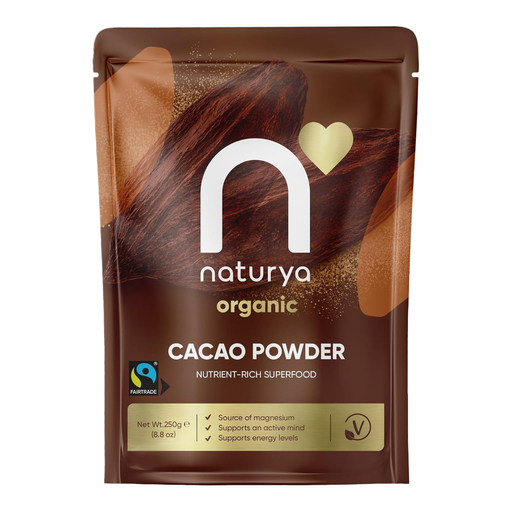
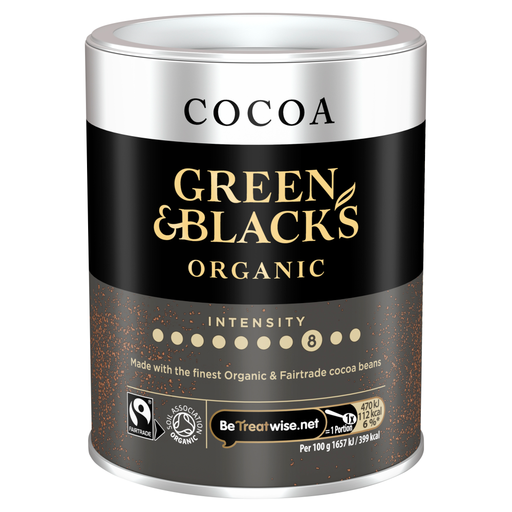
These are cacao and cocoa powders listed for use in an adult hot chocolate, rather than ready-mixed hot-chocolate drinks. Check how you would prepare each one before choosing it for a night-time routine.
 No image available
For an adult who wants cacao powder to use in a hot chocolate, rather than a ready-mixed blend. Check the pack for preparation directions that fit your preferred drink.
The listing notes naturally occurring caffeine and advises consulting a doctor before use while breastfeeding. It also warns that the packaging facility may handle nuts and seeds; check the current allergen declaration if relevant.
 No image available
For an adult making hot chocolate from cocoa powder rather than using a ready-mixed blend. Check the current pack for preparation directions and nutrition information for the drink you plan to make.
The listing carries a ‘may contain milk’ warning, which matters if you need to avoid milk because of an allergy.
No. NHS guidance says to continue breast milk or first infant formula until at least age one and specifically says not to add chocolate powder to a baby’s bottle or trainer cup.
It can be an adult drink, but account for its caffeine alongside other foods and drinks. The NHS says chocolate contains caffeine and advises breastfeeding people who consume caffeine to try not to exceed 300mg a day in total.
An organic label does not establish either. Check the nutrition panel and allergen declaration for the exact product: Ocado lists 23g sugars for a prepared 275g serving of Green & Black’s hot chocolate and warns that it may contain milk.
Check the current organic labelling and certification information as well as the ingredients. The Department for Environment, Food & Rural Affairs says an organic food claim requires compliance with organic-production rules, at least 95% organic agricultural ingredients and certification of the product and suppliers by an approved organic control body.
Not necessarily. Read the exact pack’s allergen declaration: Booja-Booja describes its hot chocolate as dairy-free but says it is unsuitable for consumers with almond, hazelnut, pecan, cashew or pistachio nut allergies.