Someone who wants straightforward preparation
An instant powder designed for hot water avoids the extra step of heating milk. Check the jar’s directions: drinking chocolate intended for hot milk is not necessarily an add-water mix.


Choose an instant jar if making afternoon tea with hot water, without heating milk, matters most; choose drinking chocolate if hot milk is practical and suits the person being served. A lower-calorie jar is a different choice, not an automatic improvement: British Nutrition Foundation guidance notes that milky drinks can add energy and nutrients for older adults with poor appetites. In every case, compare the prepared serving and check the current pack for milk ingredients and other allergens.
The useful distinction is how the drink is made and what the person wants from it, rather than the age on its own.
An instant powder designed for hot water avoids the extra step of heating milk. Check the jar’s directions: drinking chocolate intended for hot milk is not necessarily an add-water mix.
A milk-based drink may be worth considering when additional energy and nutrients are appropriate. British Nutrition Foundation guidance discusses milky drinks, including hot chocolate, for older adults with poor appetites. If weight loss or swallowing is a concern, seek individual healthcare advice.
Compare the energy and sugars for the serving as prepared, along with its ingredients. A product described as light does not settle whether it suits a particular dietary requirement or allergy.
Start with the liquid required and the serving you will actually make. Then read the nutrition and allergen information for that preparation, rather than comparing jar sizes.
| Priority | What to check | Your needs |
|---|---|---|
| Preparation | Read whether the powder is intended for hot water or hot milk. Check the amount of powder and liquid in the directions. | I want to make afternoon tea without heating milk, so an add-water instant jar fits the routine. |
| Prepared serving | Compare energy and sugars on the same prepared-serving basis. Sainsbury’s lists 17 g sugars for a Cadbury Instant serving made with water and 23 g for a Cadbury Drinking Chocolate serving made with hot milk; the preparations differ. | If I am comparing drinks, I need the figures for what will be in the cup, including any milk I add. |
| Milk and allergens | Read the current pack’s ingredients and allergen statements. Sainsbury’s lists milk-derived ingredients in Cadbury Instant and a “may contain milk” statement for Cadbury Drinking Chocolate. | Milk ingredients or cross-contact matter for the person I am serving, so I cannot judge by the word “chocolate” alone. |
| Role in the day’s drinks | Consider whether the aim is an occasional lower-calorie drink or a milk-based drink. NHS guidance says drinks count towards fluid intake and advises against having high-sugar drinks too often; British Nutrition Foundation guidance discusses milky drinks for older adults with poor appetites. | I want a drink that fits the person’s appetite and usual drinks, rather than assuming that a light label or a richer recipe is right for everyone. |
An instant mix intended for water and a drinking chocolate intended for milk produce servings with different preparation and nutrition. Sainsbury’s directions specify water for Cadbury Instant and hot milk for Cadbury Drinking Chocolate.
Check the directions and the nutrition panel for the drink as prepared before choosing or serving it.
A lower-calorie drink may not fit a goal of adding energy to someone’s usual intake. British Nutrition Foundation guidance discusses milky drinks for older adults with poor appetites.
Use the person’s circumstances to guide the choice. Seek individual healthcare advice if poor appetite comes with unintentional weight loss or swallowing difficulty.
Milk ingredients can appear in an add-water mix, while another product may carry a “may contain milk” warning. These are different statements and both matter when avoiding an allergen.
Read the physical jar’s ingredients and allergen statements each time you buy, rather than relying on an older pack or an online picture.
Hot drinks count towards fluid intake, but NHS guidance also advises against having high-sugar drinks too often.
Offer hot chocolate as an afternoon-tea choice alongside water and other drinks suitable for the person.
These ranges illustrate different preparation choices; check the particular jar rather than assuming that every product under a brand has the same ingredients or serving values.
Cadbury offers both add-water instant hot chocolate and drinking chocolate prepared with hot milk in the Sainsbury’s listings.
Sainsbury’s lists a Galaxy Instant Hot Chocolate Jar 370 g among its hot-chocolate products.
Tesco lists several Options 220 g flavours in its reduced-sugar and low-calorie hot-chocolate category.
Marks & Spencer lists instant hot chocolate, drinking chocolate, a low-calorie instant product and chocolate flakes.
These jars and chocolate drinks include products to consider for hot-water preparation and for drinks made with milk. Check each pack’s method, prepared-serving information and allergens against the person’s needs.
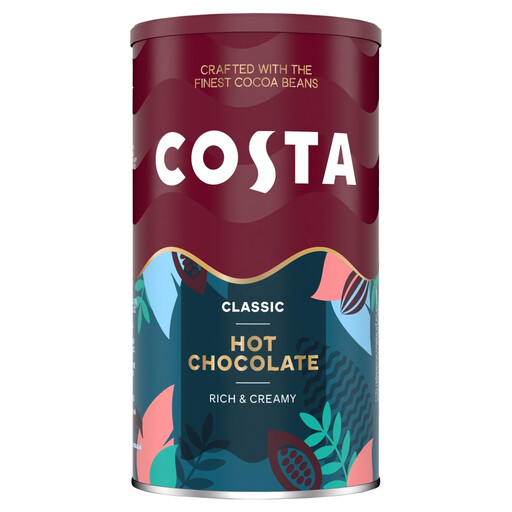 No image available
Consider this for an afternoon drink made with milk or a plant-based alternative. When comparing sugars and energy, account for the liquid added to the powder and check the current pack for allergens.
 No image available
This is a hot-milk preparation choice when milk is available and suitable for the person being served. Check the 500 g pack’s prepared-serving figures and “may contain milk” statement; it is not the add-water route.
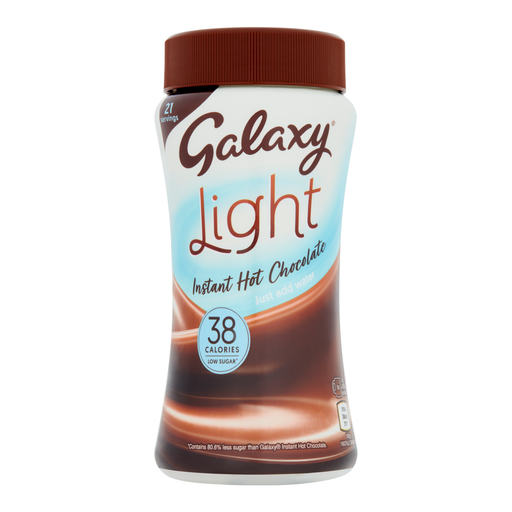 No image available
Consider this when hot-water preparation is preferred and a light-labelled drink is of interest. Check the prepared-serving nutrition before making a calorie comparison, and read the pack for milk, soya and barley allergens.
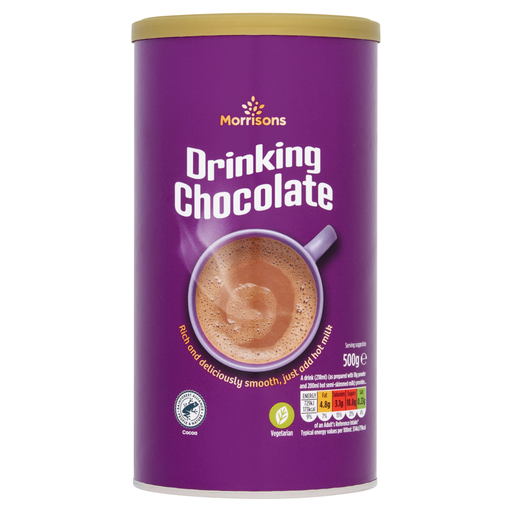 No image available
This is another choice for afternoon tea prepared with hot milk. Before comparing its nutrition with another jar, check the serving quantity and whether the pack’s figures describe powder alone or the finished drink; read its allergen statement too.
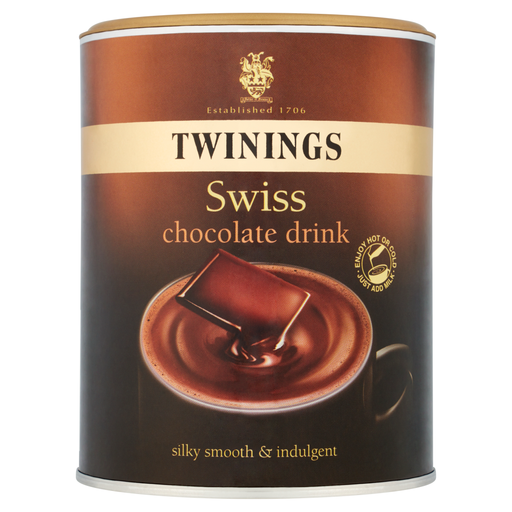 No image available
Check the physical pack before choosing this for hot afternoon tea: its product information gives conflicting hot and chilled preparation descriptions. Its milk-allergen statements also conflict, so do not rely on the listing when milk avoidance matters.
Choose an instant jar designed for hot water when simple preparation matters most; choose drinking chocolate when heating milk is practical and milk suits the person being served. Sainsbury’s directions specify hot water for its Cadbury Instant Jar 300 g and hot milk for its Cadbury Drinking Chocolate 250 g.
Hot drinks can count towards fluid intake, according to British Nutrition Foundation guidance for older adults. NHS guidance recommends aiming for six to eight cups or glasses of fluid a day as a general guide and advises against having high-sugar drinks too often.
No. It may fit a deliberate choice to reduce calories, but British Nutrition Foundation guidance discusses energy- and nutrient-providing milky drinks for older adults with poor appetites. Seek individual healthcare advice if there is unintentional weight loss or difficulty swallowing.
Read the current physical pack’s ingredients and allergen statements before serving it. Sainsbury’s lists whey and skimmed milk powder in Cadbury Instant, while its Cadbury Drinking Chocolate listing states that the product may contain milk; a different jar needs its own check.
Follow the storage instructions on the particular jar. Marks & Spencer says to consume its regular and low-calorie instant hot chocolates within four weeks of opening; that instruction should not be assumed for other products.