Parents looking for a cocoa-led cup
Dark drinking chocolate offers a stated cocoa content on some packs, while cocoa powder lets you decide what to add. Neither format guarantees a particular sweetness in the finished mug.


For a more cocoa-led cup, compare dark drinking chocolate with cocoa powder you can mix to taste; choose an instant mix when a quick, hot-water preparation matters more. A dark label does not establish allergen suitability or tell you how sweet the finished drink will be. If you are breastfeeding, count chocolate alongside other caffeine sources: the NHS advises trying not to have more than 300mg of caffeine a day.
The useful distinction is between controlling the flavour yourself and making a cup quickly, while checking ingredients that matter to your household.
Dark drinking chocolate offers a stated cocoa content on some packs, while cocoa powder lets you decide what to add. Neither format guarantees a particular sweetness in the finished mug.
An add-water instant mix can fit a short break. Check the stated powder quantity and preparation method so the drink you make matches the serving information on the pack.
The NHS identifies chocolate as a source of caffeine during breastfeeding. For allergies, check the current label of the exact product rather than relying on words such as “dark” or on a previous purchase.
Start with the flavour and preparation you want, then compare labels on the same preparation basis and check ingredients before buying.
| Priority | What to check | Your needs |
|---|---|---|
| Cocoa flavour | Look for a stated cocoa-solids percentage where available. Check sugars per 100g, then consider any sugar or other ingredients you will add; a dark name alone does not describe the finished drink. | I would like a more cocoa-led cup, but I do not want to assume that every dark-labelled product will taste less sweet. |
| Preparation | Check whether the instructions call for hot water or heated milk and how much powder to use. Sainsbury's lists 11g in 200ml hot water for Options Instant Belgian Hot Chocolate Drink. | On a short break, I may prefer a measured, add-water mix; when there is time to heat milk, drinking chocolate or cocoa powder may fit. |
| Caffeine | Include chocolate when considering caffeine from drinks and food. The NHS advises breastfeeding parents to try not to have more than 300mg of caffeine a day. | If I am breastfeeding, I need to consider a chocolate drink alongside coffee, tea and other caffeine sources, not treat it as caffeine-free. |
| Ingredients | Read the current ingredients and allergen statement for the exact pack. Marks & Spencer says its 72% Dark Drinking Chocolate is not suitable for people with a milk allergy. | Where an ingredient or allergen matters in my household, a flavour name or dark appearance is not enough to make the choice. |
| Serving basis | Check whether nutrition figures describe powder, a drink made with water or a drink made with milk. Include any milk, plant drink or toppings you use when considering the finished serving. | I want to compare the mugs I would actually make, rather than treating figures for different preparation methods as equivalent. |
Marks & Spencer says its 72% Dark Drinking Chocolate is not suitable for people with a milk allergy, despite its dark-chocolate name.
Check the ingredients and allergen statement on the exact pack you intend to use.
Chocolate contributes caffeine. The NHS advises breastfeeding parents to try not to have more than 300mg of caffeine a day from their total intake.
Consider chocolate alongside other caffeine sources, and ask a health visitor, midwife or GP if you need advice for your circumstances.
A figure for powder mixed with water does not describe the same finished drink as drinking chocolate made with milk.
Check each pack's serving instructions and account for what you actually add to the mug.
These ranges illustrate different formats; choose by the details of an individual product rather than assuming one recipe represents a whole brand.
Cadbury offers hot-chocolate products and Bournville Cocoa, which Cadbury describes as suitable for making a drink with hot milk.
UK supermarket listings include Galaxy hot-chocolate products, including a vegan-labelled instant option listed by Tesco.
Options includes an instant Belgian hot chocolate listed by Sainsbury's with instructions for mixing 11g of powder into 200ml of hot water.
M&S lists dark drinking chocolate and instant hot chocolate among its formats.
Sainsbury's lists instant hot chocolate, cocoa and branded products in its hot-chocolate range.
Tesco lists hot chocolate and cocoa, including Cadbury cocoa, Galaxy vegan-labelled instant hot chocolate and Options products.
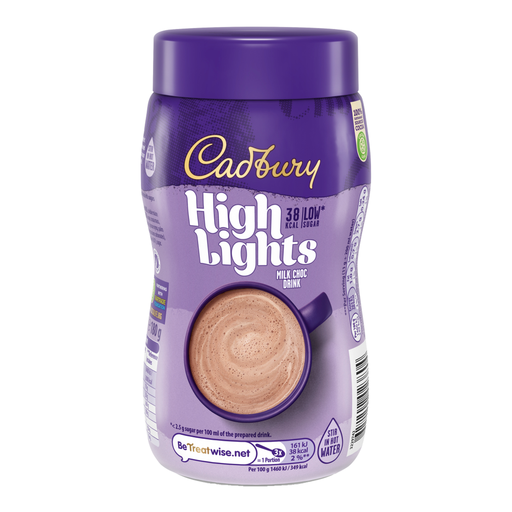
This instant milk-chocolate drink is an option to consider when quick preparation matters; check the pack if a distinctly dark cocoa flavour is your priority.
 No image available
Consider this milk-chocolate drink if you want an instant option for short breaks. It is not presented as a dark drinking chocolate; check the current pack for preparation instructions, ingredients and allergens, particularly if milk avoidance matters.
Hot chocolate can be considered as part of your overall caffeine intake. The NHS says chocolate contains caffeine and advises breastfeeding parents to try not to have more than 300mg of caffeine a day; account for other caffeine sources too.
Here it means a preference for a darker, more cocoa-led or less-sweet-tasting cup, not a formal product category. You could compare dark drinking chocolate with cocoa powder that lets you choose what to add; M&S states that its 72% Dark Drinking Chocolate contains at least 72% cocoa solids.
Choose an add-water instant mix when quick preparation is the priority, drinking chocolate if its milk-based preparation suits you, or cocoa powder when you want to decide what goes into the mug. Follow the method on the exact pack when comparing servings.
No. Marks & Spencer states that its 72% Dark Drinking Chocolate is not suitable for people with a milk allergy. Check the current ingredients and allergen statement for the exact product rather than relying on its flavour name.