Buyers serving individual cups
For counter sales, guest trays or staff-assisted preparation, compare portioned sachets and read the directions for each flavour. Sainsbury’s describes an Options 11 g sachet that is mixed with hot water.


For routine counter sales or refreshment service, start with individual hot-chocolate sachets if fixed portions and simple preparation matter; consider a larger pack when staff can measure each serving. Add chocolate flakes or premium sachets only where their preparation method fits the service. The pyramid-shaped chocolate-chip product described by Concept Incentives is made for hot milk and has a 5,000-unit minimum order, so check what a supplier means by “pyramid” before treating it as an alternative to a sachet or an infusing tea bag.
For counter sales, guest trays or staff-assisted preparation, compare portioned sachets and read the directions for each flavour. Sainsbury’s describes an Options 11 g sachet that is mixed with hot water.
If staff can manage the preparation required by the chosen product, consider a separate chocolate-flake or single-serve drinking-chocolate option. Hotel Chocolat lists flake-based sachets, while M&S offers dark drinking-chocolate flakes; neither format should be assumed to prepare like an instant water-mix sachet.
If the shop’s drinks service forms part of regulated adult social care, agree choices and serving methods with the responsible care team. The Care Quality Commission’s Regulation 14 guidance requires providers to account for people’s nutrition and hydration needs and preferences where those duties apply.
Choose the serving format and preparation method first, then check the exact pack and how the drink will be offered to customers or residents.
| Priority | What to check | Your needs |
|---|---|---|
| Portions and preparation | Check whether the product is a single sachet or a pack that needs measuring. Follow its stated powder quantity, liquid and mixing directions. | For a counter or assisted service, I want staff to prepare each cup consistently without having to measure powder. |
| Pyramid-pack meaning | Ask whether “pyramid” describes an infusing bag or its packaging. Concept Incentives describes chocolate chips dissolved in hot milk and specifies a 5,000-unit minimum order. | I need an everyday serving format, not a promotional pack whose order size and preparation method may not fit the shop. |
| Ingredients and allergens | Read the exact product label and account for any milk or other ingredients added during preparation. M&S states that its 70% dark hot-chocolate flakes are unsuitable for people with milk, nut or peanut allergy. | Before stocking or serving a variant, I need to be able to give accurate allergen information; “dark” or “premium” cannot answer that question. |
| Range and equipment | Confirm whether each product calls for hot water, hot milk or particular equipment, and whether staff can follow those directions during service. | I may want a chocolate-flake choice alongside a simpler drink, but only if the shop can prepare both as directed. |
| Drinks provided as part of care | If provision falls within a regulated care provider’s responsibilities, check assessed needs and preferences with the care team. The Care Quality Commission sets out these requirements in its Regulation 14 guidance. | Where drinks are part of someone’s care, I cannot assume one hot-chocolate product or serving method suits every resident. |
The product described by Concept Incentives contains chocolate chips for hot milk, rather than a hot-chocolate infusion bag. Its minimum order is 5,000 units.
Ask the supplier what is inside the pack and how it is prepared. For regular cups, compare sachets and larger packs on their own directions.
M&S states that its 70% dark hot-chocolate flakes are unsuitable for people with milk, nut or peanut allergy. The description of a drink does not establish its allergen suitability.
Check the label of each exact variant and include ingredients added when making the drink.
Where food and drink provision is part of regulated care, the Care Quality Commission’s Regulation 14 guidance requires providers to meet individual nutrition and hydration needs and take preferences into account.
Agree the range and serving method with the responsible care and catering team when those duties apply.
Ingredients can change, so an earlier listing may not describe the pack being served. M&S advises customers to read the product label.
Check the delivered variant’s ingredients, allergens, date marking and preparation directions before offering it.
These examples show different formats to compare; a brand name alone does not establish how a particular variant is prepared or whether it suits an individual.
A portioned instant-drink example: Sainsbury’s describes the Options Salted Caramel Belgian Hot Chocolate 11 g sachet as mixed with hot water.
Tesco Groceries lists a Cadbury Instant Stickpack 28 g in its hot-chocolate-sachet category.
Hotel Chocolat describes its hot-chocolate range as made with chocolate flakes and lists single-serve sachets alongside pouches and Velvetiser-oriented products.
M&S lists both instant hot chocolate and Collection Belgian Dark Hot Chocolate Flakes.
These are larger-pack hot-chocolate and drinking-chocolate options for a shop that can measure servings. They are not individual sachets or infusing pyramid bags; check each pack’s preparation directions and allergen information before service.
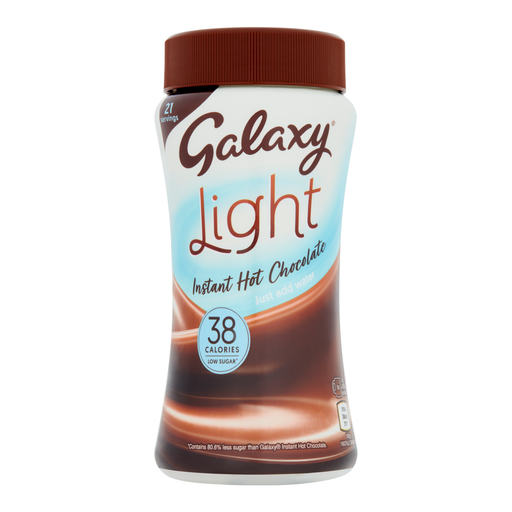 No image available
An instant hot-chocolate pack to consider when staff can measure each cup. Check the delivered pack for its serving directions and allergens.
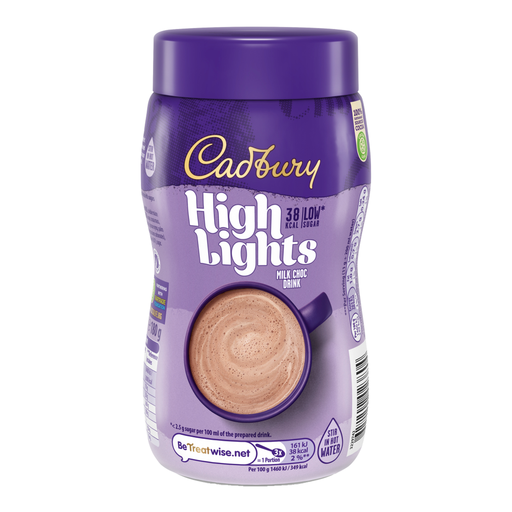 No image available
A larger-pack drink option for measured servings rather than fixed sachet portions. Check the pack’s powder and liquid quantities before setting a staff preparation routine.
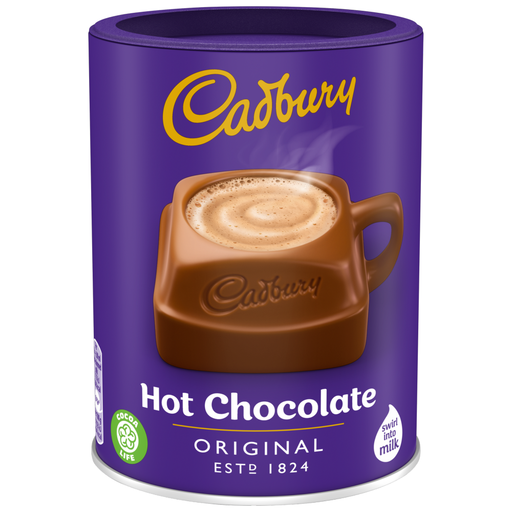 No image available
A 250 g drinking-chocolate option for staff-prepared cups. Confirm the preparation liquid and quantities on the pack before choosing it for the shop’s serving routine.
 No image available
A 500 g pack to consider for repeated, staff-measured servings. Check the directions for each cup and the current allergen statement before serving.
Not in the Concept Incentives example: it describes a pyramid-shaped pack of chocolate chips dissolved in hot milk, with a 5,000-unit minimum order. Ask what the pack contains and how it is prepared rather than assuming it is an infusing tea bag.
A sachet suits a service that needs a fixed powder portion without scooping from a larger pack. Sainsbury’s directions for the Options 11 g Salted Caramel sachet specify hot water and stirring; check the chosen flavour’s current label before serving it.
Check the exact product and the drink as served, including ingredients added during preparation. GOV.UK’s guidance says retail and catering food businesses must provide allergen information for prepacked and non-prepacked food and drink; how that information is given depends on how the product is sold or served.
No. Where the drinks service forms part of a regulated adult social-care provider’s responsibilities, the Care Quality Commission’s Regulation 14 guidance requires the provider to meet people’s nutrition and hydration needs and take their preferences into account. Being a shop for retired customers does not, by itself, establish that this care regulation applies.
Do not assume so. M&S states that its Collection 70% dark hot-chocolate flakes are unsuitable for people with milk, nut or peanut allergy. Use the current label of the exact variant when assessing it.