Bonfire Night hosts serving a group
Start with the finished-drink target of about 3.4 litres. Compare the pack’s stated serving volume and count with your cup size, then plan how you will heat and serve the drink.


Plan for about 3.4 litres of prepared hot chocolate, not a particular weight of powder: the number of packs depends on the recipe’s serving volume and the cups you will use. Milk-mixed drinking chocolate suits a group when you can heat and serve enough milk; a water-ready product avoids that task. Check the current pack’s serving instructions and allergen statements before choosing, especially if guests have dietary requirements.
The right pack depends on how many cups you plan to pour, what you can heat at the event and who will drink it.
Start with the finished-drink target of about 3.4 litres. Compare the pack’s stated serving volume and count with your cup size, then plan how you will heat and serve the drink.
A water-ready product labelled vegan may fit the preparation plan. Check each guest’s requirements separately: Galaxy Vegan contains soya, may contain milk and is marked unsuitable for people with a milk allergy.
If a dark-chocolate flake drink appeals, compare its recipe and allergen statement before scaling it up. M&S Collection Belgian Dark Hot Chocolate Flakes state 70% cocoa solids for the dark chocolate, but pack weight alone cannot establish a six-pint yield.
Work out the cup size and total volume first, then compare recipes and guest requirements. A 200 ml cup would mean roughly 17 servings for a six-pint target; larger cups change the count.
| Priority | What to check | Your needs |
|---|---|---|
| Finished quantity | Find the prepared volume per serving and servings per pack. Multiply them, then compare the result with roughly 3.4 litres; powder weight alone does not give the answer. | I want enough for the cups I will actually use, without assuming that a large jar makes a large batch. |
| Preparation | Check whether the instructions call for hot milk or hot water, and whether your equipment can heat and serve the required amount. Cadbury’s drinking-chocolate instruction uses hot milk; Galaxy Vegan’s stated serving uses 200 ml hot water. | If heating milk for everyone is impractical, I would rather plan around a water-ready recipe. |
| Guest suitability | Read the current ingredients, allergens and precautionary statements for the exact product. Do not equate a vegan label with milk-allergy suitability: Galaxy Vegan may contain milk and is marked unsuitable for people with a milk allergy. | Guests’ dietary and allergy requirements need checking before I choose a drink for the group. |
| Chocolate style | Compare the stated cocoa or chocolate content for the exact product alongside its preparation instructions. For M&S Collection Belgian Dark Hot Chocolate Flakes, the stated 70% cocoa solids describe the dark chocolate, not the finished drink. | For a smaller round, I might choose flakes for the stated chocolate composition, but I would still check the recipe before making enough for everyone. |
A 250 g or 500 g pack does not, by itself, tell you how much hot chocolate it makes. Ocado’s Galaxy Vegan listing gives 10 servings per jar at 200 ml each; two jars therefore make 4 litres at that recipe.
Choose your cup size, then use the current pack’s serving count and prepared volume to calculate how many packs cover about 3.4 litres.
Asda’s Galaxy Vegan listing says it contains soya, may contain milk and is not suitable for people with a milk allergy, despite its vegan designation.
Ask guests about their requirements and check the exact pack’s ingredients and allergen warnings before serving.
Cadbury drinking chocolate is instructed to be mixed with hot milk, whereas Galaxy Vegan’s stated recipe uses hot water. Choosing between them changes what you need to bring and heat.
Plan the liquid and a suitable way to heat and serve the full batch before buying the powder.
Milk-mixed drinking chocolate also requires enough milk and equipment with suitable capacity.
The 250 g weight of M&S Collection Belgian Dark Hot Chocolate Flakes does not establish how many finished cups the pack makes. Its listing also identifies milk-allergy unsuitability.
Check the current preparation dose and serving yield before choosing flakes for the whole group; otherwise, plan them as a smaller round.
These examples illustrate different preparation formats and label checks; a brand name alone does not establish batch yield or guest suitability.
Cadbury Original Drinking Hot Chocolate is a milk-mixed option listed by Sainsbury’s in a 500 g pack.
Galaxy Vegan Hot Chocolate offers a water-based recipe with a stated serving count.
Tesco lists Options Belgian Choc among the products in its reduced-sugar and low-calorie hot-chocolate range.
Tesco lists a standard Instant Hot Chocolate 400 g and a Lighter Hot Chocolate 270 g in its range.
M&S lists both Instant Hot Chocolate and Collection Belgian Dark Hot Chocolate Flakes.
These products offer milk-mixed and hot-water preparation options for a Bonfire Night group. Compare their pack instructions with your six-pint target rather than treating pack size as finished-drink volume.
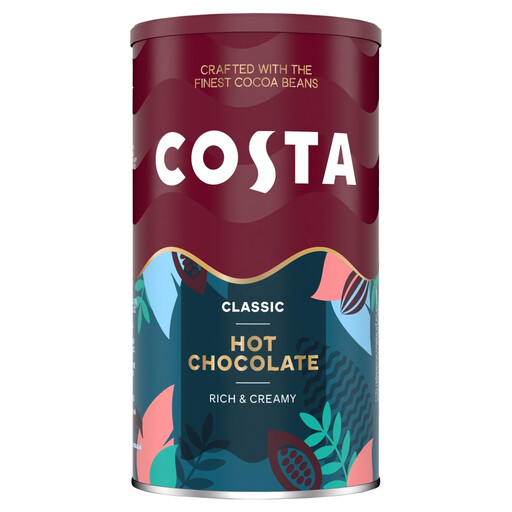 No image available
The stated 15 servings and 20 g serving size give you a starting point for counting cups. The product description states 36% cocoa and preparation with milk or a plant-based alternative.
Check the prepared volume per serving before relying on one tin for about 3.4 litres.
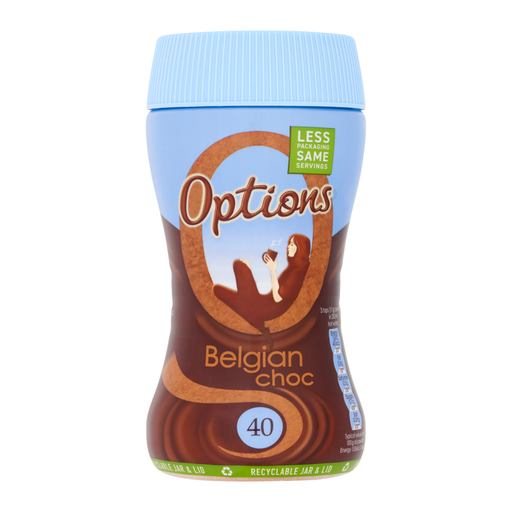 No image available
This hot-water preparation option avoids heating milk at the event. Its description states 21% cocoa and 7% Belgian chocolate.
Check the current pack for its serving dose and finished volume when planning the batch. The product contains milk and a source of phenylalanine; check its declaration against guests’ requirements.
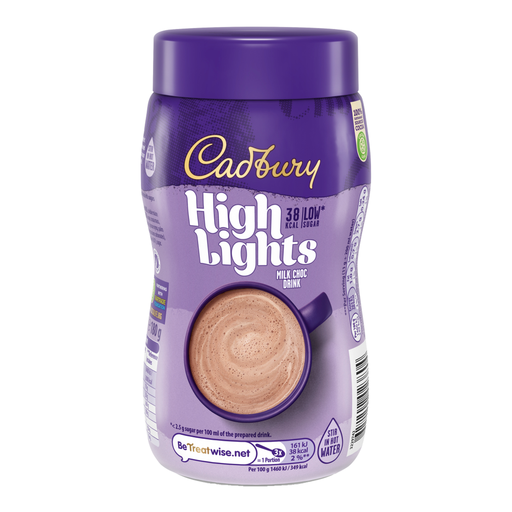 No image available
The stated preparation uses hot water, which may suit a setup without milk-heating equipment. The description lists 34% low-fat cocoa powder and 3.5% milk chocolate.
It contains milk. Check the current pack’s dose, finished serving volume and allergen statement before choosing it for the group.
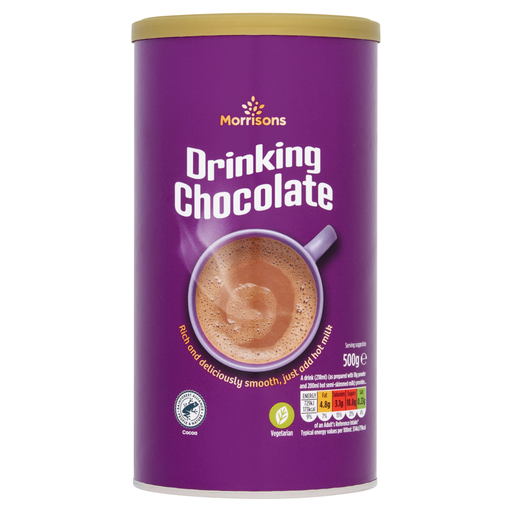 No image available
This is a hot-milk drinking chocolate for a host able to heat and serve milk. The description states 25% cocoa powder.
Allow for the milk as well as the powder, and check the pack’s dose and finished serving volume before calculating how many packs cover six pints.
 No image available
The stated instruction is to swirl three teaspoons into hot milk, so plan for milk and a way to heat it for the group.
Check the current label for the finished serving volume and pack yield before calculating a six-pint batch. The product carries a may-contain-milk warning.
Six UK pints is about 3.4 litres. That is roughly 17 cups at 200 ml each or 12 half-pint cups of about 284 ml. Use your actual cup size and the packet’s prepared-serving volume to calculate the number of packs.
Two 250 g jars cover a roughly 3.4-litre target at the stated recipe. Ocado lists 10 servings of 200 ml per jar, so two jars make 4 litres; one makes 2 litres. Check that this serving size fits the cups you intend to use.
Not necessarily. Asda states that Galaxy Vegan may contain milk and is not suitable for people with a milk allergy. Check the exact product’s current allergen statement against the guest’s requirements rather than relying on its vegan label.
The stated instruction for Cadbury drinking chocolate is to mix three teaspoons with hot milk. If you choose that recipe for the group, plan for enough milk and a suitable way to heat and serve it; check the pack for its serving volume.
Pack weight alone cannot answer that. For M&S Collection Belgian Dark Hot Chocolate Flakes, check the current preparation dose and number of servings, then calculate whether they cover about 3.4 litres. Check its allergy statement before serving it to guests.