What should you check before choosing?
Start with the hot liquid you can serve, then compare portion instructions and the ingredient information you will need at the stall.
Drinking-chocolate powder
Choose it when: You can supply hot milk and measure powder for each cup.
Allow for: Measuring portions and handling milk during service; a larger pack does not supply pre-portioned servings.
Hot-water instant chocolate
Choose it when: The chosen product specifies hot-water preparation and you want to work from a kettle or hot-water urn.
Allow for: Sachets make portions straightforward but leave individual wrappers to handle; hot-water preparation does not mean the ingredients are milk-free.
Chocolate flakes
Choose them when: A melted-chocolate-style drink is part of your menu and you can reliably prepare it with hot milk.
Allow for: Melting and stirring the flakes rather than treating them as an instant powder for water.
| Priority |
What to check |
Your needs |
| Serving method |
Read the exact pack instructions for hot water or hot milk. Sainsbury's describes its Options 11 g sachet as a hot-water product; Tesco's Cadbury drinking-chocolate instructions and Marks & Spencer's chocolate-flake instructions specify hot milk. |
If I have hot water but cannot serve milk, I need a product whose instructions actually call for water. |
| Portion control |
Check the stated measure per cup and how you will repeat it. Tesco's Cadbury 2 kg listing specifies three teaspoons with hot milk; the cited Options sachet supplies an individual 11 g portion. |
During a busy spell, I want a serving method that does not require guessing how much powder goes into each cup. |
| Ingredients and allergens |
Check the current pack, including any milk or soya ingredients and precautionary statements. Account for ingredients added during preparation, not just those in the powder. |
I need accurate information to answer a customer's ingredient or allergen question before serving them. |
| Drink style |
Compare the particular products, not just their format names. Marks & Spencer describes its Belgian milk hot-chocolate flakes as melting into hot milk and lists 45% cocoa solids; that figure alone does not establish how every customer will find the flavour. |
If I offer flakes as a distinct milk-based drink, I need to make their preparation workable at my stall. |
| Trading arrangements |
Ask the organiser and relevant local authority about the location and frequency of your food service. GOV.UK guidance for community and charity events says selling or supplying food may bring an activity within food-business rules; Food Standards Scotland distinguishes occasional activity from regular, organised provision. |
Before I advertise hot drinks, I want to know which registration and food-service arrangements apply to my stall. |
Joybuy hot-chocolate options
These options cover an instant hot-chocolate product and drinking-chocolate powders for a car boot sale stall. Choose by the preparation method and pack details of each product, rather than assuming all five can be served the same way.
 No image available
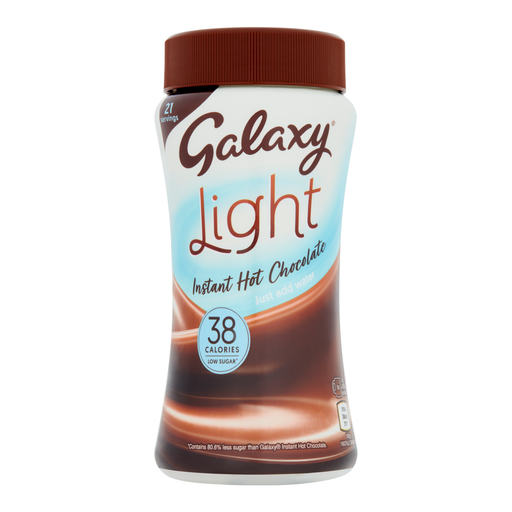
Galaxy Light Instant Hot Chocolate 210g
Consider this for a hot-water setup: the product instructions specify four heaped teaspoons, about 20 g, with 200 ml hot water. The listed ingredients include milk, soya and barley allergens; check the current pack when preparing information for customers.
View on Joybuy
 No image available
Cadbury Drinking Chocolate 500g
This 500 g powder is an option when you can serve hot milk and measure each cup. Its stated method is three teaspoons stirred into hot milk. Check the current ingredient and allergen statement, including the product's may-contain-milk warning.
View on Joybuy
 No image available
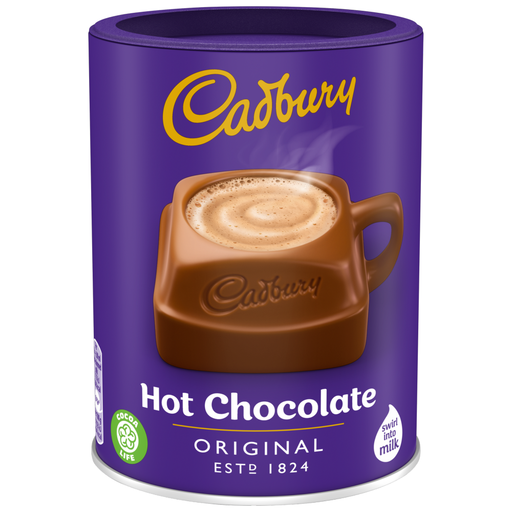
Cadbury's Drinking Chocolate 250 g
The 250 g pack is a smaller quantity to consider for milk-based service. Product information describes preparation with hot milk but gives differing serving measures; use the current pack instructions before setting a standard portion. Check its may-contain-milk statement too.
View on Joybuy
 No image available
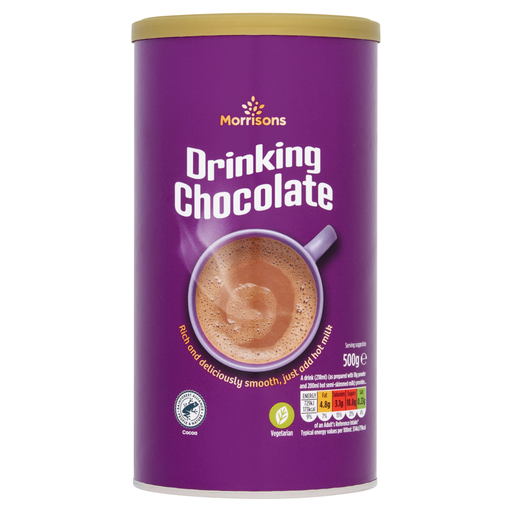
Morrisons Drinking Chocolate 500g
This 500 g powder is described for preparation with hot milk. Confirm the per-cup measure on the pack before planning servings, and include any milk you add when checking the ingredients and allergens of the finished drink.
View on Joybuy
 No image available
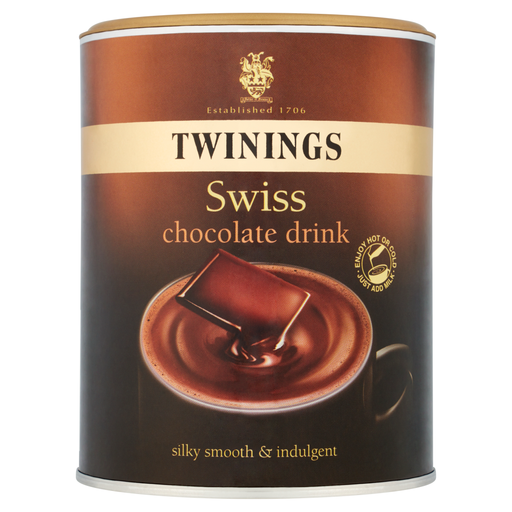
Twinings Swiss Chocolate Drink 350g
If you are considering this 350 g drink for hot service, check the current pack for its hot-drink method and per-cup measure: the product information also describes cold preparation. Check the pack's allergen statement before serving, as the available product descriptions conflict on milk.
View on Joybuy
Frequently asked questions
What does “pre-grated” mean when shopping for hot chocolate?
Look for hot-chocolate flakes or drinking-chocolate flakes. Marks & Spencer describes its Belgian milk hot-chocolate flakes as melting into hot milk; check the chosen product's instructions rather than treating flakes as an instant mix for water.
Can I make every hot-chocolate product with hot water?
No. Sainsbury's cited Options sachet is prepared with hot water, while Tesco's cited Cadbury drinking chocolate and Marks & Spencer's chocolate flakes specify hot milk. Follow the instructions on the exact pack you intend to serve.
Do I need to register to sell hot chocolate at a car boot sale?
Check with the relevant local authority: the answer depends on the nature and frequency of your activity. GOV.UK guidance for community and charity events says supplying food may make an activity a food business, while Food Standards Scotland says occasional service is unlikely to need registration but regular, organised provision may. If registration is required, the Food Standards Agency and Food Standards Scotland say to do it at least 28 days before food operations start.
What allergen information should I have when serving cups?
Keep the current packs and details of everything added to each drink so you can give accurate information about the cup you serve. For food businesses in Scotland, Food Standards Scotland says allergen information must be provided for non-prepacked food and drink. Check the requirements applicable to your stall with the relevant local authority.
Is a retailer product page enough to plan portions and ingredients?
Use the current physical pack to confirm the serving measure, preparation method and ingredient statement before trading. This matters particularly when a listing gives differing measures or allergen statements, and when you will add milk to the prepared drink.


